
Last updated November 16, 2026
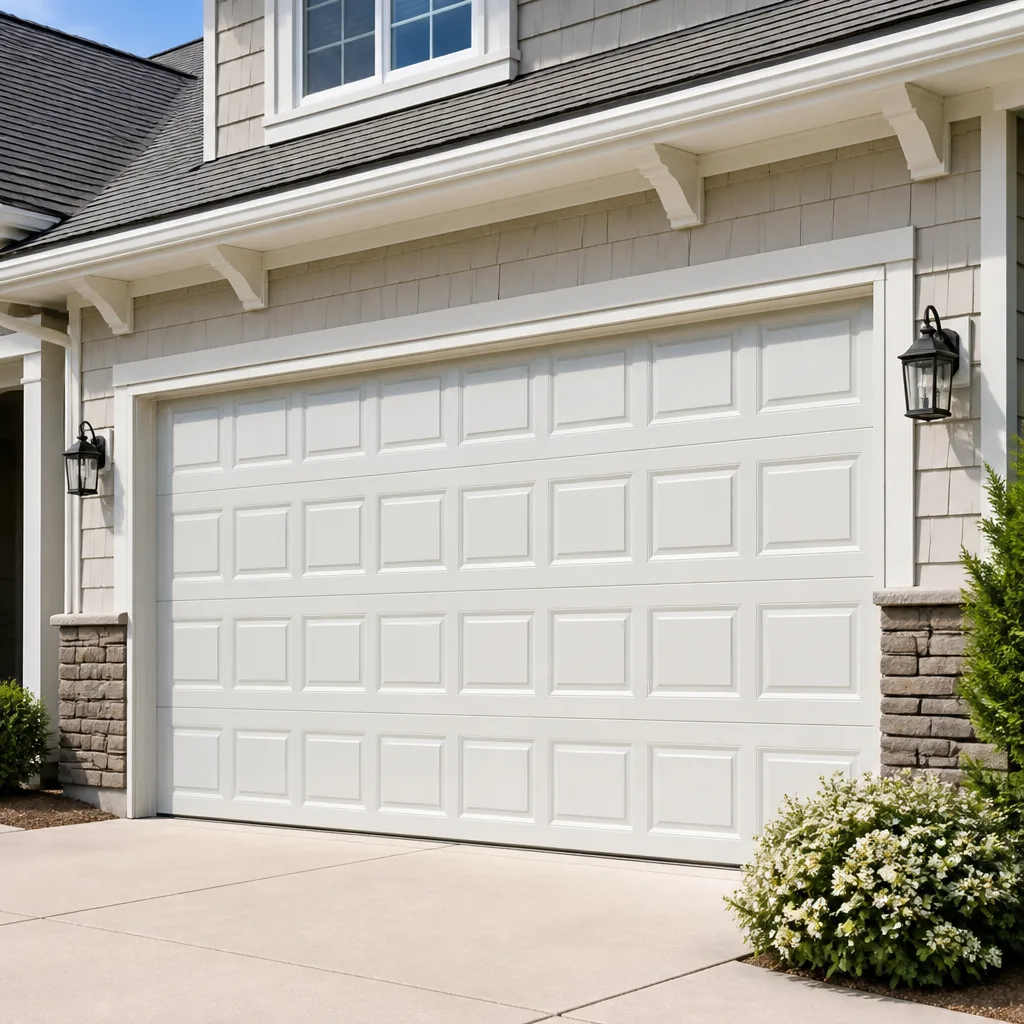 Raised-panel steel
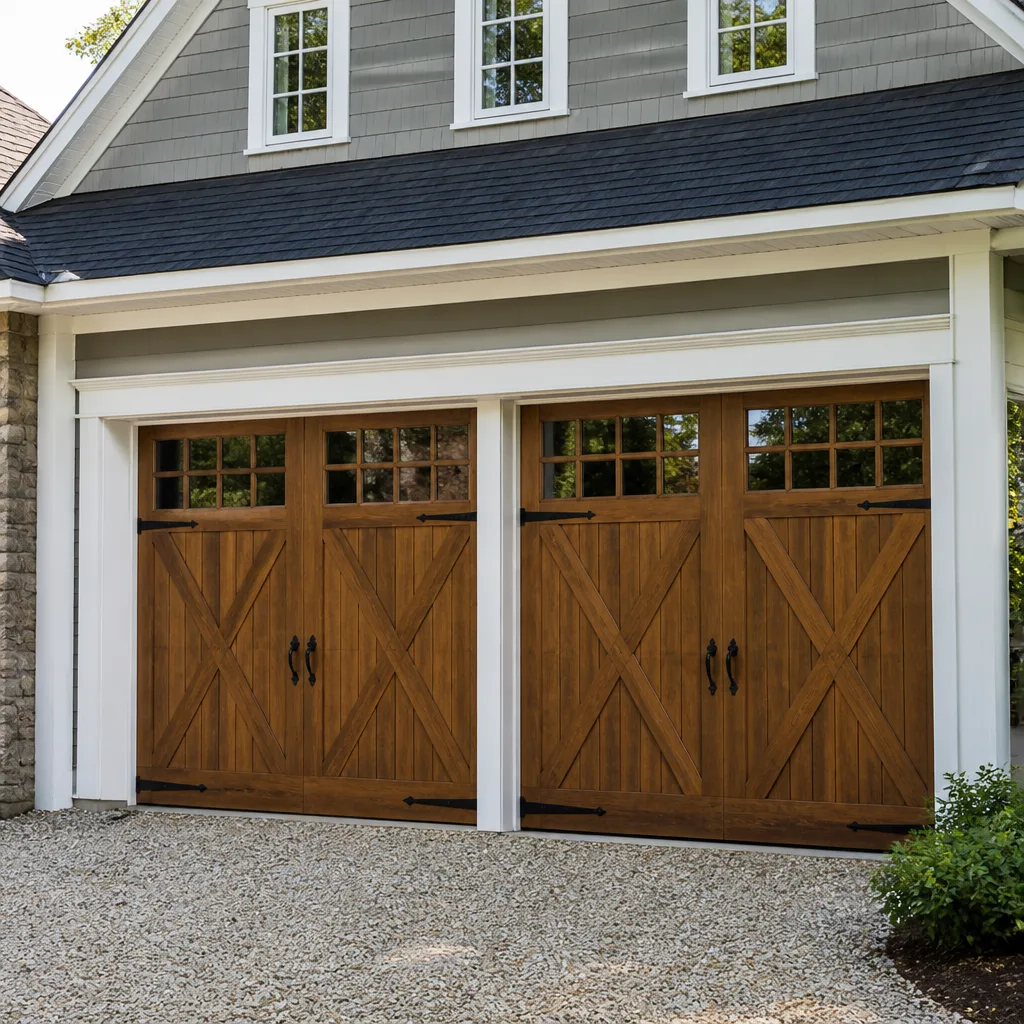 Carriage house
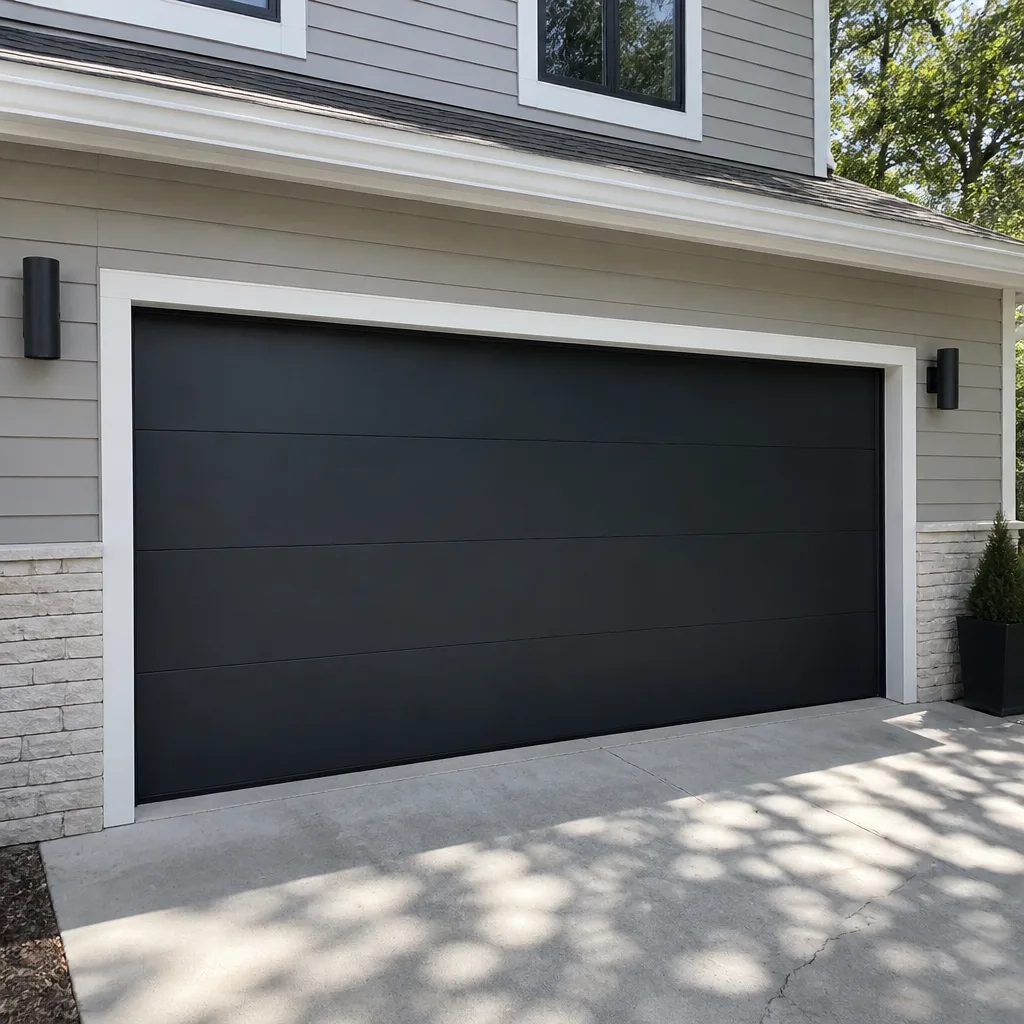 Modern flush
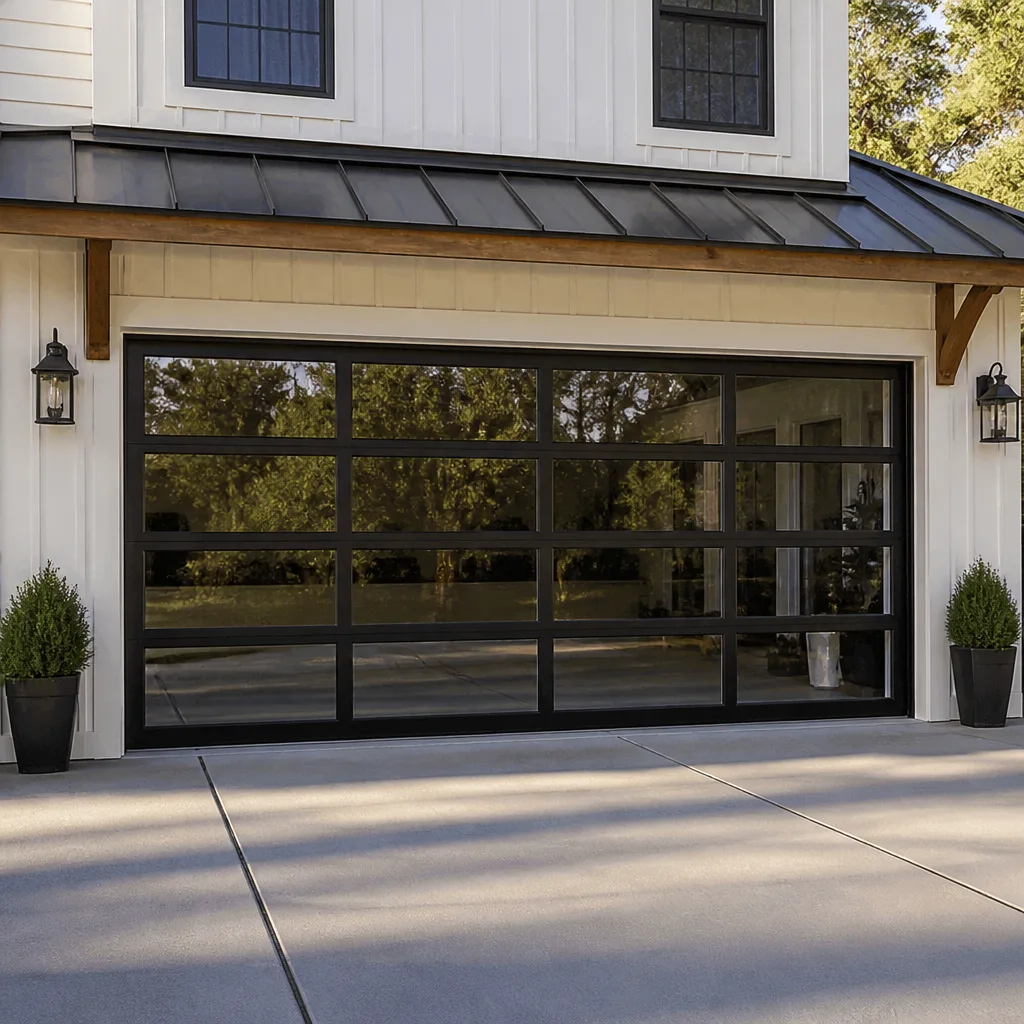 Full-view glass
 LiftMaster openers
 Chamberlain openers
Full 25-point door and opener safety check with every visit - springs, cables, rollers, tracks, and your LiftMaster or Chamberlain opener included
You get a price before we start. It does not change when the pro arrives.
Get your free estimateGarage Door Repair Troubleshooting in West Valley City: Common Problems and How to Fix Them
When a garage door stops working, most homeowners assume the worst: a dead opener, a failed motor, a bill for a whole new system. That’s almost never what’s happening. The door that “just stopped working” is usually suffering from one of three moving parts that wear out in a predictable sequence, and you can figure out which one in under two minutes without picking up a single tool. In this guide, we break garage door problems into five mechanical categories – springs, cables, tracks, the opener, and the safety sensors – so you can identify which subsystem is failing, understand what’s safe to check yourself, and know exactly when a West Valley City homeowner should stop and call a specialist instead of guessing.
Quick Answer
Most garage door failures in West Valley City come down to worn torsion or extension springs, a jumped or frayed cable, a bent track, or a sensor that’s out of alignment – and the symptom you notice (a door that won’t open, won’t close, or reverses halfway) tells you which subsystem to check first. A sensor realignment, manual release pull, or lubrication job is safe for most homeowners to handle, but springs and cables are under extreme tension and should only be replaced by a trained technician. When in doubt, isolate the category, stop pulling on the door, and get a free estimate before anything else is touched.
Styles & brands we work with
- Raised-panel steel
- Carriage house
- Modern flush
- Full-view glass
- LiftMaster openers
- Chamberlain openers
Table of Contents
- How garage doors actually fail: the five subsystems
- Symptom-to-subsystem diagnosis
- Why Utah’s temperature swings make doors act strange
- The “it works sometimes” problem
- Safe DIY checks vs. call-a-specialist work
- Springs and cables: the parts that actually hurt
- The one-page diagnostic checklist (ordered by likelihood)
- Common mistakes to avoid
How garage doors actually fail: the five subsystems
Garage doors aren’t one system. They’re five systems bolted together, and each one fails differently. When we walk into a West Valley City garage, the first question we ask ourselves isn’t “what’s broken?” – it’s “which subsystem is complaining?” That single reframe changes everything, because it tells you whether you’re looking at a five-minute adjustment or a job that needs a technician.
The five subsystems are:
- Springs. Torsion springs (mounted on a shaft above the door) or extension springs (running along the sides) counterbalance the weight of the door. They carry a heavy load and wear out first.
- Cables. Steel cables run from the springs to the bottom corners of the door. They transfer spring tension to the door. If a cable slips, jumps a drum, or frays, the whole balance changes.
- Tracks and rollers. The vertical and horizontal tracks guide the door. Rollers ride inside them. A bent track or a worn roller turns a smooth glide into a shudder, and eventually a stuck door.
- The opener. The motor and rail assembly that lift the door. Most failures here are worn drive gears, stripped sprockets, or a failing logic board.
- Safety sensors. The two small eyes near the floor of your door. If they’re misaligned or the lens is dirty, the opener thinks something’s in the way and refuses to close.
In our experience with West Valley City homes, spring fatigue is the single most common call. Cables and sensor alignment run close behind. Openers fail less often than people think – the opener usually takes the blame for a problem that lives in the springs or tracks.
Symptom-to-subsystem diagnosis
Here’s the fast way to narrow it down. Match your symptom to the subsystem, then check the safe items before calling. This isn’t a substitute for a technician’s inspection, but it will keep you from paying for an opener repair when all you need is a spring.
The door won’t move at all, but the opener hums
A humming opener with a silent door usually means the motor is running but the drive gear is stripped, or the door is stuck in the tracks. If the door feels heavy when you pull the manual release, suspect a broken spring. If the door slides freely by hand but the opener only hums, the opener’s drive gear is the likely culprit. Either way, this is a call.
The door moves a few inches and stops, or reverses
This is almost always sensor alignment or a bind in the tracks. Check the sensor lights first. If both eyes are lit solid, look down the tracks for a bent section or a roller that’s popped out.
The door opens but won’t close (or vice versa)
One-direction problems point straight at the sensors or the opener’s logic board. Clean the sensor lens, check that the two eyes face each other, and confirm nothing is hanging in the path. If that doesn’t fix it, the issue is likely electrical and needs a technician.
The door is loud, jerky, or vibrates hard
That’s a mechanical problem in the tracks, rollers, or hinges. Lubrication helps, but a door that shudders usually has a worn roller or a bent track section.
The door is uneven (one side higher than the other)
Cables. A slipping or jumped cable causes the door to tilt. Stop using the door and call – running a door on a bad cable puts the good cable and the springs under unbalanced load, and it can snap.
Why Utah’s temperature swings make doors act strange
West Valley City sits in the Salt Lake Valley, and the valley does something to a garage door that homeowners further east or on the coast never see: it swings the metal hard. Summer afternoons push the steel in your tracks, springs, and door panels into expansion. Winter mornings pull it back. That constant back-and-forth movement does two things.
First, it stresses the fasteners and hinges. Set screws on torsion shafts loosen. Hinge screws back out a little each season. Rollers ride a hair off-center in the tracks. None of these are failures by themselves, but they add up, and eventually a door that was quiet in June starts to rattle in January.
Second – and this is the part most homeowners miss – temperature change can mimic mechanical failure. A door that groans or sticks on a 20-degree morning and opens fine by 10 a.m. may not have a failing spring. The metal has simply contracted. Before you call for a spring replacement, notice the pattern. If the problem only shows up during cold snaps or heat waves, wait a day and re-test the door. If it consistently behaves better once the day warms up, the door is probably telling you it needs lubrication and a hardware tighten, not a new spring.
This valley cycle is also why we like working on a wide range of brands. LiftMaster and Chamberlain openers behave differently in the cold than older Craftsman units, and knowing the hardware means a technician can tell a real failure from a seasonal quirk in a couple of minutes rather than starting from scratch.
The “it works sometimes” problem
Intermittent garage door problems are the ones that get ignored the longest and cost the most to fix once they turn into total failures. A door that opens from the wall button but not the remote, or one that reverses on some days and not others, is sending a specific signal.
Intermittent failures rarely point at the sensors. A misaligned sensor fails consistently. When the door works sometimes, the likely culprits are:
- The opener’s logic board. A failing board can behave unpredictably: the door works one day, refuses the next, then works fine for a week. This is one of the most common causes of “it worked last Tuesday” calls.
- A worn drive gear. As the plastic gear inside the opener wears, teeth can catch sometimes and slip other times. You’ll often hear a grinding or popping sound.
- Remote or wall-button wiring. A loose wire at the wall station or a dying remote battery can cause dropouts that look random.
- A failing limit switch. The opener’s limit switches tell it where to stop. When one wears, the door can overrun or stop short some of the time.
- Springs that have fatigued but not failed. A spring that’s lost some tension may lift the door on a warm day but not a cold one.
Pattern matters here. If the door fails only when it’s cold, think springs and temperature. If it fails randomly regardless of weather, think logic board or gear. If it fails only when using the remote but works fine from the wall, think remote battery or receiver. Write down when it fails for a few days. That log is more useful to a technician than anything else you can bring to the appointment.
Safe DIY checks vs. call-a-specialist work
There are things in a garage that you can safely look at, and things you should not touch. The line isn’t about confidence – it’s about stored energy. Springs and cables hold enormous tension. As long as that tension is present, the springs and cables are in the hands of a trained technician, full stop. The rest of the door is fair game for basic checks.
Safe for most homeowners
- Sensor realignment. The two eyes near the floor should face each other directly. Nudge them back into line and check the lights.
- Manual release. The red pull handle hanging from the opener rail disconnects the door from the motor. It’s designed to be pulled by hand – it’s how you get the door open during a power outage.
- Lubrication. A garage door hinge and roller lubricant on hinges, rollers, and track curves is a routine, safe task. Never oil the tracks themselves – the tracks are supposed to be dry.
- Cleaning the sensor lenses. A soft cloth and a couple of seconds is all it takes.
- Tightening visible hinge screws. If you see a screw backing out, snug it down. Don’t force one that’s stripped.
- Changing remote batteries. This is the answer to more “my remote died” calls than anything else.
Non-negotiable professional work
- Spring replacement. Torsion and extension springs are under extreme tension even when the door is closed and looks “safe.” A spring that lets go mid-replacement can cause severe injury. Do not touch it.
- Cable reattachment or replacement. Cables carry the same tension as the springs. This is a job for a trained technician, always.
- Track straightening that involves bending or replacing a section. A bent track means the door is running on misaligned rollers, and a knee-jerk bend can make the problem worse.
- Opener gear or logic board replacement. This is electrical work inside a device that runs on household current. Unplug it, and call.
- Any adjustment to the torsion shaft or winding cones. This is the highest-energy part of the whole assembly. Hands off.
We can’t say this strongly enough: a garage door spring failure is one of the few home-repair accidents that causes serious injury, and it’s because the spring looks harmless. If you’re unsure whether something is a spring or cable issue, treat it as one and call. If you’d rather have a full repair handled in one visit, our garage door repair team works on the brand you already have and quotes the price before touching anything.
Springs and cables: the parts that actually hurt
Springs and cables are where the mechanical story of a garage door lives. Everything else on the door is a wear item. Springs are the counterweight that makes a door feel light – they hold back the full weight of the door every time it lifts. Cables carry spring tension down to the bottom corners of the door.
When a spring fails, the door gets heavy. Often the door will open a few inches and stop, or the opener will strain and the door will sag. You may hear a loud bang from the garage, or the door may simply stop lifting. If your door suddenly feels like a hundred pounds of dead weight when you pull the release, the spring or a cable is the cause.
When a cable jumps, the door tilts. If one side of the door rises higher than the other, or if you see a cable hanging slack or frayed on one side, stop using the door. Running a door on a slipped cable puts both the remaining cable and the springs under load they weren’t designed for, and it can turn a cable repair into a spring repair – or worse.
Spring replacement pricing depends on the spring type and size, and a door with two springs usually needs both replaced at once. Most jobs are completed in a single visit once the right spring is on hand. We work on LiftMaster and Chamberlain openers alongside springs and cables, so the whole door gets looked at in one trip rather than split between two trades.
The one-page diagnostic checklist (ordered by likelihood)
This is the checklist we’d hand you if we could hand you anything. It’s ordered by what actually breaks most often in West Valley City – not alphabetically, not by severity. Work from the top.
- Does the door feel heavy when you pull the manual release? If yes, stop. Spring or cable failure. Call a technician.
- Are both sensor lights on and solid? If one is blinking or off, realign the sensor eyes and clean the lenses. Re-test.
- Is the door level side to side? If one side sits higher, suspect a cable. Stop using the door and call.
- Does the opener hum without moving the door? If yes, the drive gear or the door’s mechanical bind is the issue. Call.
- Does the door reverse or stop partway? Look for something in the sensor path or a bind in the tracks. Then check the sensors.
- Is the door loud or jerky? Lubricate hinges and rollers. If it persists, check for a worn roller or a bent track section.
- Does the door fail only in cold weather? Note the pattern and re-test on a warmer day before calling. It may be a temperature issue.
- Does it work from the wall button but not the remote? Change the remote battery first. Then check wall-station wiring.
- Does it fail randomly, regardless of weather? Logic board or gear. Call for an opener diagnosis.
- Is nothing obviously wrong, but the door still won’t work? Call for a hands-on diagnosis. There are edge cases a walkthrough can’t solve.
That’s ten checks, and most homeowners get their answer in the first three. If your door passes all ten and still misbehaves, you’re outside the range of what troubleshooting can resolve without a proper look at the hardware.
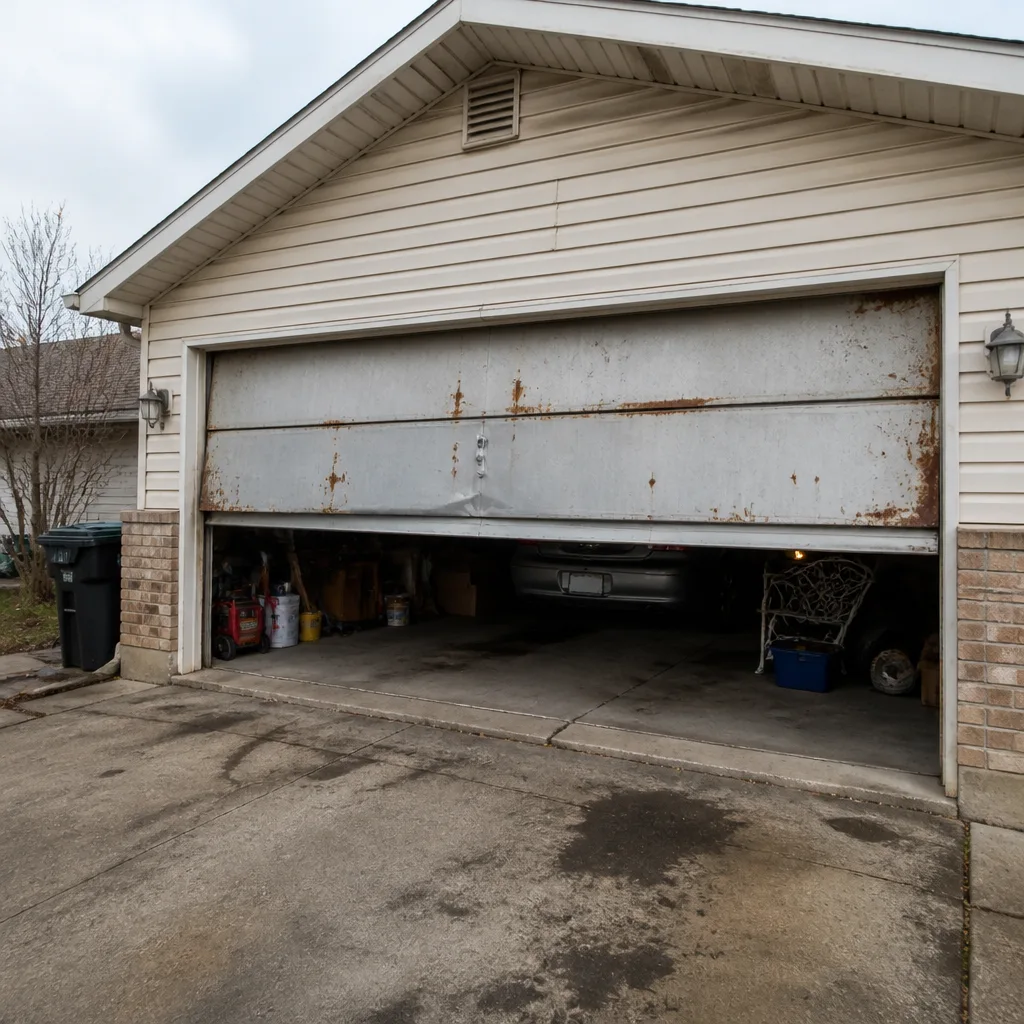
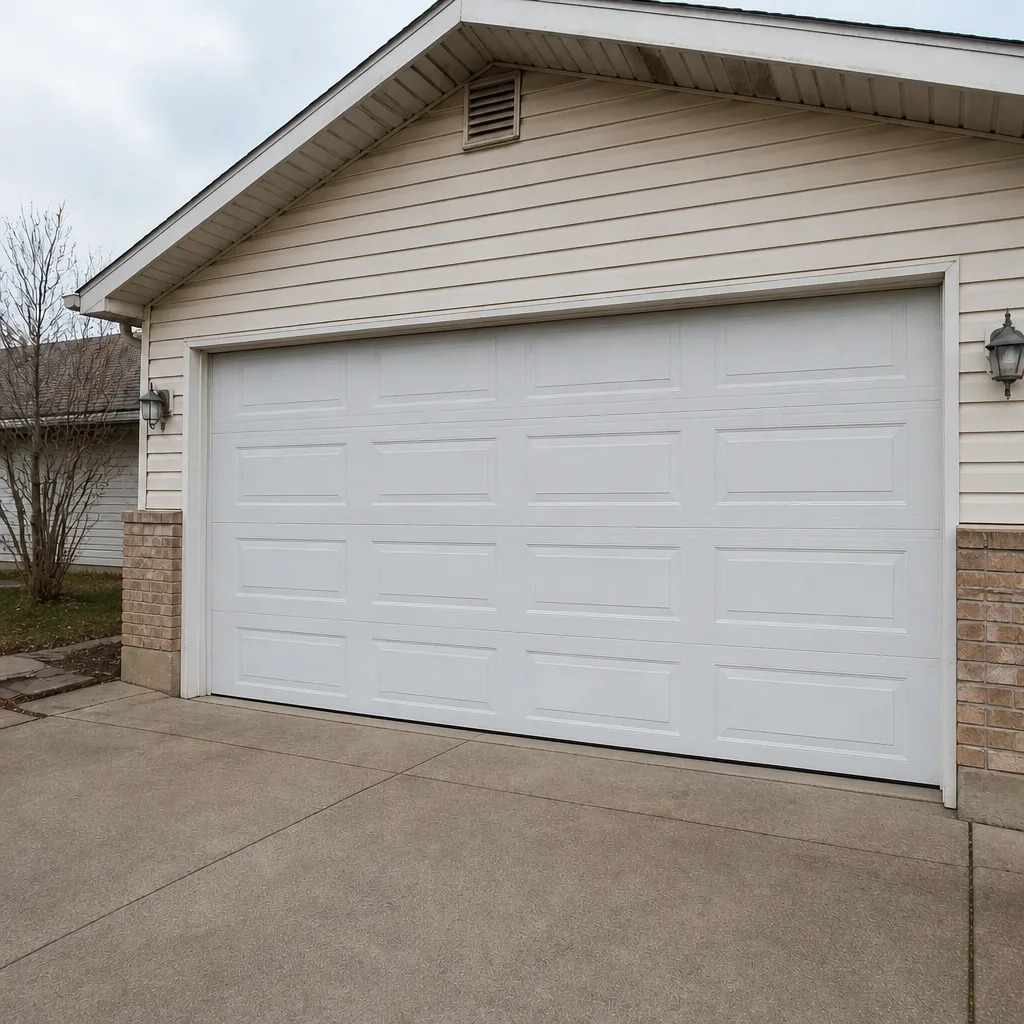
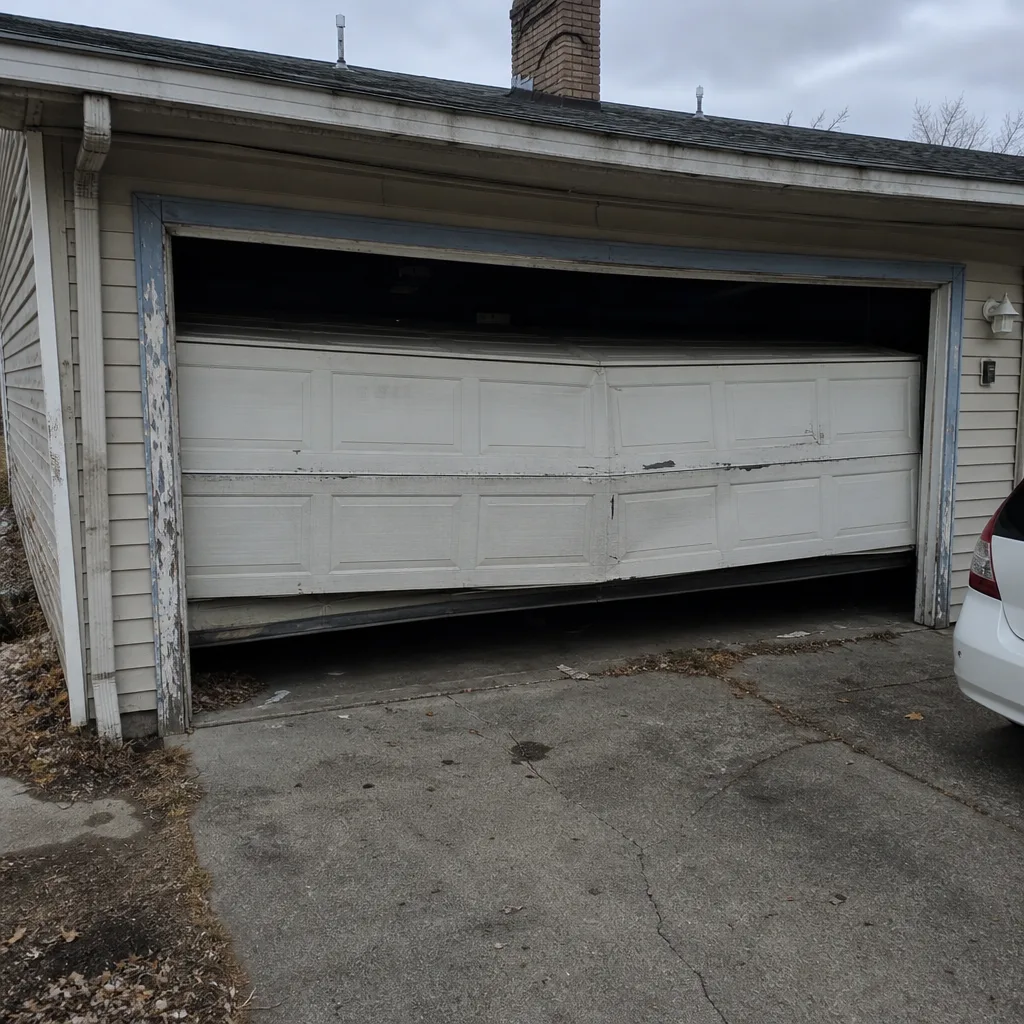
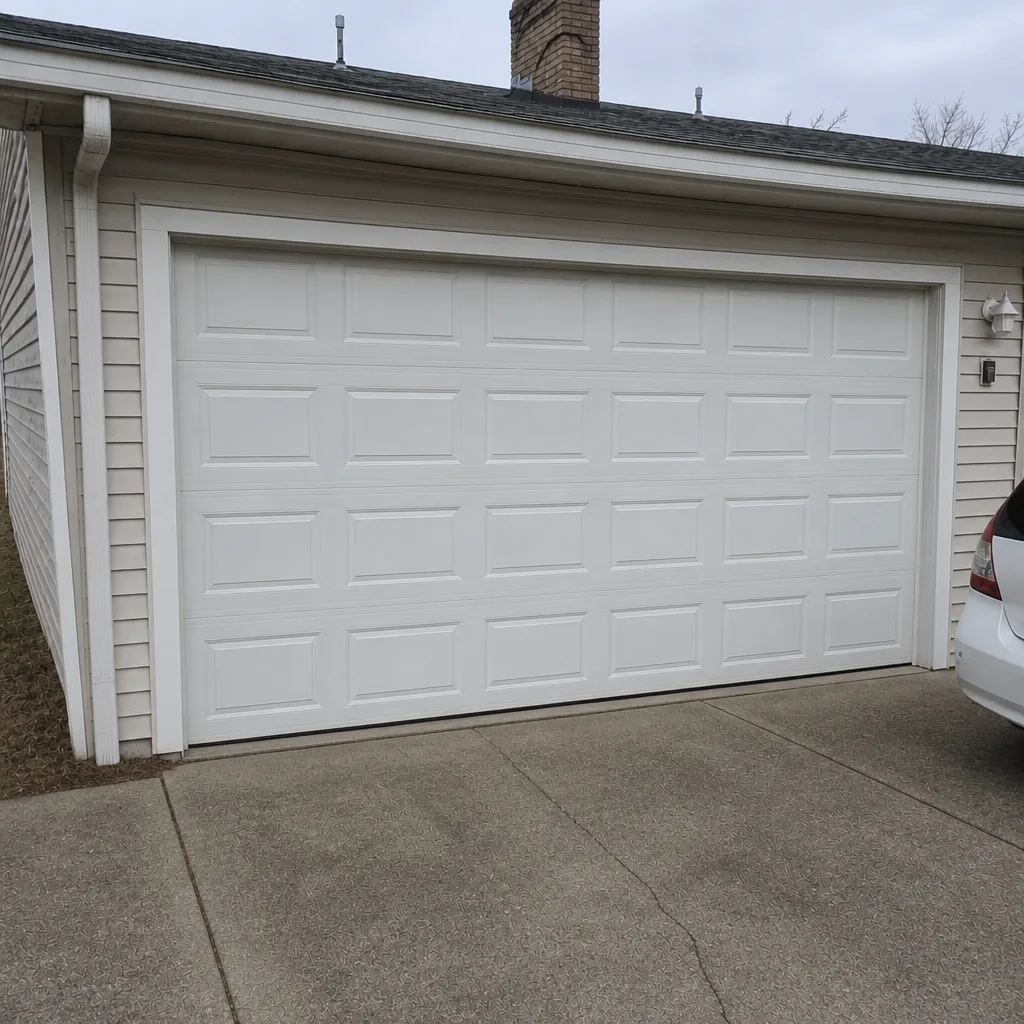
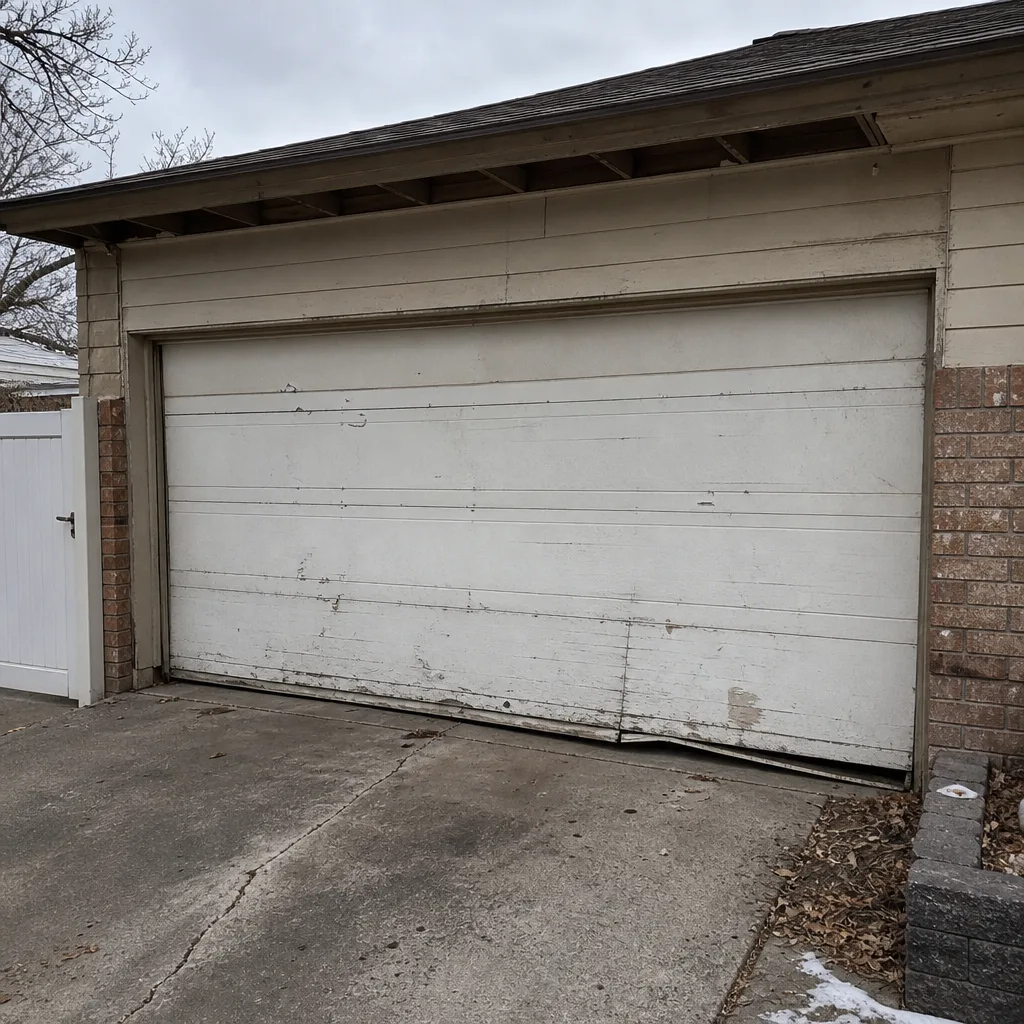
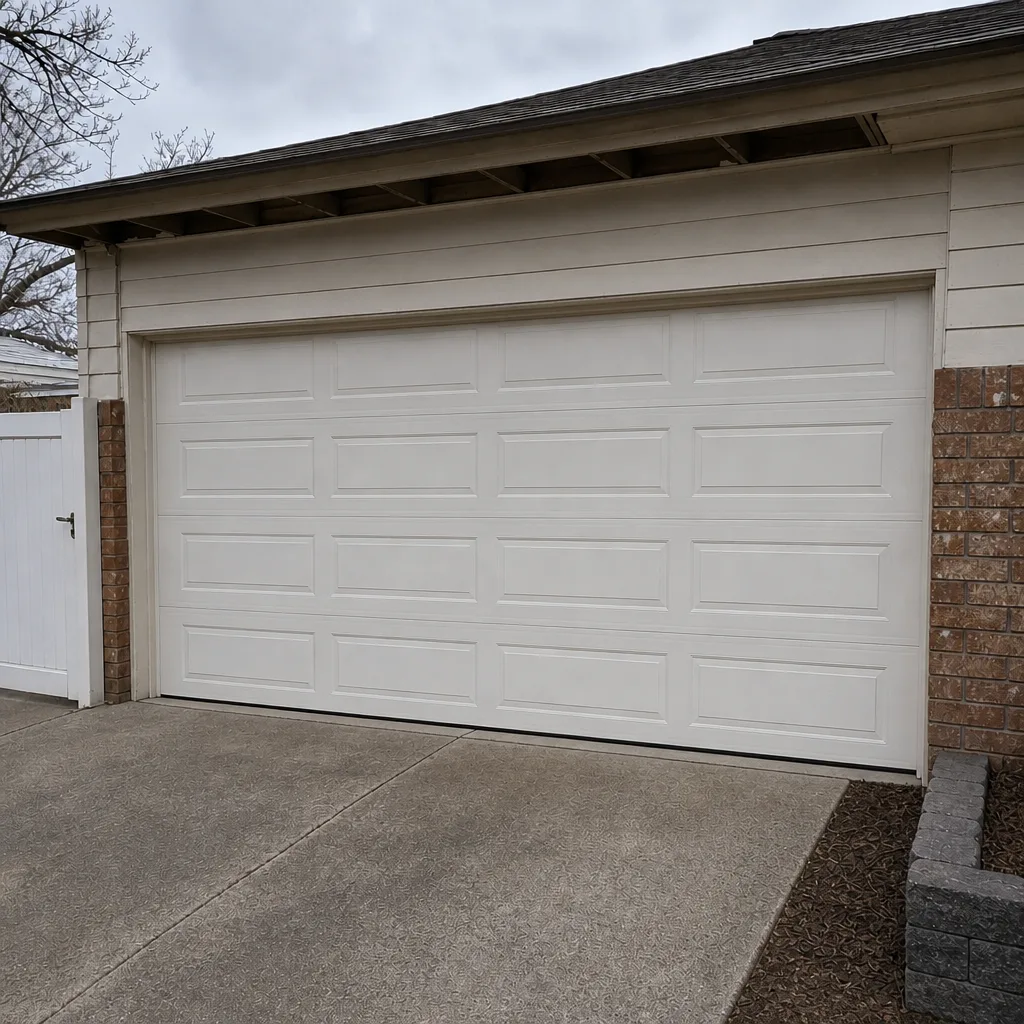
See the difference
 Before
 After
 Before
 After
 Before
 After
Common Mistakes to Avoid
- Oiling the tracks. The tracks are supposed to run dry. Oil attracts grit and dust, and in a West Valley City garage that dust turns into a paste that gums up the rollers. Lubricate hinges and rollers – leave the tracks alone.
- Forcing a heavy door up by hand. If the door feels heavy, the spring or a cable has failed. Forcing it up on a bad spring puts the remaining spring under extra load and can cause it to fail suddenly.
- Bending the track back with your hands. A garage door track looks like thin metal, and it is, which is why a “quick fix” bend usually creates a new bind point. Straightening a track properly takes a specific tool and patience. Bending it can cost you a track replacement that could have been a straightening.
- Replacing just one spring when both have the same age. Springs are installed in matched pairs on most modern doors. If one failed, the other is on the same wear curve. Replacing only one usually means the second fails within a short window – and you pay for two service calls instead of one.
- Assuming a dead opener means a new opener is needed. A humming opener with a stationary door is often a worn drive gear, which is a smaller repair than a full replacement. Replacing an opener without diagnosing the door’s mechanical condition can mask the real problem and overpay for a motor you didn’t need.
- Ignoring the intermittent problem until it’s total. The “it works sometimes” pattern is the cheapest point to fix. Wait and it becomes the most expensive.
- Assuming cold-weather stiffness is a mechanical failure. Utah’s big seasonal swings cause real expansion and contraction in the door’s metal. A door that groans on a January morning and opens fine by noon may just need lubrication and a hinge tightening. Test the pattern before calling for a spring.
When to Call a Professional
Call a professional for any of these situations: the door is heavy when you pull the manual release, one side sits higher than the other, you see a frayed or slack cable, you heard a bang from the garage and the door won’t lift, the opener hums without moving the door, or the door reverses without an obvious cause. Call also if the door fails randomly or the intermittent pattern has gotten more frequent – logic boards and worn gears don’t get better on their own. And call if you’ve been running the door on a problem for months because it “still works.” Springs and cables fail on a wear curve, not on a calendar. For homes across West Valley City, our garage door opener repair team handles the electrical side while our repair team handles the mechanical side in one visit. Auburn Garage Door Service offers free estimates in West Valley City – call (844) 834-4689.
Frequently Asked Questions
Pull the manual release. If the door feels heavy, or drops or sags by hand, the problem is in the springs or cables. If the door slides easily by hand but the opener hums without moving it, the problem is in the opener’s drive gear or the door’s mechanical bind. If both sensor lights are off or blinking, the problem is the sensors. Call (844) 834-4689 for a free estimate once you’ve isolated the category.
A sensor issue or a noisy door can usually wait a few days without causing damage. A spring or cable problem should not wait, because the door is running unbalanced and the remaining spring or cable is carrying more load than it was designed for. A door that hums without moving should also be checked before it’s used again. Call (844) 834-4689. We answer 24/7. Fast dispatch from 7am to 7pm, Sunday through Friday.
Utah’s temperature swings cause the metal in your tracks, hinges, and door panels to contract in the cold and expand in the heat, which can cause groans, sticking, and rattle that disappear once the day warms. If the door behaves fine on warmer days, it likely needs lubrication and a hardware tighten rather than a spring replacement. If it stays heavy or reverses even after warming, call for a diagnosis: (844) 834-4689.
Intermittent failures usually point to the opener’s logic board, a worn drive gear, or a wiring issue at the wall station, not the safety sensors. A sensor problem fails consistently; an intermittent one usually means something in the opener is on its way out. Track when it fails for a few days and call for a diagnosis, quoting the pattern. Free estimates: (844) 834-4689.
No. Garage door springs are under extreme tension even when the door is fully closed and looks harmless, and a spring releasing mid-replacement can cause serious injury. Spring and cable work should be done by a trained technician with the proper tools. Call (844) 834-4689 for a free estimate and let a specialist handle it.
In most cases, yes. We’re set up to service and install across LiftMaster, Chamberlain, Genie, Clopay, Amarr, Wayne Dalton, Craftsman, and Raynor – the eight brands our technicians are trained on, including both modern smart-home openers and older mechanical units. If you’re not sure what’s on the door, call (844) 834-4689 and we’ll help identify it before the visit. Free estimates.
The Bottom Line
Most garage door failures fall into five predictable categories, and the symptom you notice tells you which one. Heavy door means springs or cables. Uneven door means a cable. Humming opener means a gear or a bind. Blinking sensor means realignment. Intermittent failure means logic board or worn gear. In West Valley City, add in the valley’s seasonal temperature swings, which can mimic a mechanical failure on cold mornings and are worth re-testing before you call. Realize that sensor cleaning, manual release, lubrication, and hinge tightening are safe for most homeowners, but springs and cables always need a technician. Keep the checklist handy, isolate the subsystem, and get a free estimate the moment you’re unsure.
If your door has been acting up, we’re happy to take a look. We’re an Auburn Garage Door Service specialist – garage doors are all we do – and we work on the brand you already have. Call (844) 834-4689 for a free estimate across West Valley City. We answer 24/7. Fast dispatch from 7am to 7pm, Sunday through Friday. The price is quoted and agreed before any work starts, and our technicians have up to 9 years of experience on the hardware that’s on your door right now.
Written by the team at Auburn Garage Door Service.