
Last updated November 16, 2026
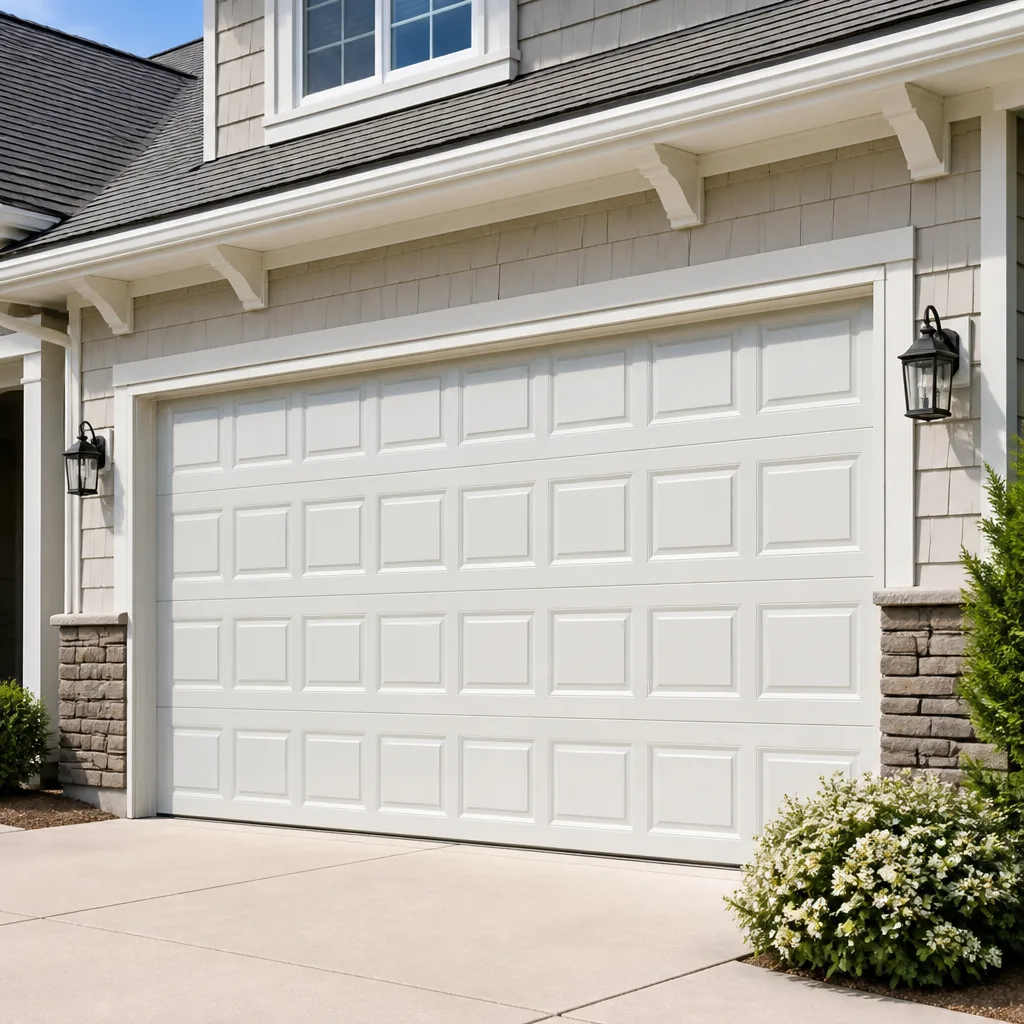 Raised-panel steel
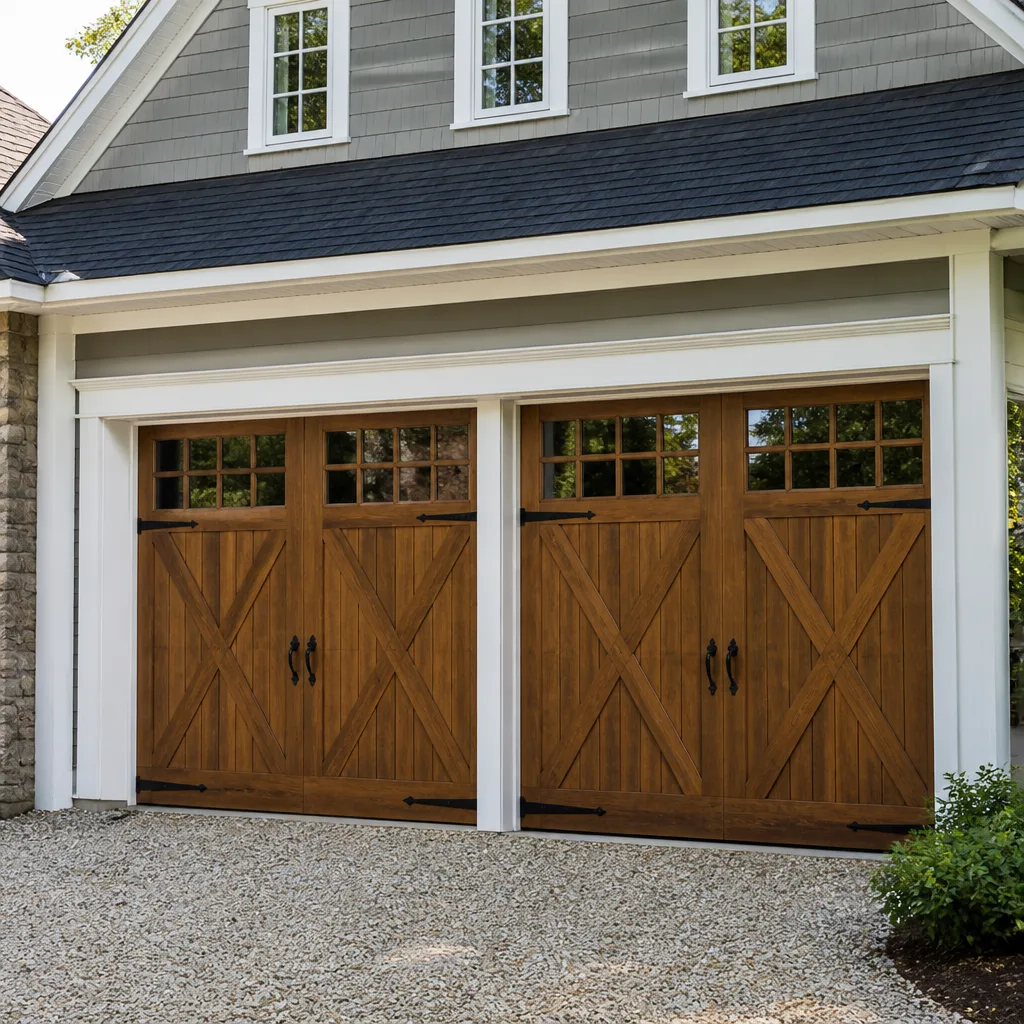 Carriage house
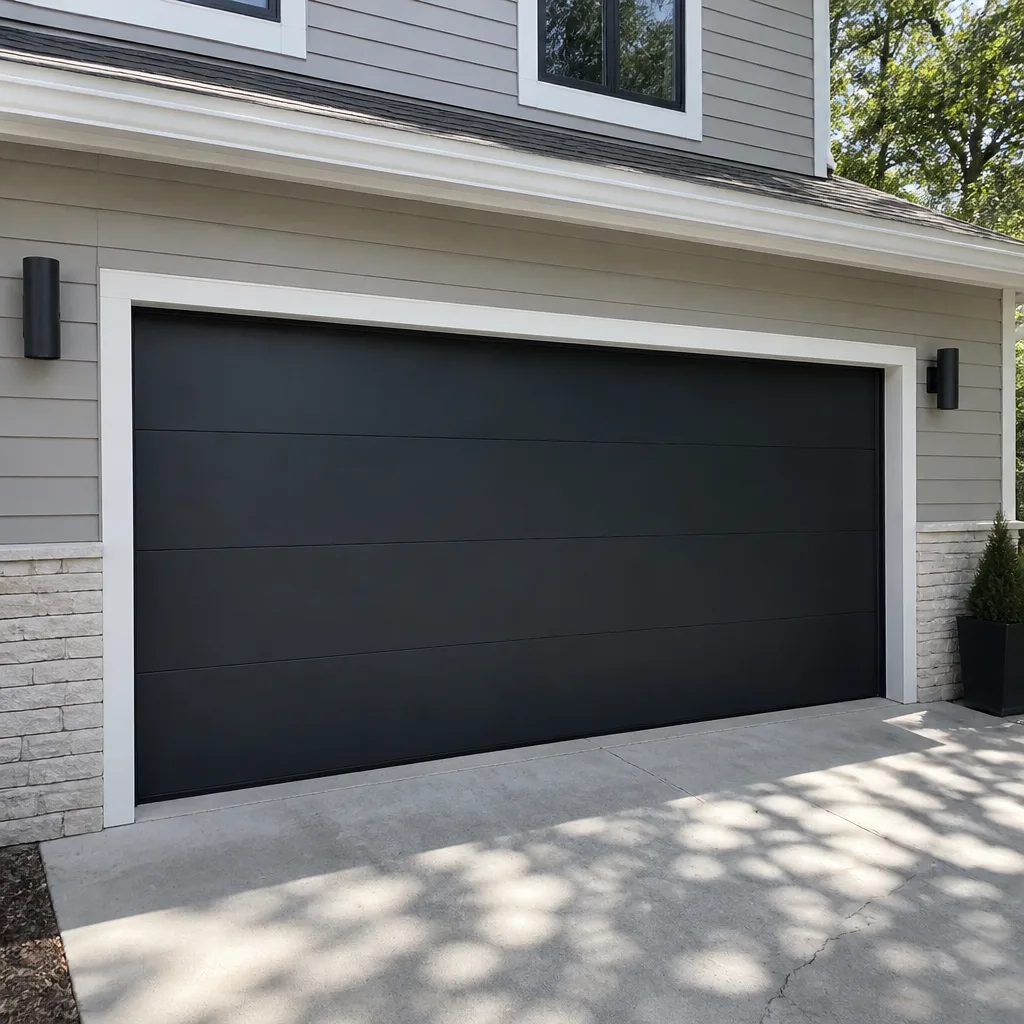 Modern flush
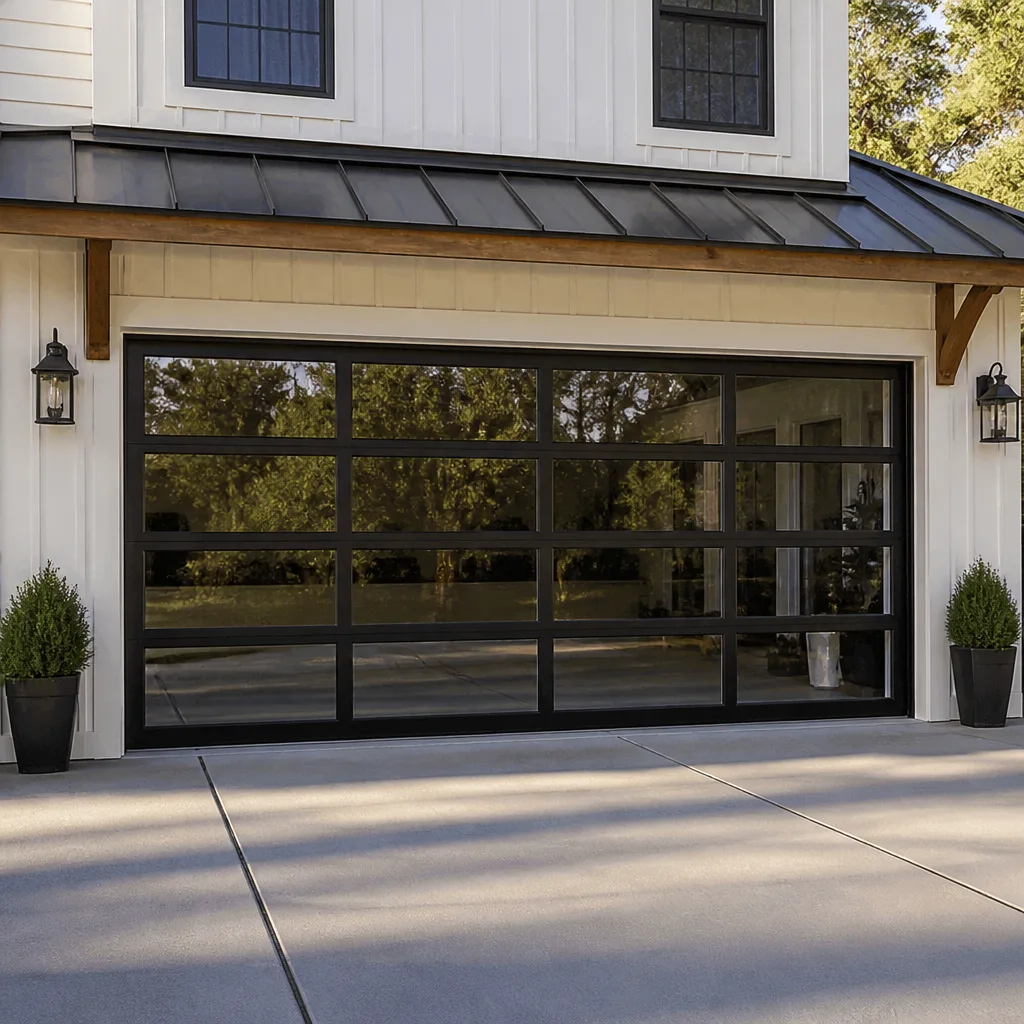 Full-view glass
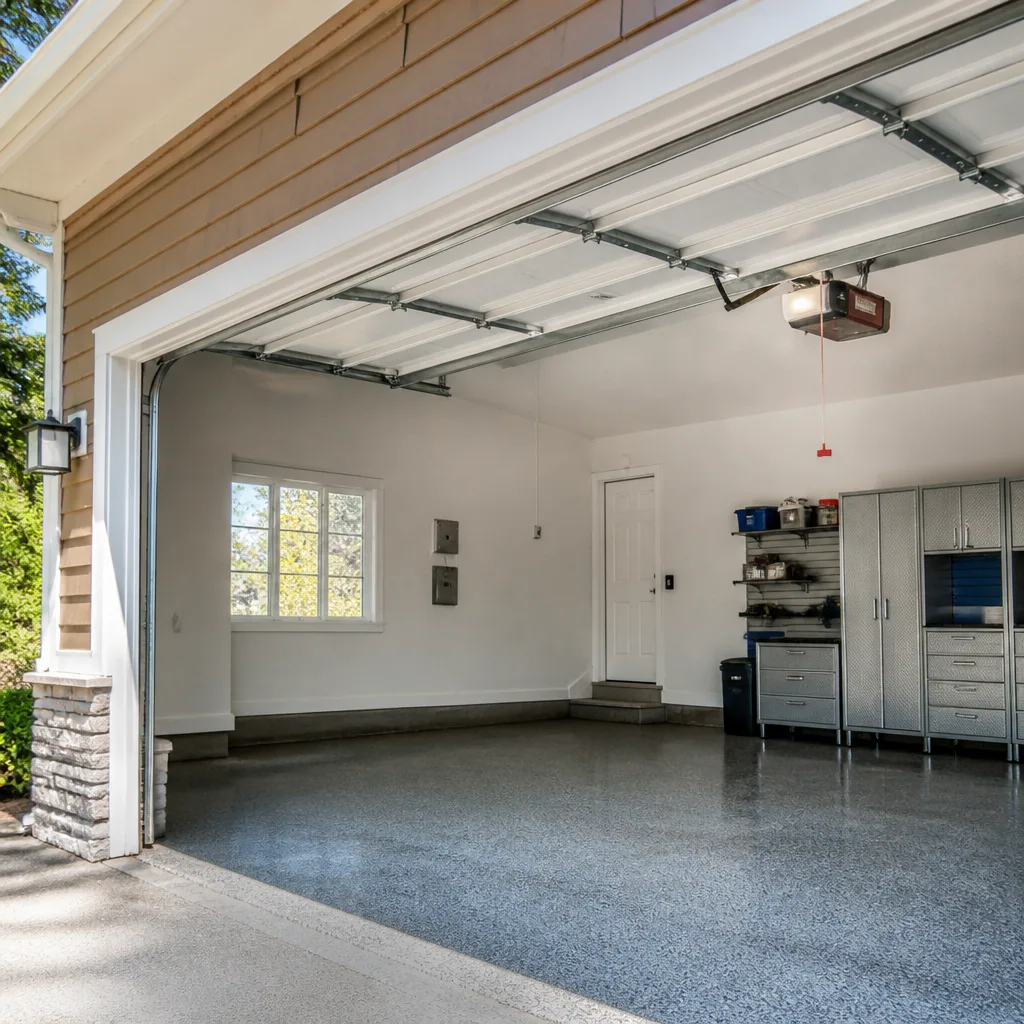 LiftMaster openers
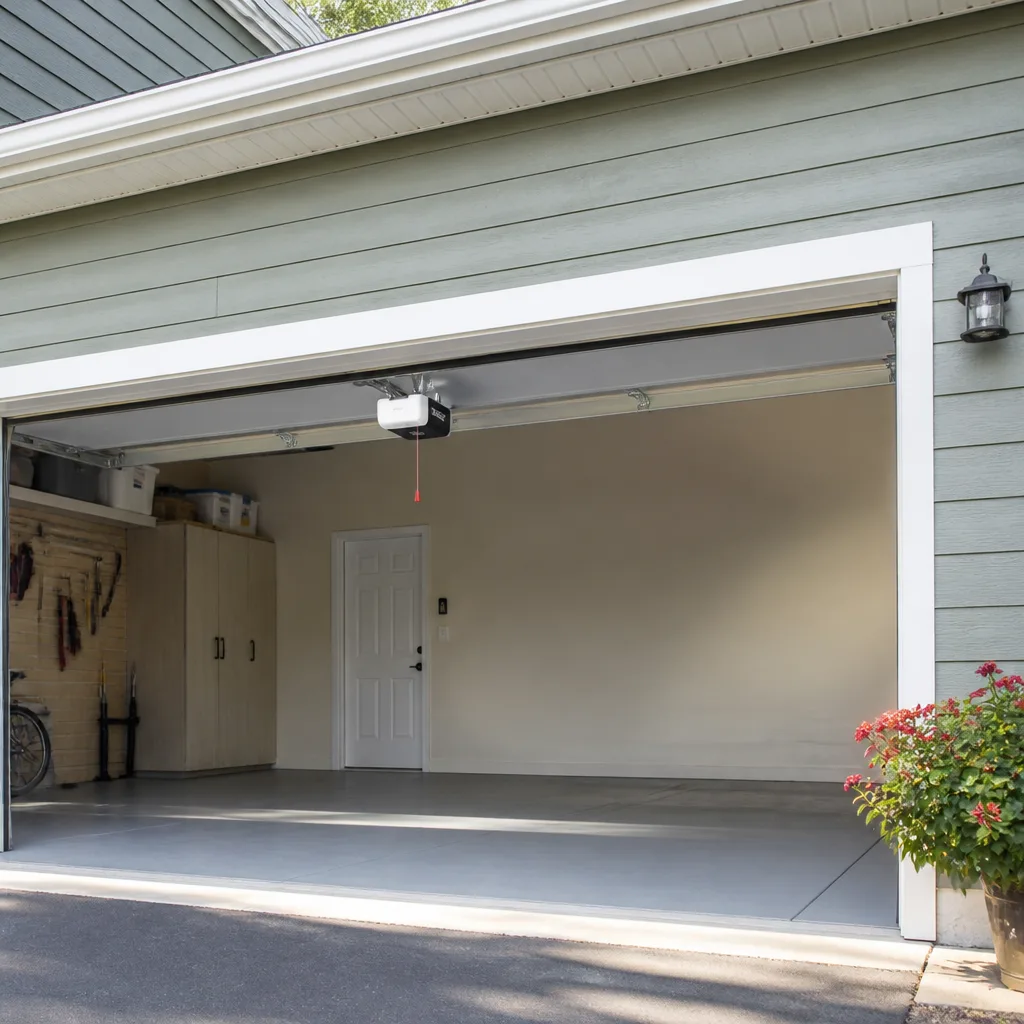 Chamberlain openers
Full 25-point door and opener safety check with every visit - springs, cables, rollers, tracks, and your LiftMaster or Chamberlain opener included
You get a price before we start. It does not change when the pro arrives.
Get your free estimateGarage Door Warning Signs: A West Valley City Homeowner’s Reference Guide
Most garage door advice lumps every symptom into one bucket and tells you to call someone. That approach fails in both directions. It makes people panic over a squeak that could wait two weeks, and it convinces other people to ignore a door that’s one cycle away from dropping. The truth is that warning signs come in tiers. Some mean watch it. Some mean book a visit within a couple of weeks. And some mean stop using the door today, before something goes wrong. This guide sorts the symptoms you’ll see on a typical West Valley City door into those three tiers, decodes the noises, and explains which visual signs are cosmetic and which are genuinely dangerous. You’ll come away knowing exactly which bucket your door belongs in.
Quick Answer
Garage door warning signs fall into three tiers: Tier 1 signs (minor squeaks, slow cosmetic wear, occasional remote flakiness) mean monitor the door; Tier 2 signs (grinding, a door that reverses before closing, a bent track, uneven travel) mean schedule a professional visit within about two weeks; and Tier 3 signs (a snapped spring, a frayed or hanging cable, a door that won’t stay up, or heavy popping from the torsion bar) mean stop using the door immediately and call a trained technician before you cycle it again. A door that reverses before fully closing is not always a sensor problem. Sometimes it’s a tension issue in the spring or cable system, and that’s exactly the situation where continuing to use the door can end with it falling on a vehicle or a person.
Styles & brands we work with
- Raised-panel steel
- Carriage house
- Modern flush
- Full-view glass
- LiftMaster openers
- Chamberlain openers
Table of Contents
- The Three-Tier Warning Sign System
- Decoding the Sounds Your Door Makes
- Dangerous vs. Cosmetic: Telling a Bent Track From a Dented Panel
- What Opener Behavior Tells You
- Why a Door That Fails on Cold Mornings Isn’t a Fluke
- Spring and Cable Warning Signs You Should Never Ignore
- A Seasonal Walk-Around Checklist for West Valley City Homes
- When to Call a Professional
The Three-Tier Warning Sign System
Not every symptom deserves the same response. Sorting what you’re seeing into a tier is the single most useful skill for a homeowner, because it stops you from either overreacting or underreacting. Here’s how we break it down.
Tier 1: Monitor It
These signs are the door’s way of telling you something needs attention eventually, but nothing is in immediate danger. Keep an eye on them and address them at your next service window.
- A light squeak or squeal at one point in the travel
- A remote that occasionally needs a second press
- A slow, even change in how the door sounds over months
- Light surface rust on hinges or rollers
- Minor cosmetic dents or scuffs on a panel
- A door that travels smoothly but feels slightly heavier than it used to
Tier 2: Schedule Within Two Weeks
These signs point to a component that’s wearing out and will fail if left alone. The door still works, but you shouldn’t wait months to address it. In our experience, most Tier 2 issues are still repairable at this stage without collateral damage to the opener or track.
- Grinding sounds during travel
- Popping from the torsion bar area, once or twice per cycle
- A door that reverses before fully closing (when the sensors are clean and aligned)
- A visibly bent track section
- Uneven travel: one side of the door lags the other
- Opener hesitation on reversal or inconsistent travel speed
- A door that runs slightly harder in cold weather
Tier 3: Stop Using the Door Now
These signs mean the door has a real risk of falling, and every cycle you run adds to the danger. Don’t try to close it or open it again, and don’t try to fix it yourself. A snapped spring or a frayed cable holds stored energy, and releasing it wrong can cause serious injury.
- A loud bang followed by a door that won’t lift
- A visible gap in a torsion spring or a stretched extension spring
- A cable that has come off its drum, is hanging loose, or is frayed
- A door that won’t stay up when you try to open it by hand
- Heavy popping or grinding from the torsion bar with any door movement
- A door sagging on one side when closed
If you’re seeing anything in Tier 3, call a trained technician. Our team at Auburn Garage Door Service handles these calls regularly, and we’ll walk you through safe next steps before the door moves again. Live in West Valley City and not sure which tier you’re looking at? Describe it on the phone and we’ll tell you exactly how urgently it needs attention.
Decoding the Sounds Your Door Makes
The type of sound narrows down which component is complaining. Grinding, squealing, popping, and slapping are four different problems with four different causes, and treating them as one leads to the wrong repair. Here’s what each one actually indicates.
Grinding
Grinding usually means metal is rubbing where it shouldn’t. The most common sources are dry or worn rollers, a track that’s slightly out of alignment, or a torsion bar that has lost its lubrication. On a door with a Wayne Dalton TorqueMaster-style spring system, grinding can also come from the internal spring assembly. Grinding is a Tier 2 sign in most cases, but if the grinding is heavy and constant through the whole travel, treat it as Tier 2 with urgency and skip the door until it’s inspected.
Squealing
Squealing is the most benign of the four. It’s almost always a lubrication or roller issue: a hinge, a roller stem, or the torsion bar spring coils. Winter in West Valley City dries out lubricant faster because of the cold swings, so a door that’s silent in summer can develop a squeal by January. Squealing sits firmly in Tier 1. It signals wear, not danger, but don’t leave it for a year either.
Popping
Popping is the one to take seriously. A single pop as the door begins to move can be a spring coil shifting under load, a cable jumping its drum, or a hinge plate with a failing fastener. A pop that happens once per cycle at the same point every time is a Tier 2 sign. A pop that happens repeatedly, sounds like it’s coming from the torsion bar, or is followed by the door travelling unevenly is Tier 3. Popping is the sound most often ignored, and it’s the one that most often precedes a spring failure.
Slapping or Banging
Slapping or banging during travel almost always points to a loose panel, a roller that’s come out of its hinge, or a door that’s off its track alignment against the jamb. A single panel that slaps against the section next to it is usually a fastener or hinge issue. A door that bangs as a whole is often a sign the door has lost a roller or that the track is bowing. Either way, stop and inspect, and treat it as Tier 2 at minimum.
One more sound worth naming: a hard metallic clank the moment the door starts to open. That’s usually the opener’s gear or a torsion spring catching. If it’s the opener, you’re looking at a gear or drive problem on whatever brand of opener you own, whether it’s a LiftMaster or a Craftsman. If it’s the torsion spring, treat it as a Tier 3 sign until a technician confirms otherwise.
Dangerous vs. Cosmetic: Telling a Bent Track From a Dented Panel
The visual signs on a garage door range from completely harmless to genuinely dangerous, and the difference isn’t always obvious. Here’s how to distinguish them without touching the components. The rule of thumb: anything involving the track, the cables, the springs, or the door’s alignment is in the dangerous category. Anything involving the panel surface is usually cosmetic.
How to Read a Panel Without Touching It
A dented panel is cosmetic. A panel that has dented and now doesn’t sit flush with its neighbors isn’t, because the misalignment loads the hinges and rollers unevenly. Stand back and look at the door edge-on, from inside the garage. If the sections form a straight line, the panel damage is likely cosmetic. If you can see a clear zig or a gap between sections, the door is out of line and that’s a Tier 2 issue.
How to Read a Track Without Touching It
A bent track is in a different category. Visually check the vertical tracks on both sides and the horizontal tracks along the ceiling. A slight kink near the curve, or a gap between the track and the door’s rollers at rest, means the door is trying to travel through a curve that isn’t smooth. The track is what keeps the door’s panels moving in a straight line, so any bend in it puts stress on the door, the opener, and the hinge assembly. Bent tracks are a Tier 2 sign, and they get worse quickly. Don’t try to bend a track back yourself. It’s a jig-and-measure job, and a track that’s “close enough” causes rapid roller wear.
Sagging Door, Misaligned Cables, and Springs
A door that visibly sags on one side when closed is a Tier 3 sign. So is any visible cable issue: a cable that’s loose, painted over with rust, frayed, or hanging off its drum. And a spring with a visible gap in it, whether it’s a torsion spring on the bar above the door or an extension spring along a horizontal track, is a Tier 3 sign, full stop. These are the conditions that end with the door coming down.
If you’re unsure which bucket you’re looking at, describe what you’re seeing over the phone. We can usually tell you whether it’s a schedule-it-soon situation or a stop-and-call-now situation in a couple of minutes.
What Opener Behavior Tells You
The opener is the easiest component to blame and often the last one to actually fail. When a door misbehaves, homeowners frequently assume the opener is dying, and in our experience, most opener “failures” trace back to a mechanical problem in the door itself. Here’s how to decode what the opener is telling you.
Slow Travel Speed
If the door has clearly slowed down but otherwise runs smoothly, the most likely culprits are a dry torsion spring, worn rollers, or a slight track misalignment. The opener is working harder than it should. On a LiftMaster or Chamberlain opener with a smart-home connection, a slow travel speed that developed gradually is usually mechanical, not electronic. In West Valley City, cold snaps in December and January amplify slow travel because the spring’s tension changes with the temperature and the lubricant thickens. If slow travel arrives with the cold weather and clears when it warms, that’s a sign to schedule service before the next cold front, not a sign the opener needs replacing.
Hesitation on Reversal
An opener that hesitates, pauses, or reverses mid-travel is one of the more confusing symptoms. Hesitation on reversal usually points to one of three things: an obstruction the safety sensors are picking up intermittently (dust, sun glare, an insect on the lens), a force-setting that’s gotten too tight, or a door that’s binding in a way the opener’s force sensor is detecting as resistance. In our experience, hesitation on reversal is almost never the opener’s motor failing. Get the door’s travel and balance checked before you consider replacing the opener.
Remote Inconsistency
A remote that works from the driveway but not from the kitchen, or that only works after two or three presses, usually has one of four causes: a worn remote battery, a loose antenna wire on the opener head, an LED bulb in the opener assembly that’s interfering with the radio signal, or a frequency conflict with a nearby device. Raynor and LiftMaster openers both use rolling-code systems that can occasionally need a fresh pairing after a long power outage. None of these are dangerous, and all sit in Tier 1.
Force Settings That Keep Tripping
An opener that reverses and blinks its light once or twice, or that reverses and stops, is usually telling you the force limit has tripped. The force limit is a safety feature, and it trips most often when the door’s resistance has increased. If the light blinks with no obvious obstruction and the door otherwise seems fine, don’t just adjust the force limit up to make the door run. Every adjustment upward on the force limit reduces the safety margin. Get a technician to look at why the door is binding.
Why a Door That Fails on Cold Mornings Isn’t a Fluke
A door that works all summer and then fails intermittently on cold mornings is not a fluke. It’s a system that’s on the edge of its operating capability, and the cold is what pushes it over. In West Valley City, the temperature swings between a warm afternoon and a pre-dawn low can be thirty degrees or more. That swing matters to every metal component in the door.
Springs are the biggest factor. A torsion spring’s tension is set at a specific temperature, and metal contracts and loses some elasticity in the cold. A spring that’s near the end of its rated cycle count will hold tension at 60 degrees and fail to lift the door at 20 degrees. If your door lifts on the first try on a warm afternoon and needs a second or third try on a cold morning, the spring is the first thing to check.
Lubricant plays a role too. Garage door grease and track lubricant thickens in cold weather, adding resistance at every roller and hinge. This is why a door that’s slightly out of alignment can run fine all summer and start reversing itself in November. The resistance that was hidden becomes enough to trip the opener’s force sensor.
Track and jamb alignment shift with the season as well. The metal tracks contract slightly, and any small bend in a track that was tolerable in summer becomes a snag point in winter. Cold-morning failures are the door telling you it’s reached a threshold. They’re a Tier 2 sign in most cases, not a Tier 3 emergency, but treating them as a fluke is what turns a repairable spring into a full spring-and-cable job.
What cold-morning failures predict about remaining service life is straightforward: the component that’s failing is near the end of its useful wear. A door that starts needing a second try in the cold is usually a door with a spring that’s close to the end of its cycle life, or a set of rollers that have worn oval. Addressing it before the next cold season is the difference between a scheduled repair and an unplanned failure. Our garage door repair team sees this pattern constantly through the late fall and early winter.
Spring and Cable Warning Signs You Should Never Ignore
Spring and cable issues are the only category where we’d say: stop using the door today, and don’t try to fix it yourself. A torsion spring can be carrying several hundred pounds of stored force even when the door is closed, and a release under the wrong conditions has caused serious injuries. We don’t publish step-by-step instructions for spring or cable work because following them badly is genuinely dangerous. What we can do is tell you what to look for and who to call.
What to Look For
- A visible gap in a torsion spring: a torsion spring runs along the bar above the door. If you can see a clean break or gap in the coil, that spring has failed.
- Stretched or separated extension springs: extension springs run along the horizontal track on each side. A spring that’s noticeably longer than its pair, or has visibly separated coils, is at risk of failing under load.
- A cable hanging loose or off its drum: a cable has come off its drum if you see it hanging down at the corner of the door or wrapped unevenly. Don’t try to re-spool it.
- Visible rust or fraying on a cable: a cable is a braided steel wire. Fraying or heavy rust reduces its strength, and it should be replaced as a pair.
- A door that won’t stay up: if you lift the door by hand and it won’t stay up, the spring tension is wrong, and that’s a stop-now sign.
- Loud bang from the garage followed by a dead door: a spring has failed. Don’t cycle the door again.
What to Do When You See a Tier 3 Sign
- Stop using the door. Don’t try to open or close it, and don’t try to help it with your hands.
- Clear the area under and around the door of vehicles, bikes, and anything else that could be damaged.
- Keep children and pets away from the garage while the door is in this state.
- Call a trained technician. We can walk you through what to do safely and schedule the visit.
- Don’t try to replace a spring or adjust a cable yourself. It’s the one part of garage door work that carries a real risk of serious injury if it goes wrong.
A snapped spring is one of the calls we handle most often on the repair side, and it’s also the one most worth avoiding by catching earlier. If you notice the door slowing down or getting noisier over a few weeks, that slow-down is often a spring on its way out.
A Seasonal Walk-Around Checklist for West Valley City Homes
The best way to catch warning signs early is a quick visual and listening walk-around once per season. It takes ten minutes and it’s safe to do without touching the spring or cable assembly. Here’s what we recommend.
- Stand inside and watch a full open and close cycle. Does the door move evenly? Do both sides track at the same speed? Does anything hesitate?
- Listen to the door. Identify any grinding, squealing, popping, or slapping, and note where in the travel it happens.
- Look at the tracks from the side. A bend will show as a wobble in the door’s path or a gap between the roller and the track.
- Check the door balance by hand gently, from a fully closed position. If you can safely lift the door with one hand and it stays up about halfway, the balance is roughly right. If it drops immediately, or refuses to lift, don’t force it. That’s a Tier 2 sign at minimum.
- Inspect the rollers and hinges with a flashlight. Look for worn bearings, cracked rollers, or loose fasteners. Don’t remove anything.
- Look at the spring and cable assembly from a distance. Don’t touch. Look for gaps in the spring, fraying on the cable, or a cable hanging loose.
- Test the safety reversal. Put a small block of wood flat on the ground under the door, close the door, and confirm it reverses on contact. If it doesn’t, the opener needs attention.
- Check the outdoor keypad and remotes. Replace remote batteries once a year and confirm the keypad still works.
- Look at the panel edges after a windy stretch. West Valley City gets strong downslope winds that can push debris against a door, and minor panel damage is easy to miss.
- Note anything that changed since last season. A door that was silent and even six months ago and has started to grind or jut is telling you something.
This checklist catches most of what we’ll otherwise find on a service visit. If any step reveals a Tier 3 sign, stop and call before you do anything else. Our team is the one you can reach on the phone. Call (844) 834-4689. We answer 24/7. Fast dispatch from 7am to 7pm, Sunday through Friday.
If you’re looking for a West Valley City team familiar with the hardware already on your door, we work on eight major brands including LiftMaster, Chamberlain, Genie, Clopay, Amarr, Wayne Dalton, Craftsman, and Raynor. That means we can identify what your door is doing regardless of which brand installed it, and we can tell you whether you’re looking at a repair, an opener issue, or a door nearing replacement. Our technicians have up to 9 years of experience reading exactly these signs.
See the difference
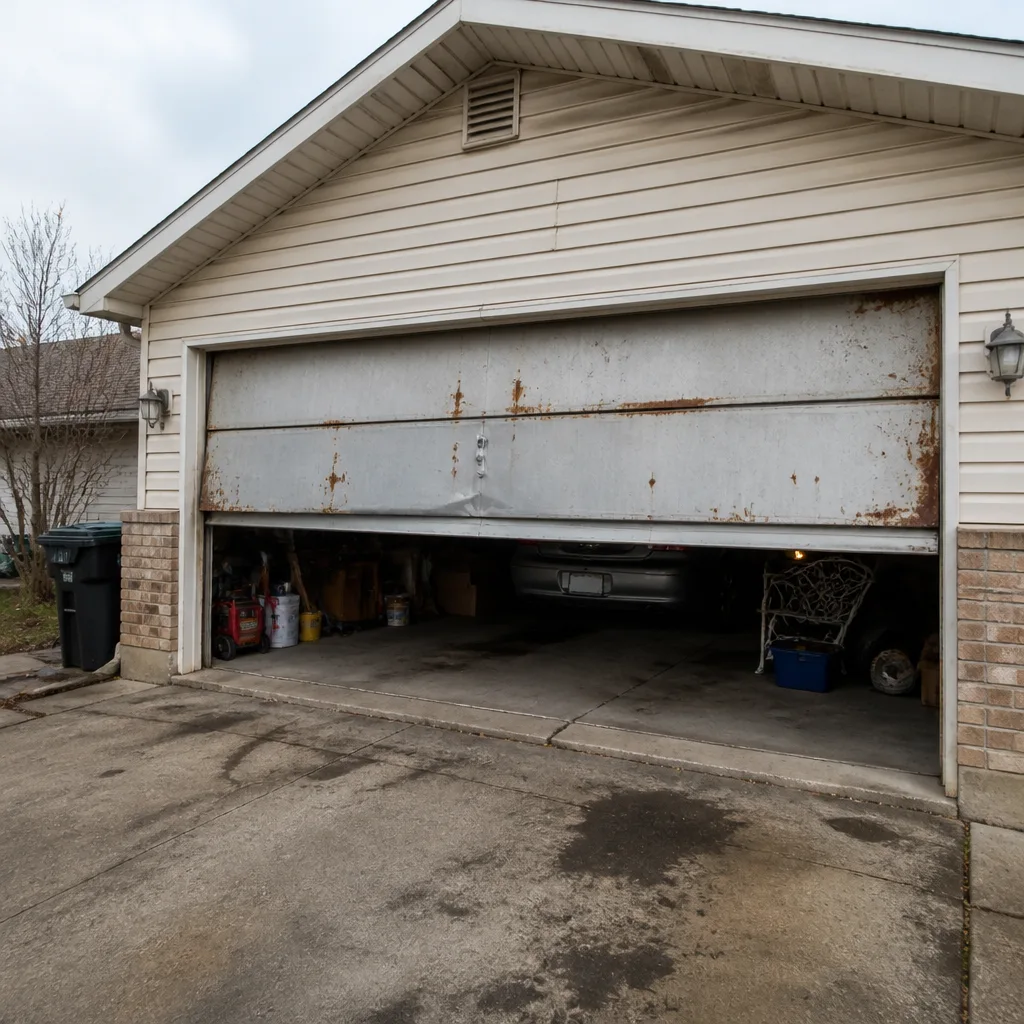 Before
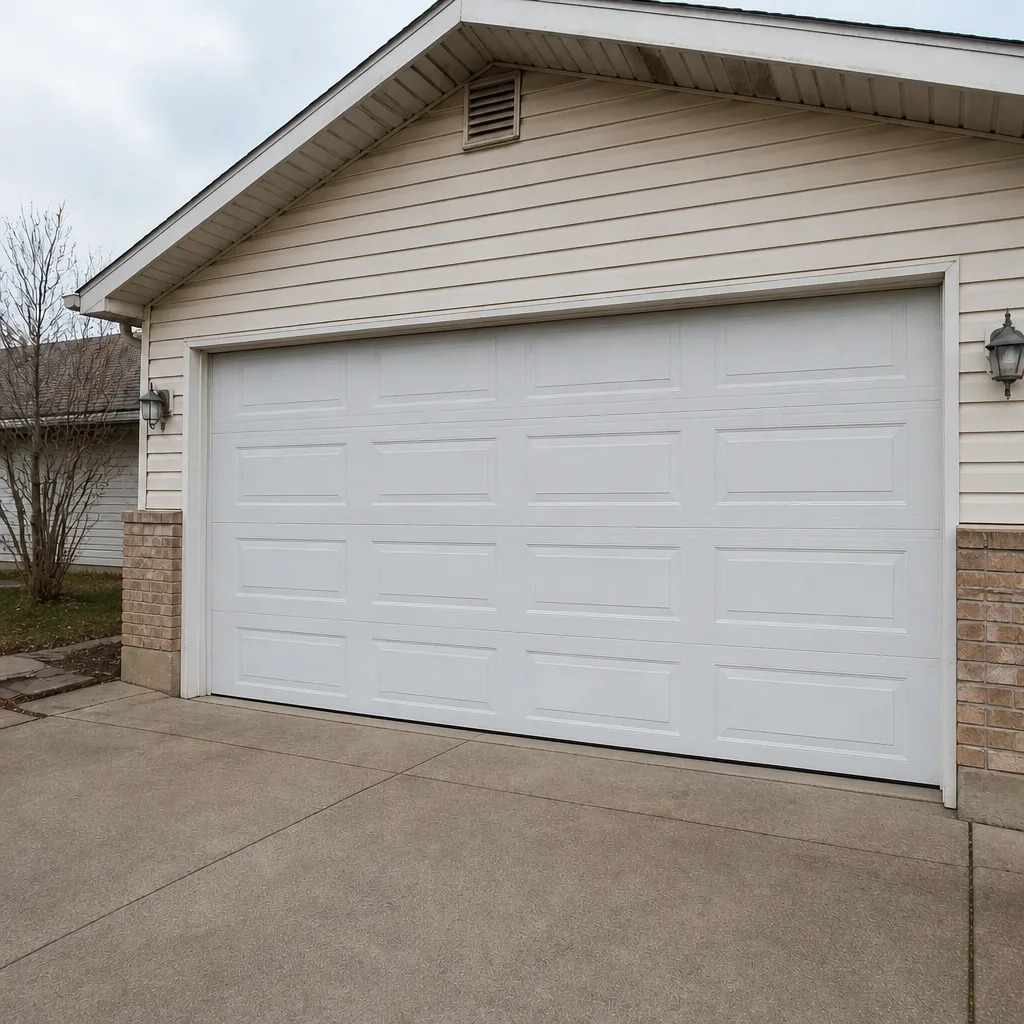 After
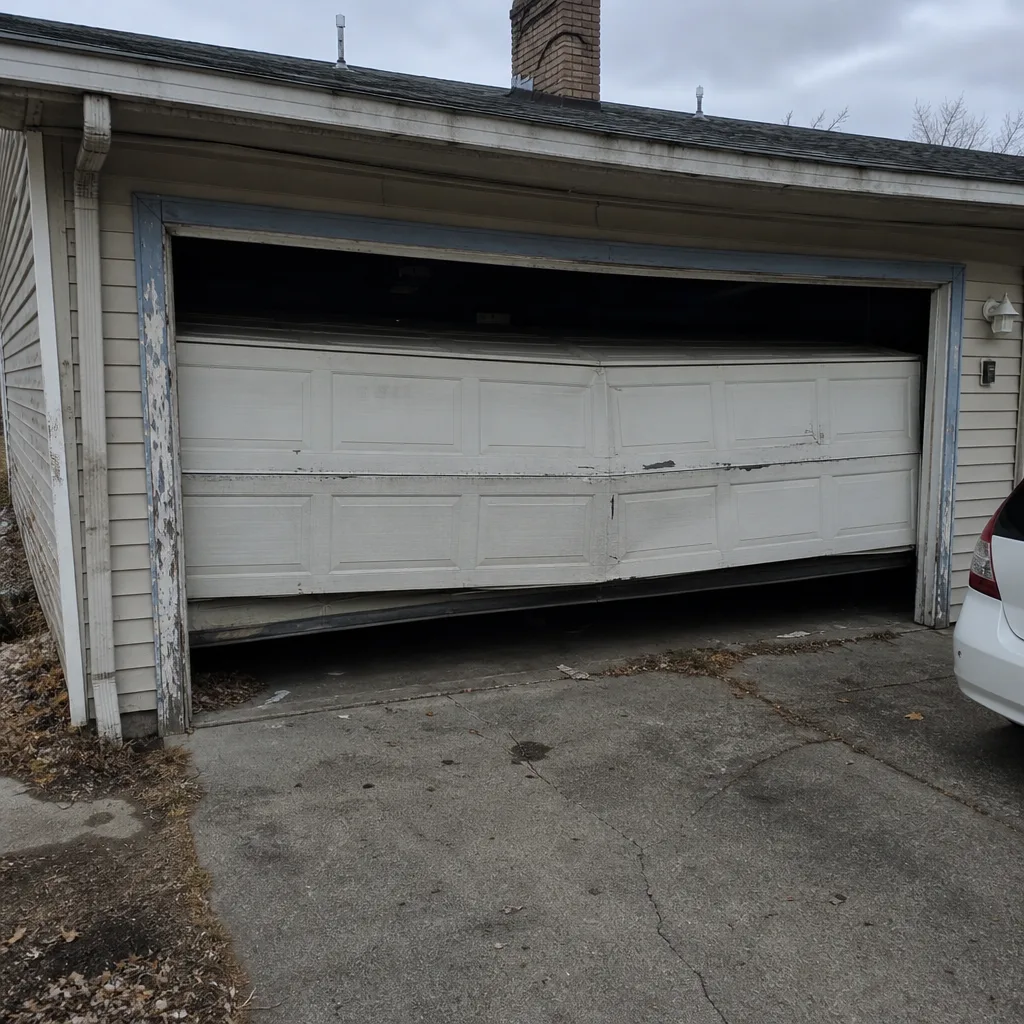 Before
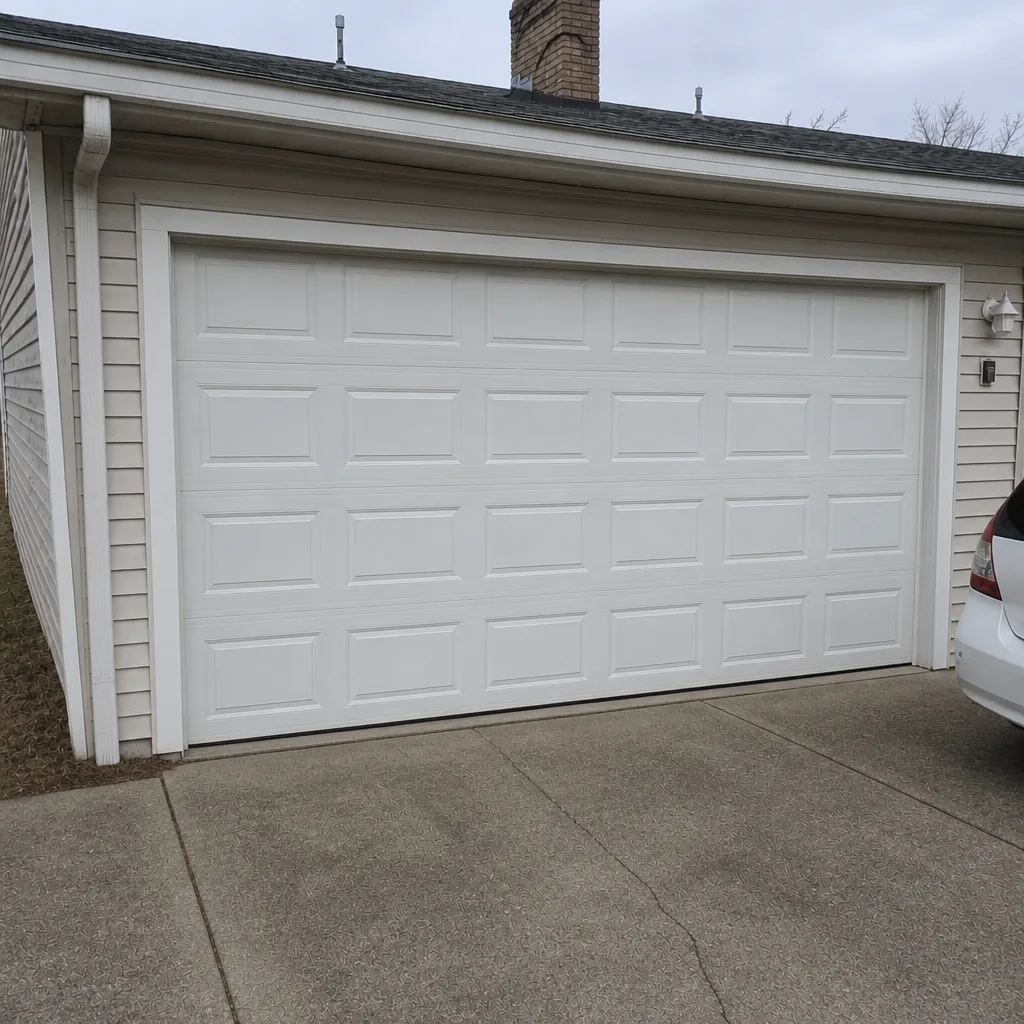 After
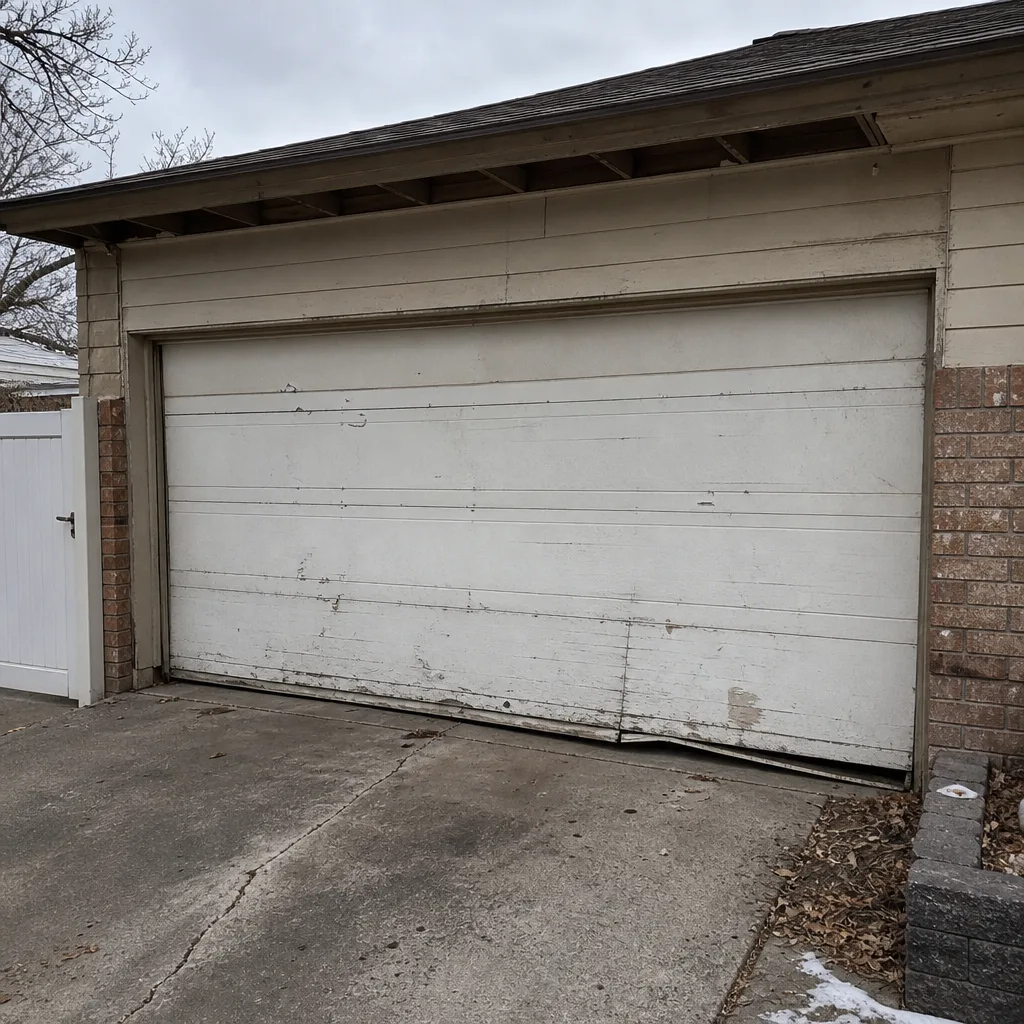 Before
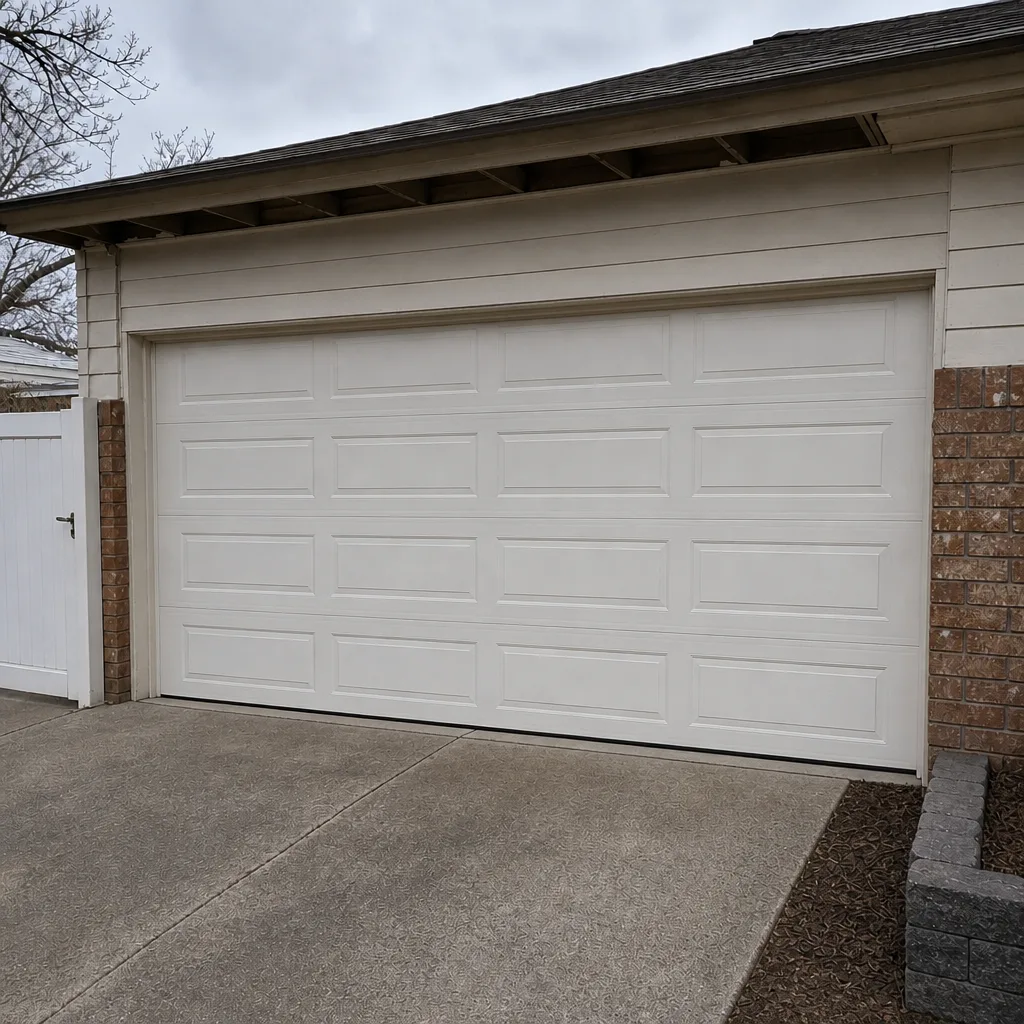 After
Common Mistakes to Avoid
- Assuming the opener is always the problem. Most opener symptoms trace back to the door’s mechanics. Get the door’s balance and travel checked before you consider replacing the opener. Replacing a healthy opener doesn’t fix a binding door.
- Bending a track back by hand. A track that’s “close enough” after a hand-bend causes rapid roller wear and can take a spring out with it. Tracks need to be jigged and measured to be right.
- Adjusting the opener’s force limit to make the door run. Every upward adjustment on the force limit reduces the safety margin. If the door keeps tripping the limit, the door is binding, and the force limit is doing its job.
- Ignoring a cold-morning failure as a fluke. A door that only fails when it’s cold is a door with a worn component that’s already failing. The next failure won’t necessarily wait for a cold snap.
- Trying a spring or cable repair yourself. A torsion spring carries stored force even when the door is closed, and a release during DIY work has caused serious injuries. This is the one category to always call in.
- Lubricating the spring coils and calling it maintenance. Lubricant on a spring doesn’t fix the wear that causes the spring to fail, and the response can be to ignore the actual warning signs. Lubrication is a Tier 1 task, not a fix.
- Waiting on a Tier 2 sign until it becomes a Tier 3 sign. A grinding door is annoying. A grinding door that becomes a snapped spring in the middle of a West Valley City winter is a bigger job, a longer wait for a repair visit, and a real safety concern. The two-week window on Tier 2 signs matters.
When to Call a Professional
Call us if you see any Tier 3 sign: a snapped spring, a hanging or frayed cable, a door that won’t stay up, heavy popping from the torsion bar, or a door that has visibly sagged on one side. Call us if you’re seeing a Tier 2 sign and it’s been more than a couple of weeks: grinding, popping, a reversing door, a bent track, or cold-morning failures. And call us if a door you thought was fine has started to feel or sound different over the last few months. A phone conversation is the fastest way to know what you’re dealing with.
Auburn Garage Door Service offers free estimates in West Valley City. Call (844) 834-4689. We answer 24/7. Fast dispatch from 7am to 7pm, Sunday through Friday. The price is written and agreed before any work starts. If the estimate turns into a repair, you’ll know the price before the technician reaches for a tool. If you’re already dealing with a broken door and just need an opener checked, our garage door opener repair team can handle that as well. If your door has reached the end of its useful life, we also do new installs across Wayne Dalton, Raynor, Clopay, and Amarr lines.
Frequently Asked Questions
The most serious warning signs are a snapped spring, a frayed or hanging cable, a door that won’t stay up when lifted by hand, and heavy popping from the torsion bar. Any of these means stop using the door and call a trained technician before the door cycles again. A door in this state can fall with stored force. Call (844) 834-4689 for an exact quote on a repair. Estimates are free.
No. A reversing garage door is a sensor problem in many cases, but not all of them. In our experience, a meaningful share of reversing-door calls trace back to a spring or cable tension issue rather than the safety sensors. If cleaning the sensor lenses and checking for sun glare doesn’t fix it, the door needs a mechanical inspection before you keep cycling it. A door that reverses because of a mechanical issue is the case where continuing to use it can end in a fall. Call (844) 834-4689 to walk through the symptoms.
It means the door’s spring or roller system is near the end of its useful life and the cold is enough to push it over. Cold thickens lubricant and reduces spring tension, so a component that’s already worn can lift the door at 60 degrees and fail at 20. Cold-morning failures are a Tier 2 sign. They should be scheduled within a couple of weeks, not treated as a fluke. Call (844) 834-4689 for an estimate.
It depends on the tier. Tier 1 signs (light squeaks, occasional remote issues, minor cosmetic dents) can wait until your next service. Tier 2 signs (grinding, popping, a bent track, a reversing door, cold-morning failures) should be scheduled within two weeks. Tier 3 signs (a snapped spring, a hanging cable, a door that won’t stay up) mean stop using the door now and call immediately. If you’re unsure which tier you’re in, call (844) 834-4689 and describe it. We answer 24/7. Fast dispatch from 7am to 7pm, Sunday through Friday.
For most Tier 1 signs, yes: lubrication, remote batteries, and cleaning the safety sensor lenses are all safe homeowner tasks. For anything involving the springs, cables, track, or door alignment, no. A torsion spring carries stored force even when the door is closed, and a release under the wrong conditions can cause serious injury. Book a technician. Call (844) 834-4689 to schedule an estimate.
It can be. A door that works most of the time and occasionally fails is one of the situations most often ignored and most often worth a call. Intermittent failures usually point to a marginal component, and marginal components get worse. If the failure is consistently in a specific part of the door’s travel or in cold weather, treat it as Tier 2. If it happens with the door at rest, or is accompanied by grinding or popping, treat it as more urgent and stop cycling the door. Call (844) 834-4689 for an exact quote.
The Bottom Line
Warning signs on a garage door aren’t a single category. They sort into three tiers, and the difference between a squeak that can wait and a snapped spring that can’t is exactly the difference that keeps you, your family, and your vehicle safe. Use the tier system as your first filter. Decode the noises to narrow down which component is failing. Read the visual signs, focusing on track, spring, and cable movement rather than panel dents. Take cold-morning failures seriously, because they’re the earliest and clearest signal that the door is near the end of a component’s life. West Valley City winters and temperature swings are hard on a door’s mechanical parts, and a ten-minute seasonal check catches most of what we’d otherwise find on a service visit. When something moves into Tier 3, stop using the door and call. A free estimate costs you nothing, and getting the door checked before a failure costs you far less than the repair after one.
Call (844) 834-4689 for a free estimate. We answer 24/7. Fast dispatch from 7am to 7pm, Sunday through Friday. Garage doors are all we do, and we work with the brand you already have, from a stuck spring to a full new door.
Written by the team at Auburn Garage Door Service.