
Last updated November 16, 2026
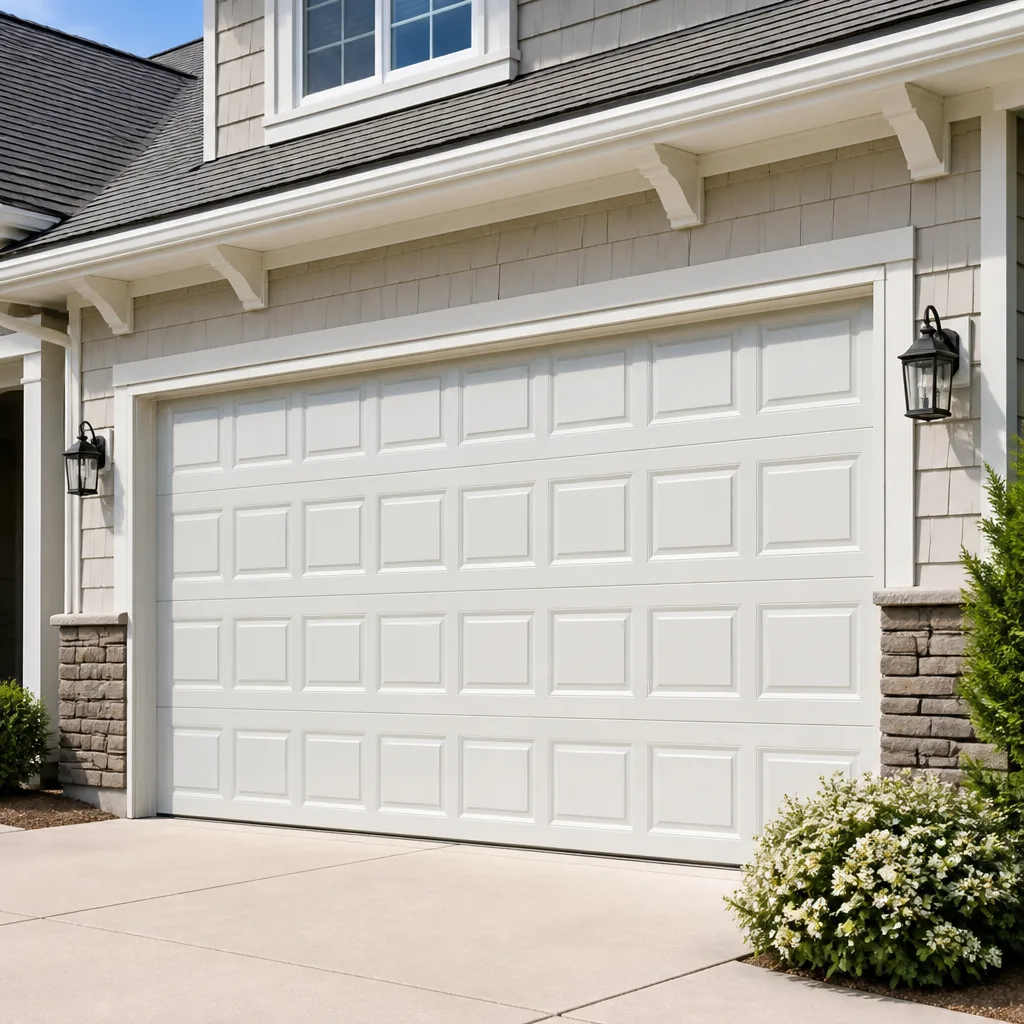 Raised-panel steel
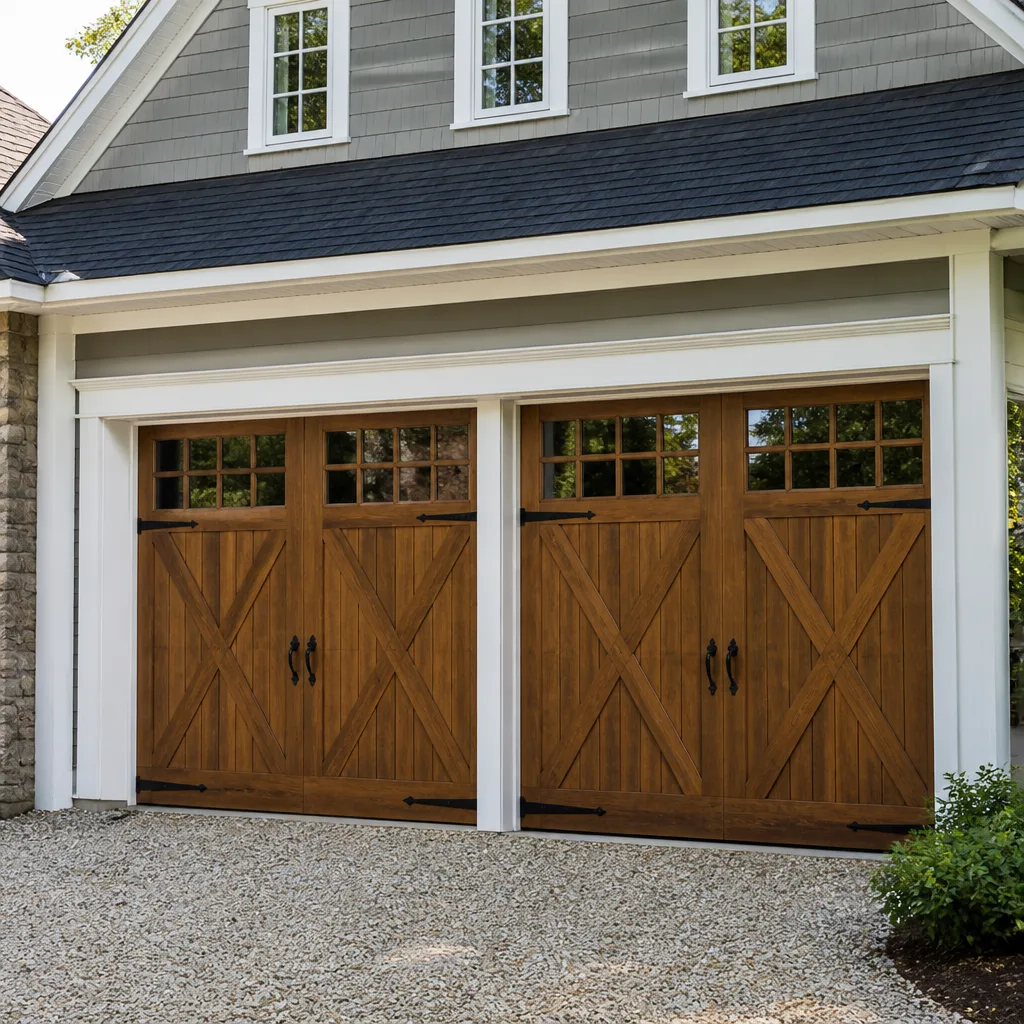 Carriage house
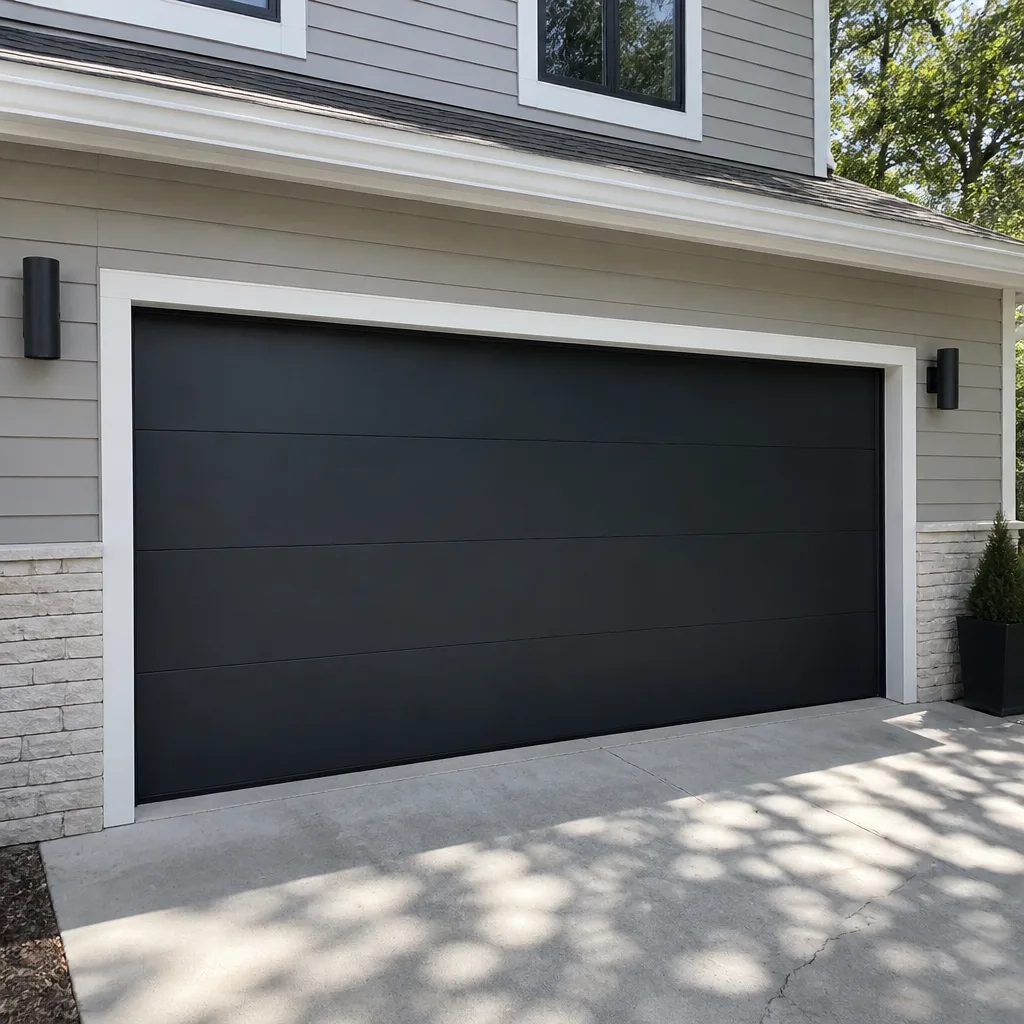 Modern flush
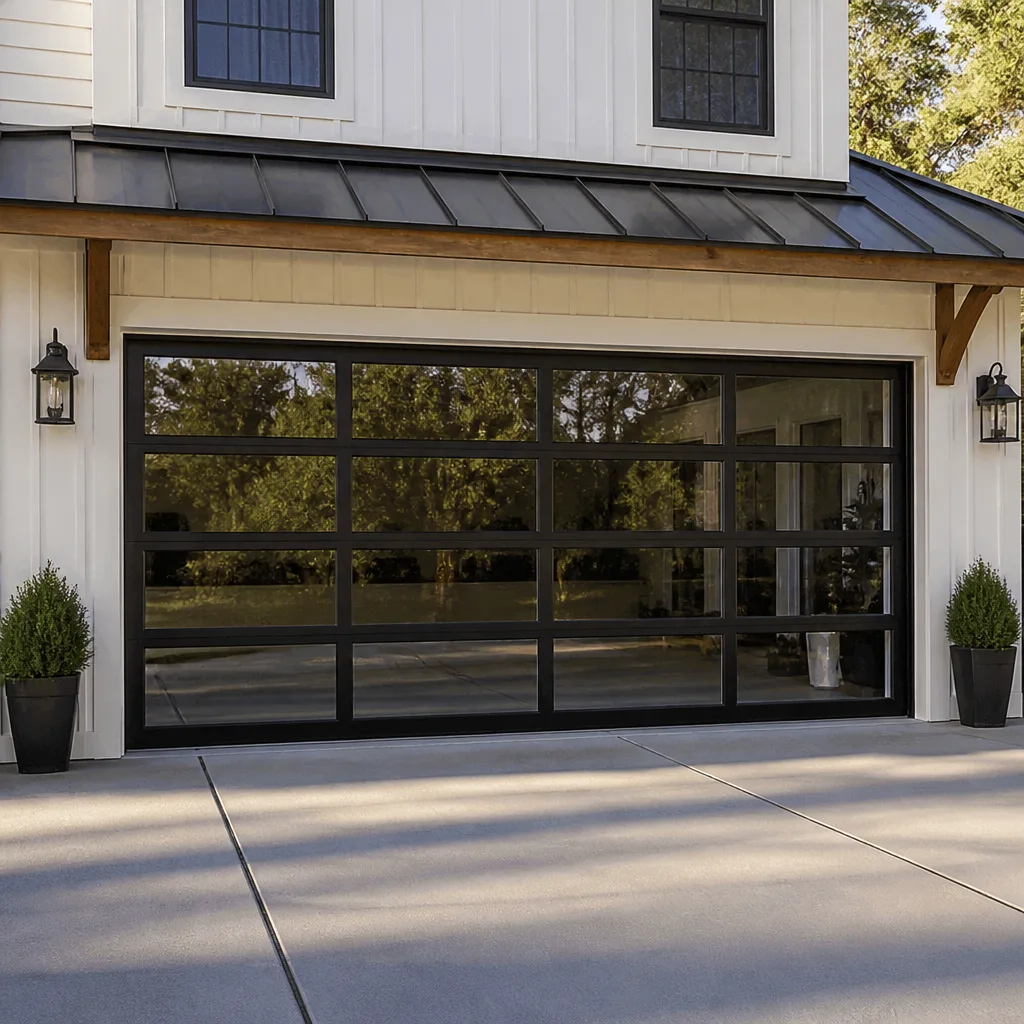 Full-view glass
 LiftMaster openers
 Chamberlain openers
Full 25-point door and opener safety check with every visit - springs, cables, rollers, tracks, and your LiftMaster or Chamberlain opener included
You get a price before we start. It does not change when the pro arrives.
Get your free estimateSeasonal Garage Door Care for West Valley City: Year-Round Homeowner’s Guide
Most homeowners treat a garage door like an appliance: it works until it doesn’t, and then they call someone. That approach gets expensive in West Valley City, where the weather swings harder across a single year than in most of the country. The month that breaks the most torsion springs here isn’t January. It’s late October, when 70°F afternoons collapse into sub-freezing nights and the metal fatigue that built up all summer finally lets go. Cold doesn’t cause most failures. The rapid back-and-forth between warm and cold does. This guide walks through what each West Valley City season does to your door, opener and weatherstripping, and the specific checks that catch problems before they strand your car.
Quick Answer
Garage doors in West Valley City should be inspected and lubricated once per season, with the most important pre-winter check happening in October before the first hard freeze. Spring, summer and fall each stress different parts of the system: freeze-thaw cycling loosens bottom seals, high-altitude UV bakes vinyl and paint, and cold snaps crack tired torsion springs. A five-minute monthly balance and lubrication check catches most of what turns into a repair call.
Styles & brands we work with
- Raised-panel steel
- Carriage house
- Modern flush
- Full-view glass
- LiftMaster openers
- Chamberlain openers
Table of Contents
- Why West Valley City Seasons Hit Garage Doors Harder Than You’d Think
- Spring: Freeze-Thaw Cycling and the Bottom Seal
- Summer: UV Damage on Vinyl and Painted Steel
- Fall: The Pre-Winter Prep Sequence
- Winter: Inversions, Road Salt and Opener Electronics
- The Five-Minute Task That Prevents Most Cold-Weather Calls
- A Year-Round Garage Door Care Calendar
- Common Mistakes to Avoid
- When to Call a Professional
Why West Valley City Seasons Hit Garage Doors Harder Than You’d Think
West Valley City sits in the Salt Lake Valley at an elevation that shapes its weather in specific ways. The high-altitude sun is intense even in the cooler months. The valley traps cold air in winter under inversions. Concrete driveways and garage slabs expand and contract through repeated freeze-thaw cycles every spring. Late summer brings monsoon moisture that arrives fast and leaves standing water against door seals. None of these conditions are dramatic on their own, but together they hit a garage door’s metal, seals and electronics from four directions across a single calendar year.
Garage doors are a mechanical system with moving parts under constant tension. A torsion spring stores enormous force, and every open-and-close cycle works that coil a little farther along its life. Add temperature swings that cause metal to expand, contract and fatigue, and the failure points become predictable. We’ve found this pattern holds across the neighborhoods we serve, from the older homes near the Granger area to newer construction out toward the western bench, where exposed lots catch more wind and afternoon sun.
The payoff for seasonal care is real. A door that gets an inspection each season sees fewer emergency repair calls, keeps its weatherstripping intact longer, and lets you catch a stretched cable or a worn roller before it turns into a jammed door. The rest of this guide breaks down what to check when, and why each season asks for something different.
Spring: Freeze-Thaw Cycling and the Bottom Seal
Spring is when the ground shifts. Through winter, moisture works into the concrete slab and the soil around your driveway, then freezes and expands. As it thaws, the ground settles and the concrete floor of your garage can move slightly. That movement is small, but a bottom weatherstripping seal that sat flush in November can end up with a visible gap by March. This is one of the most common spring issues we see in West Valley City, and it’s also the easiest to catch before it becomes a problem.
A gap under the bottom seal isn’t just a draft. It’s a doorway. Field mice, insects and cold air all find that gap, and once pests get into a garage, they tend to stay. Here’s the spring inspection sequence we recommend:
- Close the door fully and look for daylight along the entire bottom edge. Any light showing through means air and pests can get in.
- Run a hand along the seal to check for stiff, cracked or torn rubber. A seal that feels brittle has lost its flexibility.
- Check the gap at both corners of the bottom edge. Corners are where freeze-thaw movement shows up first.
- Look at the concrete floor seam where the door meets the slab. Hairline cracking in the concrete is normal, but a shifting seam that leaves a straight gap needs attention.
- Inspect the side seals and top seal for the same stiffness and cracking. Spring is the season to replace all three if they’ve aged together.
If the seal is cracked or stiff, it needs replacement rather than a cosmetic patch. A fresh bottom seal restores the barrier and takes load off the door’s balance. A garage door repair visit can handle the seal swap alongside a full inspection, which is worth scheduling in spring if the door has been sitting through a hard winter.
Summer: UV Damage on Vinyl and Painted Steel
Summer in West Valley City brings intense sun and dry air. The elevation makes the UV stronger than most homeowners expect, and garage doors take the full brunt of it on the south and west faces of a house. Vinyl trim, plastic hinges and painted steel panels all degrade under that exposure, but the damage happens quietly. Fading is the visible sign. Brittleness is the real problem underneath it.
When a vinyl or plastic component fades, it’s usually a sign the UV has been breaking down the material’s chemical structure. A sun-bleached hinge or trim piece that looks a little chalky in July can be cracking and snapping by the following spring. Painted steel panels behave the same way: the paint film takes the UV hit first, and once it chalks, the steel underneath starts to lose its protective layer. Rust follows. A door that fades from a rich color to a pale one in a few summers is showing you the material is losing strength, not just color.
What to check each summer:
- Look for chalky residue on painted panels when you rub a clean cloth across them. That chalk is the paint film breaking down.
- Check hinges and rollers for fading and cracking. Plastic rollers and hinges degrade faster than metal ones, especially on west-facing doors.
- Inspect the bottom seal and side seals again for sun-baked rubber. Utah summers can crack a seal that was fine in May.
- Look at any vinyl trim or decorative panels for a faded, milky appearance that indicates UV breakdown.
- Wash and wax the door once in early summer. A clean wax layer slows UV damage on painted steel and gives you a fresh surface to inspect.
If your panels are fading or the trim is starting to crack, that’s a sign the door is aging into the range where replacement may beat repeated repairs. Brands like Clopay, Amarr, Wayne Dalton and Raynor all offer finish systems designed for high-UV climates, and a specialist can tell you whether patching or replacing makes more sense for your specific door. Summer is also a fine time to think ahead to winter, when a garage door opener repair call is a lot less convenient than one scheduled in the warm months.
Fall: The Pre-Winter Prep Sequence
Fall is the most important season for garage door care in West Valley City, and the timing matters more than the calendar suggests. Late October brings the sharp swing between warm afternoons and freezing nights that catches metal components off guard. A torsion spring that’s been slowly losing strength all summer is most likely to break in that window. Preparing the door before the first hard freeze prevents a lot of cold-weather service calls, and it also protects the components from locking into stressed positions over winter.
Here’s the specific pre-winter sequence we recommend, done in order before the first hard freeze:
- Lubricate the torsion springs, hinges and rollers with a garage-door-specific lubricant. Avoid heavy grease, which thickens in cold and collects grit.
- Test the balance of the door. Disconnect the opener, lift the door halfway, and let it go. A balanced door stays put. A door that drops or rises has weakened springs and needs attention before winter.
- Inspect the torsion spring and cables for gaps, fraying and loose coils. Look carefully, but don’t touch. Springs and cables are under extreme tension and are genuinely dangerous to handle without the right tools and training.
- Check all rollers and hinges for wear. Replace any roller that wobbles or shows flat spots on the wheel.
- Test the opener’s safety reverse by placing a piece of wood on the floor under the closing door. The door should reverse on contact.
- Adjust the opener’s force and travel settings if cold-weather operation feels stiff. A door that barely closes in summer may not close at all in January if the settings are off.
This is also the season to have a specialist look at the door if anything feels off. A pre-winter inspection is a lot cheaper than a spring replacement in the middle of a cold snap, and it’s the one seasonal task that’s easiest to postpone and hardest to regret skipping.
Winter: Inversions, Road Salt and Opener Electronics
Winter in West Valley City brings two environmental conditions that hurt garage door openers specifically. The first is the temperature inversion. Cold air settles in the valley and traps a layer of colder, denser air close to the ground, which means the inside of your garage can drop several degrees colder than the number on the weather app. The second is road salt, which comes in on your car’s undercarriage and tires, drips onto the garage floor, and slowly works its way into the environment around your opener and door hardware.
Salt spray and cold temperatures combine badly for electronics. The circuit boards inside openers like LiftMaster and Chamberlain units are sealed from the weather but not from the cold-weather behavior of the mechanical parts they drive. Cold makes the door harder to move, which stresses the opener’s motor and force settings. Salt and moisture on the mounting hardware can also cause corrosion that loosens connections or creates binding in the door’s travel. The result is the classic winter complaint: the door opens fine but won’t close all the way, or the opener reverses on its own before the door reaches the floor.
Cold-weather opener adjustments worth making before the depths of winter:
- Check the safety sensors at the bottom of the track. Cold and moisture can fog the lenses or shift the alignment. Clear them and confirm the indicator lights are solid.
- Test the force settings on the opener. Cold-thickened lubricant makes the door harder to move, and a force setting calibrated in summer can fail to close the door in winter.
- Keep the garage floor dry around the opener where possible. Salt and moisture accelerate corrosion on mounting brackets and hardware.
- Lubricate hinges and rollers again in mid-winter if the door sounds louder than usual. Cold metal needs more help, not less.
- Watch for a door that reverses without an obstruction. That’s usually a sensor or force-setting issue, and it’s a common winter garage door opener repair call.
For owners with LiftMaster or Chamberlain openers, the smart-home features aren’t affected by cold, but the mechanical response can be. Trust the app less and the physical door more in winter. If the app says closed and the door is 4 inches off the floor, the app is wrong.
The Five-Minute Task That Prevents Most Cold-Weather Calls
If you take one habit from this guide, make it this one: test your door’s balance once a month, year-round, and always in the first week of October. It takes less than five minutes, requires no tools beyond your hands, and it catches the single most common reason for a “my door won’t open” call in West Valley City’s cold months.
The balance test works because a garage door is built to be nearly weightless when its springs are healthy. The springs counterbalance the door’s weight, so the opener only has to push a few pounds. When springs weaken, the door becomes heavy, and the opener has to work harder than it’s designed to. The result is a door that strains, reverses, or leaves the opener struggling until it fails. Cold weather just accelerates the failure.
Here’s the test, in order:
- Close the door and pull the manual release cord to disconnect the opener. The door is now on its springs alone.
- Lift the door by hand to about waist height and let it go.
- Watch what it does. A balanced door stays where you left it. A door that drops has weak springs. A door that rises on its own has springs that are over-tensioned.
- Reconnect the opener by moving the door back to the closed position until the carriage clicks into place.
- Repeat the test monthly, and note any change. Springs lose strength gradually, and the change month to month is often more telling than any single test.
If the door’s balance is off, the fix isn’t a hard open. It’s an adjustment or spring replacement, and that’s the work we don’t recommend for homeowners. Torsion springs and cables store enough energy to cause serious injury, and the tools and technique required are specific. A trained technician can reset the balance safely in a single visit.
A Year-Round Garage Door Care Calendar
Here’s the full seasonal plan in one place. Save it, or print it and stick it on the garage wall. West Valley City’s four seasons each demand different checks, and the calendar makes the schedule easy to follow.
- January: Test opener safety reverse. Check for salt-related corrosion on hinges and mounting hardware. Clear snow and ice from the bottom seal.
- February: Lubricate hinges, rollers and springs. Listen for new noises that weren’t there in fall.
- March: Spring freeze-thaw inspection. Check the bottom seal for daylight gaps. Inspect side and top seals.
- April: Test door balance. Check all hinges and rollers for wear. Replace the bottom seal if it’s stiff or cracked.
- May: Wash and wax painted panels. Check vinyl trim for fading and brittleness.
- June: Re-check seals after the first hot stretch. Inspect for chalky paint and UV damage. Test opener force settings.
- July: Test door balance again. Look at west-facing panels for sun damage. Check the opener’s safety sensors for debris and fogging.
- August: Inspect door and seals after monsoon moisture. Check for water intrusion at the bottom seal and side gaps.
- September: Begin the pre-winter prep sequence. Lubricate and inspect springs, cables and rollers.
- October: Complete pre-winter prep before the first hard freeze. Adjust opener force settings. Book a specialist inspection if the balance is off.
- November: Test the balance test again in the cold. Confirm the safety reverse works. Check the door’s closing force.
- December: Mid-winter lubrication. Address any cold-weather opener issues before they become emergency calls.
If a full season gets skipped, that’s not a disaster. But two skipped seasons in a row is where we start seeing preventable repair calls. Call Auburn Garage Door Service if you’d rather have a specialist walk the calendar with you once a year and let you handle the rest.
Common Mistakes to Avoid
These are the habits that turn a routine repair into a bigger one, and a few are specific to West Valley City’s climate:
- Using WD-40 or heavy grease on springs and rollers. WD-40 is a solvent that strips factory lubricant and leaves parts drier than before. Heavy grease thickens in cold weather and makes the door harder to move in January than it was in July.
- Painting over a chalky steel panel without cleaning it first. West Valley City’s UV exposure chalking is a sign the paint film has broken down. Painting over it traps moisture and rust under the new coat, and the new paint fails within a year.
- Ignoring a gap under the bottom seal until summer pest season. By the time you notice mice, you’ve already lost the weather barrier. The gap is cheapest to fix in spring when it first appears.
- Adjusting torsion springs without the right tools. This is the biggest one. Torsion springs are under extreme tension, and the wind-up tools are specific. A slip can cause serious injury. Leave spring work to a trained technician.
- Skipping the October balance test because the door “still works.” The door works right up until the spring breaks. The balance test is how you catch it before it does.
- Assuming your smart opener’s app tells you the truth in winter. A LiftMaster or Chamberlain app can report the door as closed when the physical door is still 6 inches off the floor. Trust the door, not the screen.
- Letting road salt sit on the garage floor all winter. Salt-laden moisture works into mounting hardware and rollers and speeds up corrosion. A quick rinse and dry during your monthly checks extends the life of the hardware noticeably.
For the broader picture on door problems that show up between seasons, the West Valley City service page is a good starting point.
When to Call a Professional
Most of the checks in this guide are safe for a homeowner to do with eyes and hands. A few aren’t safe to handle at all. Call a specialist if the balance test shows the door dropping or rising on its own, if a torsion spring or cable looks frayed or shows gaps, if the door reverses without an obstruction, or if the opener motor strains or cycles repeatedly without moving the door. Any spring or cable work requires specialized tools and training, and the injury risk from handling them is real.
If the door’s bottom seal has failed and you’ve noticed pests in the garage, or if a panel is cracking from UV exposure, those are also worth a professional visit if you’d rather not deal with the alignment work yourself. Auburn Garage Door Service offers free estimates in West Valley City. Call (844) 834-4689. We answer 24/7. Fast dispatch from 7am to 7pm, Sunday through Friday. Our technicians have up to 9 years of experience, and they work across LiftMaster, Chamberlain, Genie, Clopay, Amarr, Wayne Dalton, Craftsman and Raynor systems. Wherever the door is in its lifecycle, we can help.
See the difference
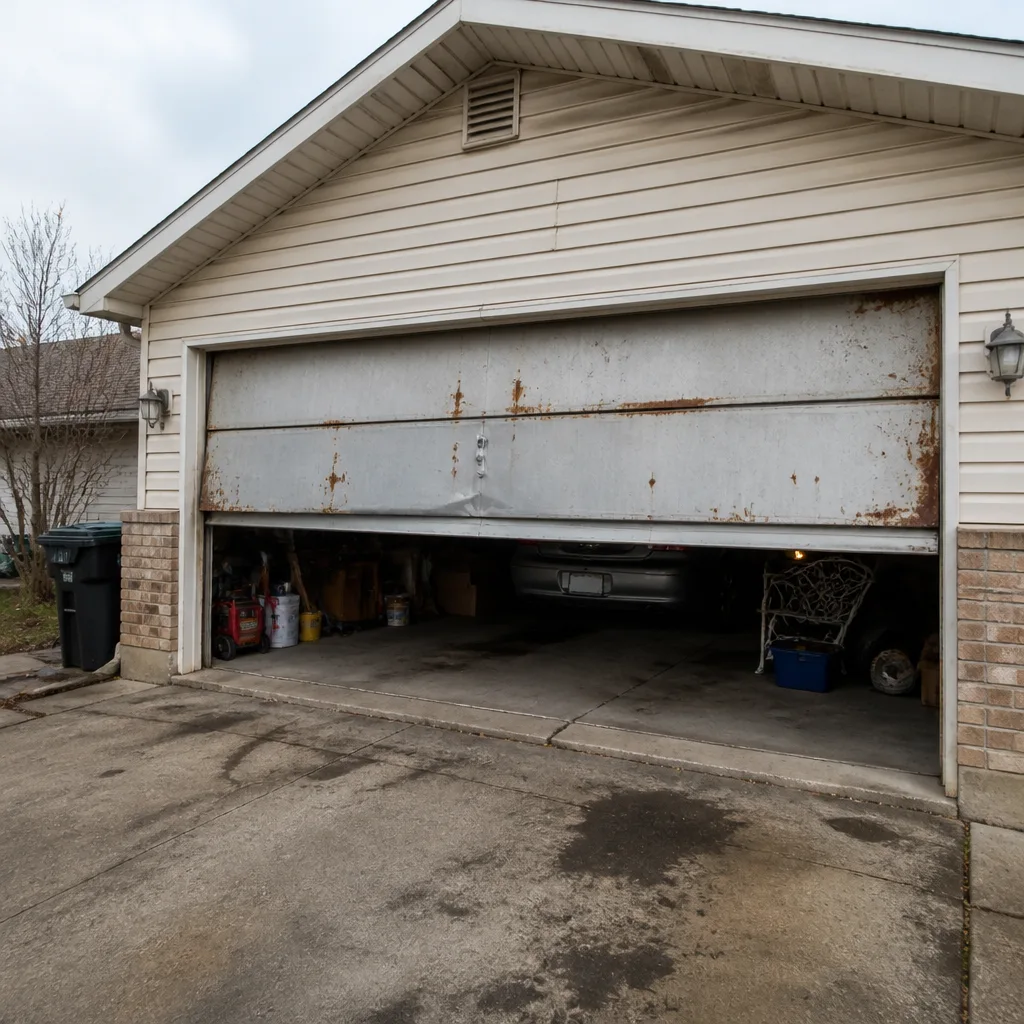 Before
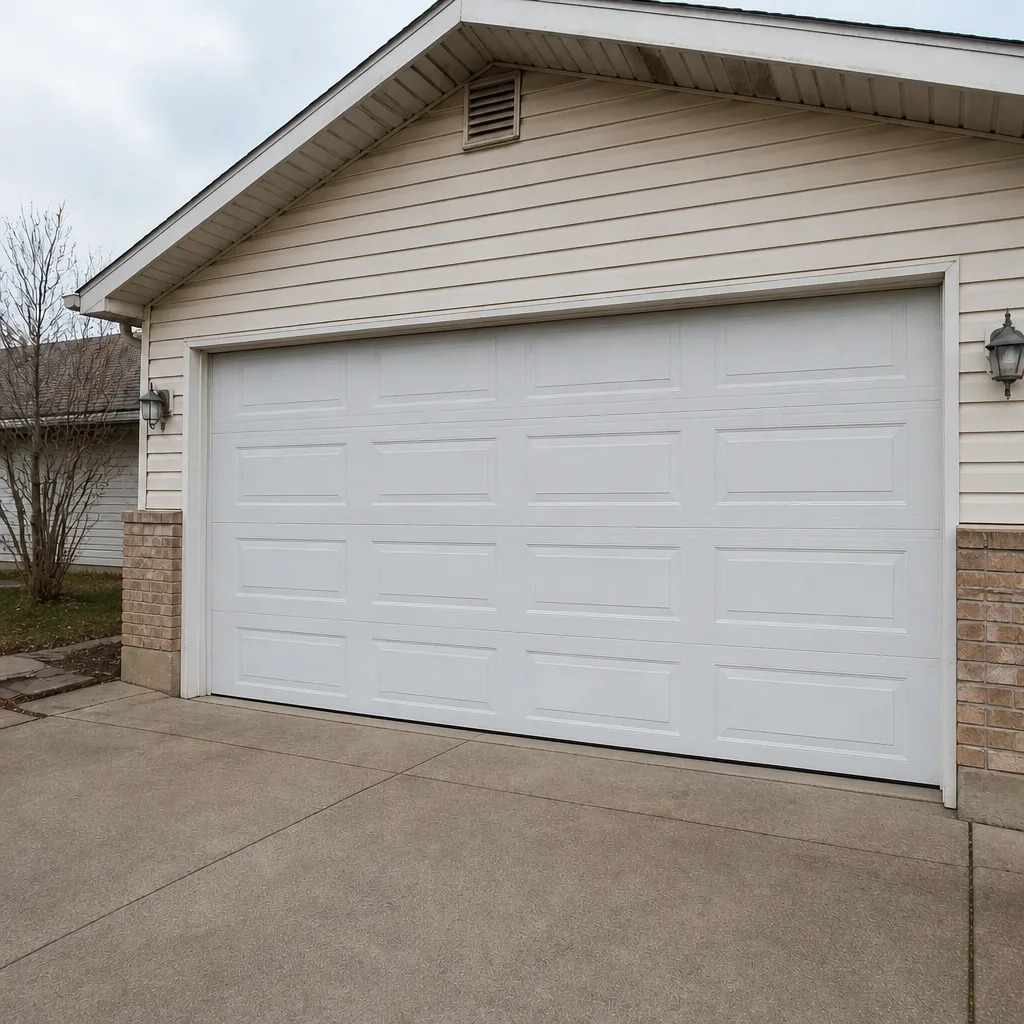 After
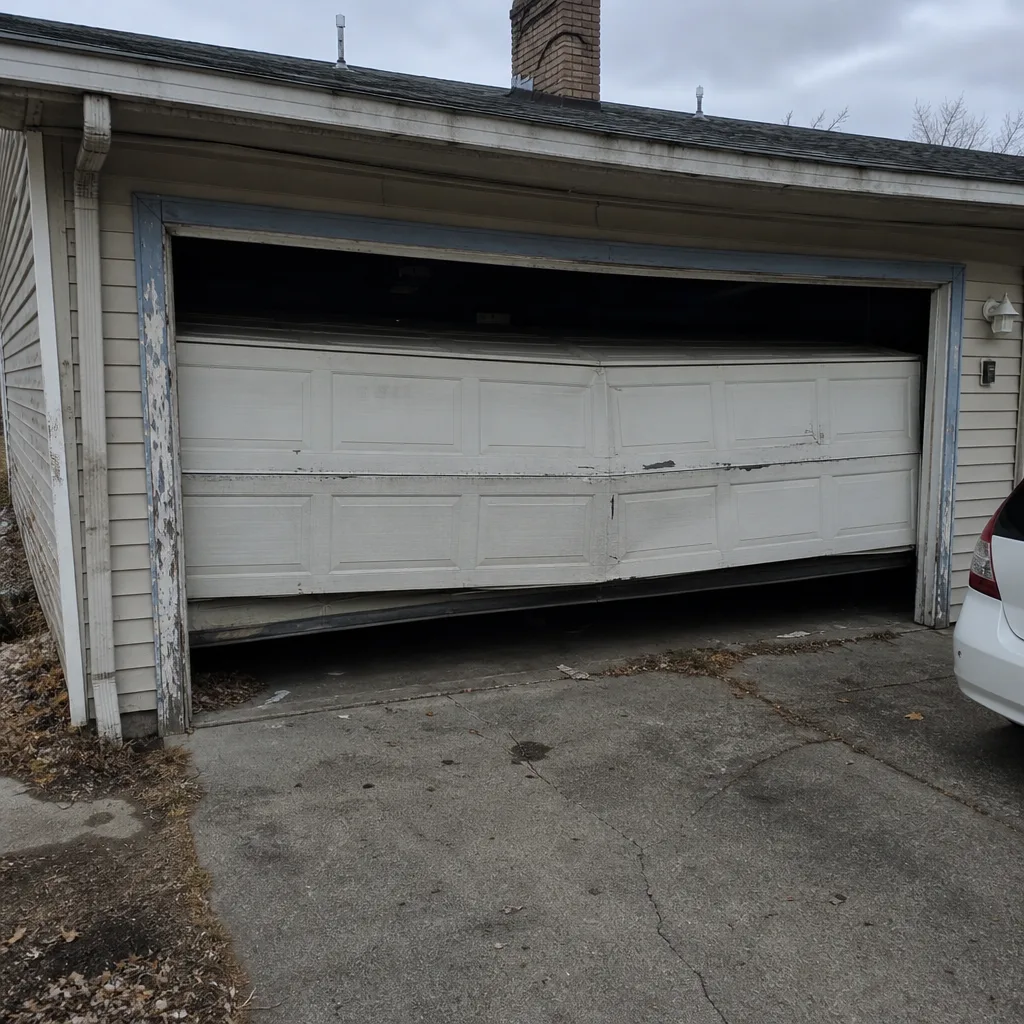 Before
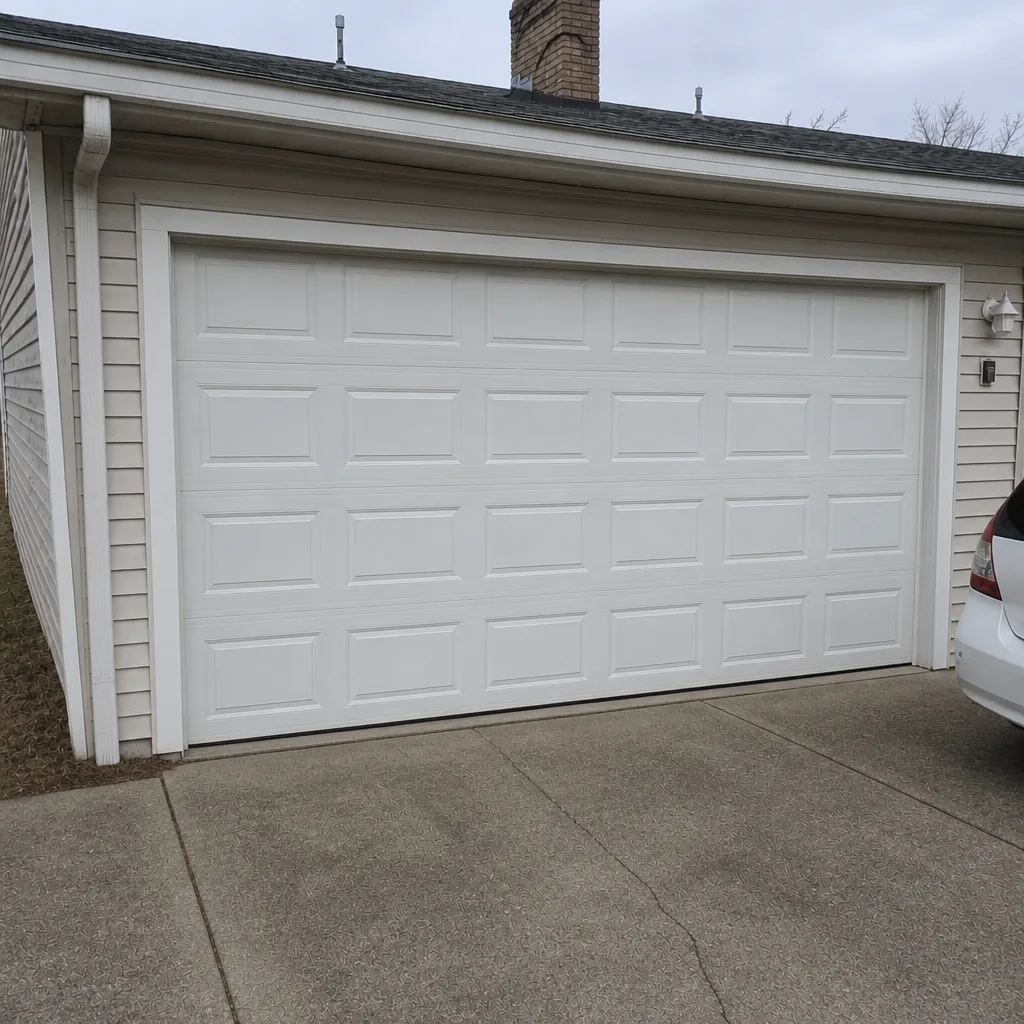 After
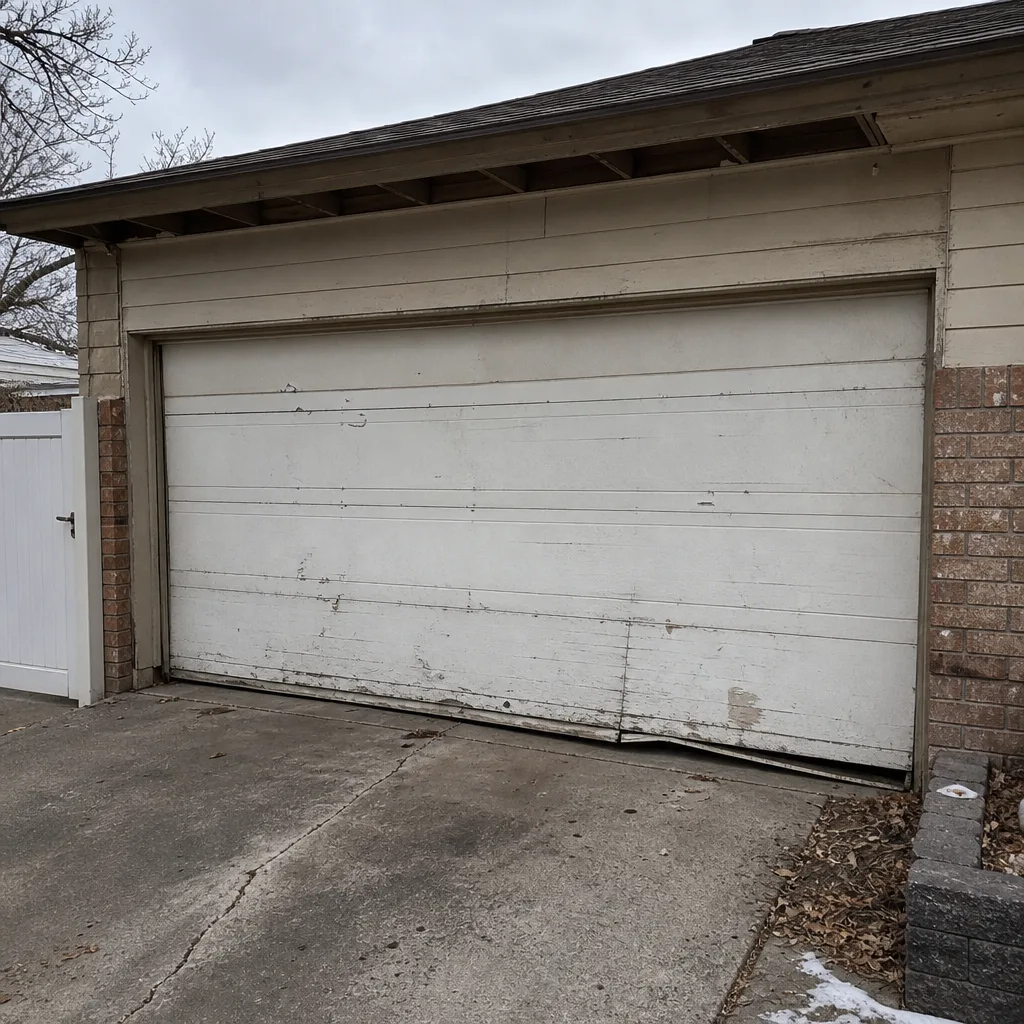 Before
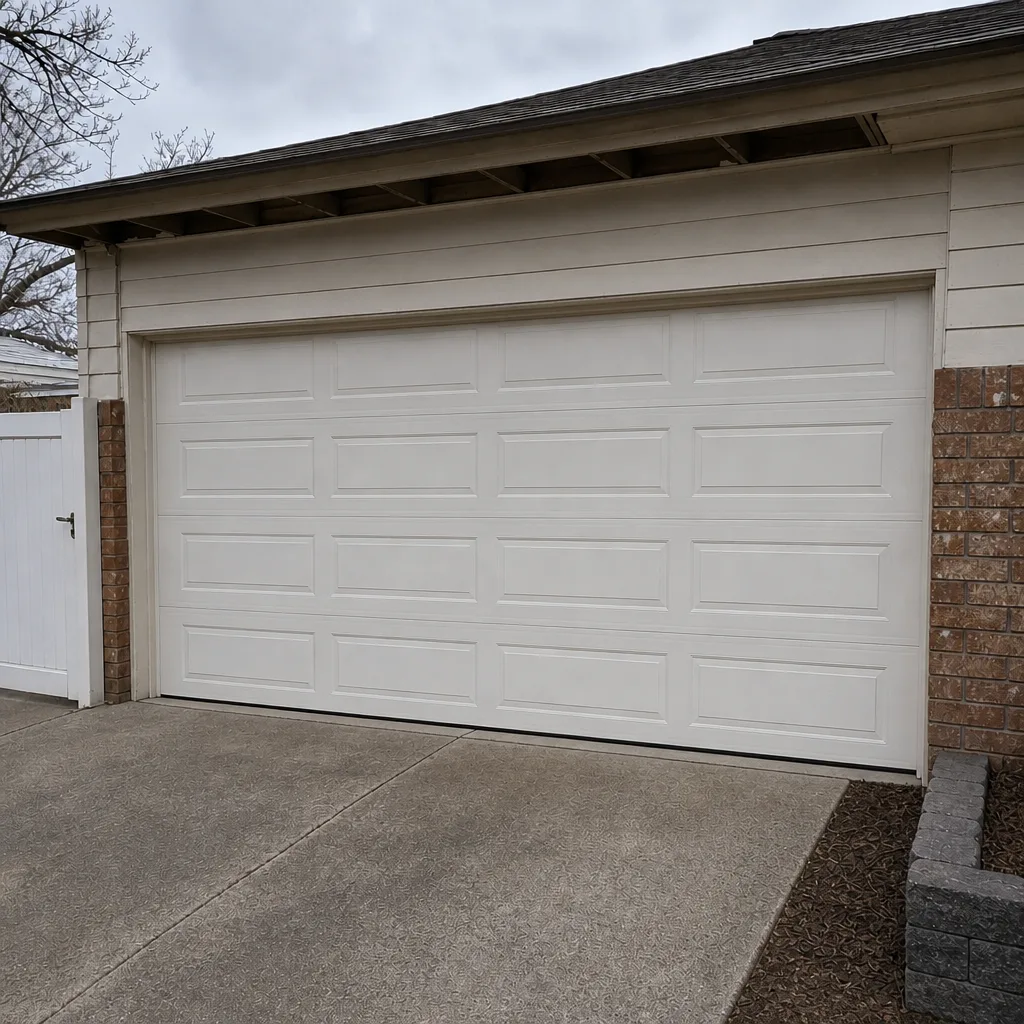 After
Frequently Asked Questions
Once per season is the right cadence for West Valley City, which means four inspections a year, with the most important one in October before the first hard freeze. Each season stresses different parts: spring tests the seals against freeze-thaw, summer tests the finish against UV, fall tests the springs before winter, and winter tests the opener against cold. A homeowner can do most seasonal checks without tools.
Late October is the highest-risk window in West Valley City because the temperature swings fastest then, not because cold itself weakens the spring. A 70°F afternoon followed by a sub-freezing night causes metal to expand and contract sharply, and the fatigue that built up all summer finally gives way. The first hard freeze of the year tends to be the breaking point for a spring that was already weakened.
Force adjustments vary by opener model, and on some LiftMaster, Chamberlain, Genie and Craftsman units the adjustment screws are clearly labeled and easy to reach. If your manual has a clear procedure, you can usually follow it. If the door’s behavior doesn’t change after the adjustment, or if the opener reverses repeatedly, stop and call a technician rather than continue raising the force, which can strain the motor and wear the door. Call (844) 834-4689 for an exact quote on a diagnosis. Estimates are free.
Wash and wax painted steel panels once in early summer, and again in late summer if the door faces south or west. Wax slows UV damage and gives you a clean surface to spot chalking early. If the paint is already chalky, it needs to be cleaned and re-coated rather than just waxed. For doors with significant fading, replacing panels or the entire door may become the cheaper option than repeated refinishing, and Clopay, Amarr, Wayne Dalton and Raynor all offer finishes built for high-UV climates.
Salt itself doesn’t typically reach the opener’s circuit board directly, but salt-laden moisture on the floor and in the air around the garage does accelerate corrosion on the opener’s mounting hardware, the door’s hinges and the roller brackets. Wiping down the hardware periodically and keeping the garage floor dry where possible slows that damage considerably. A LiftMaster or Chamberlain opener with a clean, dry mounting surface sees fewer winter problems than one sitting above a wet, salty floor.
Garage door specialists in West Valley City are typically licensed and insured, and you should ask for both before any spring, cable or opener work begins. Auburn Garage Door Service is a dedicated single-trade specialist, meaning garage doors are all we do, and every technician arrives familiar with the exact hardware on the job. Call (844) 834-4689 for a free estimate, and confirm credentials before work starts. Estimates are free.
The Bottom Line
West Valley City’s seasons push on garage doors from four directions, and each season asks for a different check. Spring is about freeze-thaw and bottom seals. Summer is about UV and paint. Fall is about the pre-winter prep sequence before the first hard freeze. Winter is about inversions, salt and cold-weather opener behavior. The single habit that ties it all together is the five-minute monthly balance test, and the single calendar window that matters most is October. If you’d like help with the parts of this guide that aren’t safe to handle at home, Auburn Garage Door Service can be at your door this week. Call (844) 834-4689. We answer 24/7. Fast dispatch from 7am to 7pm, Sunday through Friday.
Written by the team at Auburn Garage Door Service.