
Last updated November 16, 2026
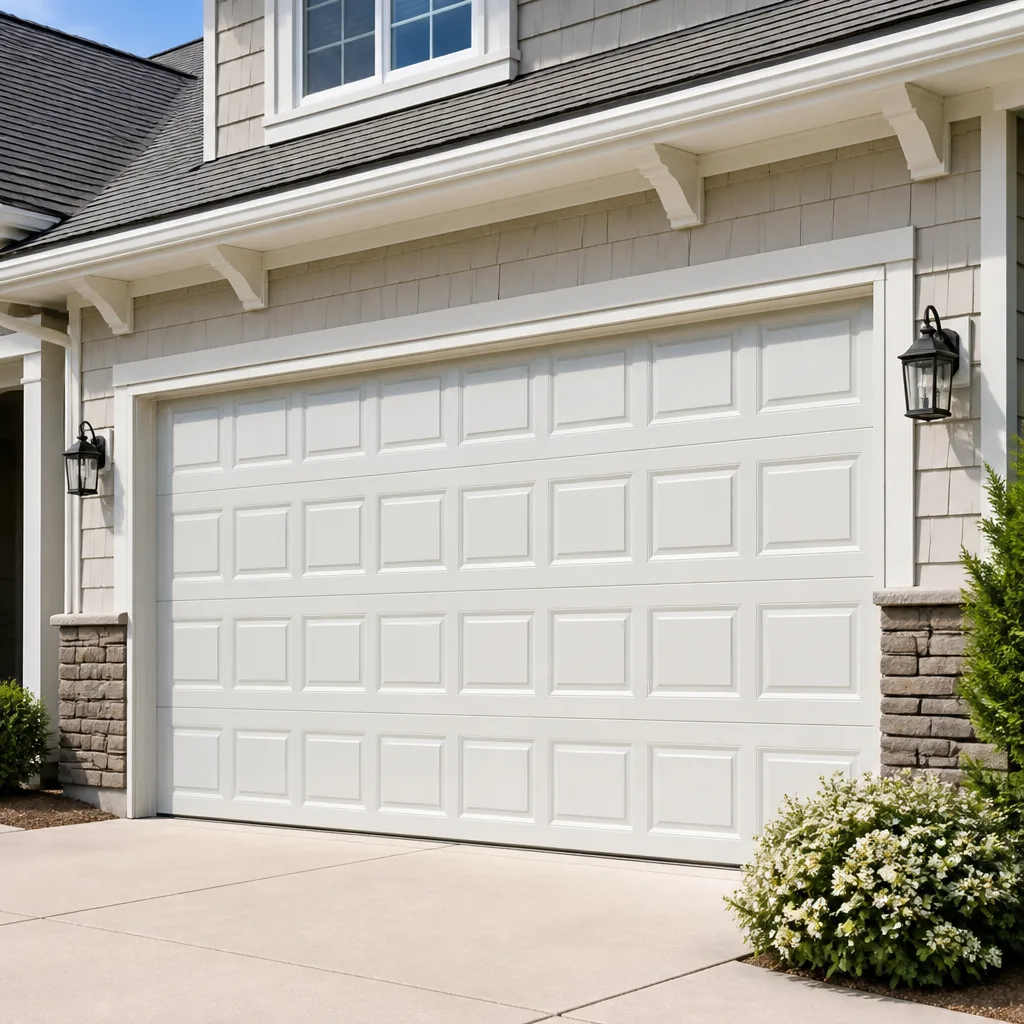 Raised-panel steel
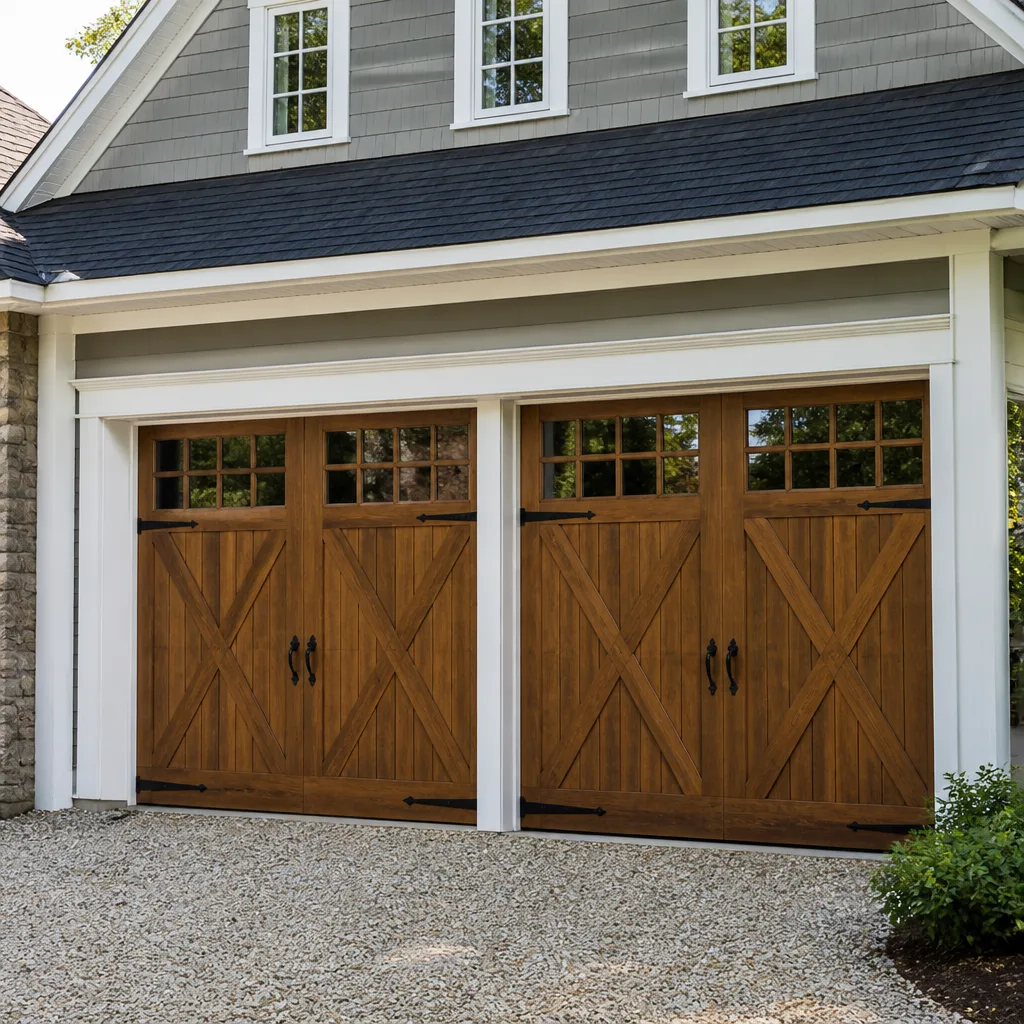 Carriage house
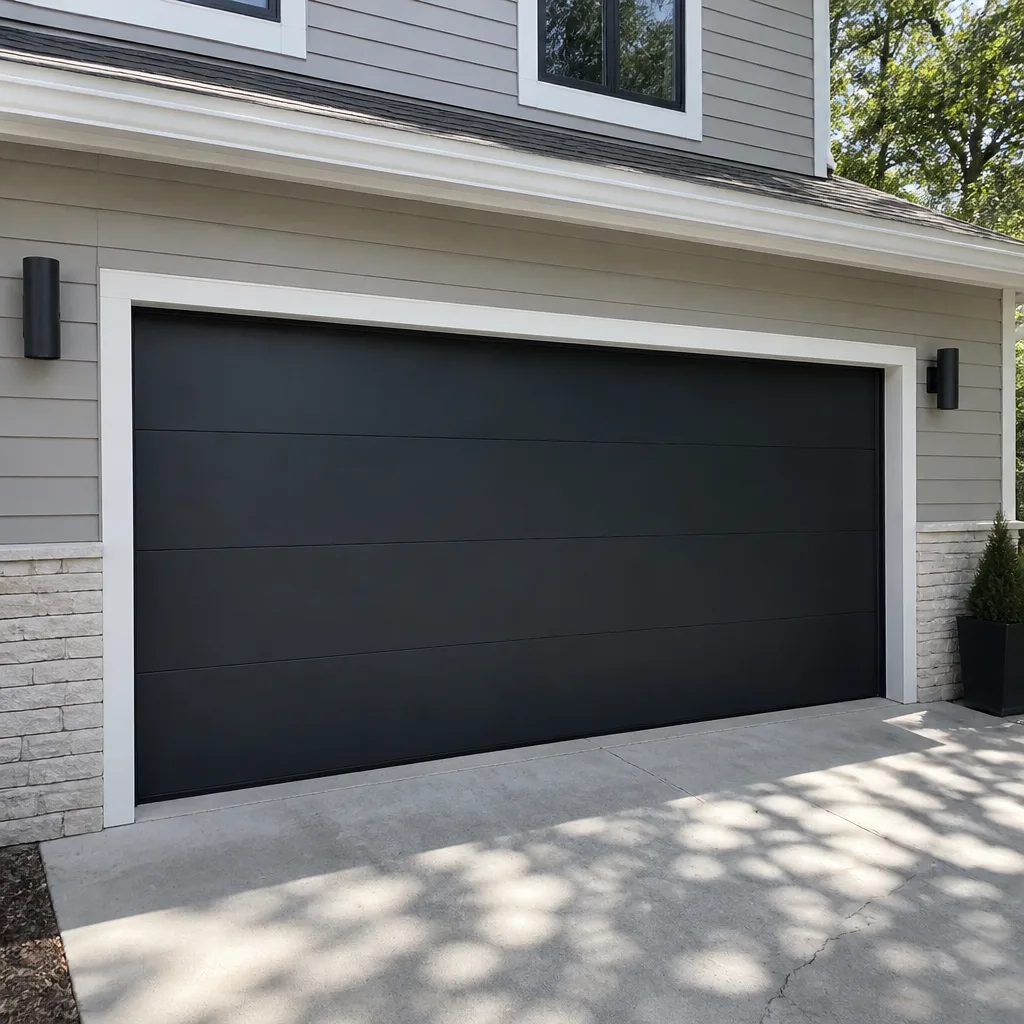 Modern flush
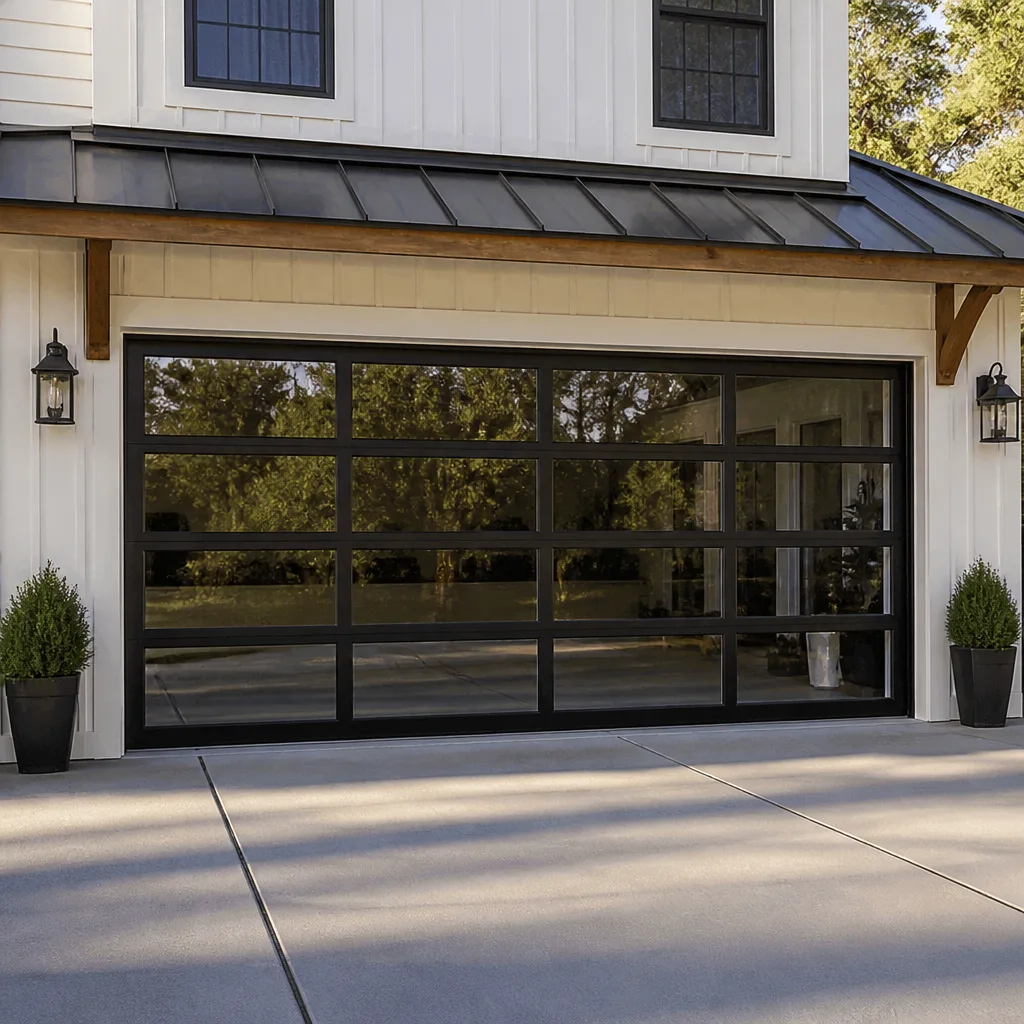 Full-view glass
 LiftMaster openers
 Chamberlain openers
Full 25-point door and opener safety check with every visit - springs, cables, rollers, tracks, and your LiftMaster or Chamberlain opener included
You get a price before we start. It does not change when the pro arrives.
Get your free estimateDIY vs Professional Garage Door: The West Valley City Homeowner’s Decision Guide
Most homeowners treat the DIY-versus-pro question as one decision. It isn’t. It’s dozens of small decisions, and each one has its own risk profile. Replacing a bottom seal on a West Valley City door is a $20, one-hour job that most people can finish without a scratch. Torsion spring work is a different animal entirely, and no tutorial makes it safe. A wound torsion spring holds roughly 100 foot-pounds of torque, enough stored energy to break a wrist, take fingers, or worse if it lets go while you’re under it. That single fact is why DIY garage door repair causes so many serious injuries nationwide. This guide breaks the decision down task by task, so you know exactly which jobs belong on your Saturday list and which ones belong on a specialist’s schedule.
Quick Answer
You can safely handle cosmetic and sensor work yourself: weatherstripping, bottom seals, photo-eye alignment, and gentle track adjustments. You should not touch torsion springs, high-tension cables, or opener drive assemblies; those carry injury profiles that no amount of mechanical confidence can offset. For anything involving springs, cables, or a full opener swap, hiring a specialist is both safer and, once you count tools, time, and warranty risk, usually cheaper. For safe repairs and same-day help with a broken door in West Valley City, call (844) 834-4689. We answer 24/7. Fast dispatch from 7am to 7pm, Sunday through Friday.
Styles & brands we work with
- Raised-panel steel
- Carriage house
- Modern flush
- Full-view glass
- LiftMaster openers
- Chamberlain openers
Table of Contents
- The Task-by-Task Decision Matrix
- What Legitimate DIY Actually Requires
- Why Torsion Springs Are the Hard Line
- The Cost Comparison, Done Honestly
- Warranty and Insurance: The Hidden DIY Tax
- The Hybrid Approach: Does It Save Money?
- West Valley City Context: Climate, Housing, and Door Age
- Deciding When a Specialist Is the Right Call
The Task-by-Task Decision Matrix
Here’s the split, organized by what goes wrong if you get it wrong. We’ll give you the green tasks, the yellow tasks, and the red ones. The green ones are safe for a careful homeowner. The red ones are not negotiable, no matter how handy you are.
Green light: safe DIY tasks
- Weatherstripping and bottom seals. These sit at the bottom of the door, no stored energy, no moving tension. Measure the gap, buy a replacement seal that matches your door width, and slide it on. Most West Valley City doors can be sealed in under an hour.
- Photo-eye (safety sensor) alignment. If your opener reverses or refuses to close, the sensor eyes at the base of the track are usually the culprit. Clean the lenses, check for spider webs or dust, and adjust the bracket until the indicator light glows steady.
- Remote and keypad programming. Reprogramming a Genie, LiftMaster, or Chamberlain remote is a manual-and-button job. No tools beyond a step stool.
- Lubrication. A garage-door-specific spray (not WD-40) on hinges, rollers, and the opener rail quiets a lot of noise and slows wear.
- Minor track tightening. If a track bolt has loosened and the door is dragging, tightening the bracket back is fine. Replacing bent track is not in this category.
Yellow light: proceed with caution
- Roller replacement. Rollers themselves are cheap and accessible, but you’re unloading door weight and working near the springs. If you don’t feel confident blocking the door safely, skip it.
- Opener force-limit adjustment. You can dial the force limits down if a door is reversing too easily, but you’re modifying a safety-sensitive control. Small changes only.
- Panel replacement on a visibly damaged door. Straightforward on the low panels. Higher up, the door goes up and the ladder comes out, and that’s a fall risk.
Red light: do not attempt
- Torsion spring replacement or adjustment. Non-negotiable. The stored energy is the whole problem.
- Extension spring replacement. Slightly safer geometry than torsion, still plenty of energy to break bones.
- Cable replacement. Cables carry door weight and are easy to misroute. A slipping cable under load is a hand injury.
- Full opener replacement. Not because it’s lethal, but because mounting, tension, travel limits, and rail alignment all have to be right, and a half-installed opener can drop a door.
- Replacing a bent bottom section on a door with heavy springs (this is more a weight-management issue than a torque one, but it’s the same red category).
If a job sits on the red list, this is where a specialist earns their rate. Auburn Garage Door Service is a single-trade operation, which means our people work on Auburn Garage Door Service hardware across the eight brands we cover every day, including Genie, Clopay, Amarr, Wayne Dalton, LiftMaster, Chamberlain, Craftsman, and Raynor. Same-system expertise shows up when the door is a Wayne Dalton from a 1990s builder and the opener is a newer Genie retrofit; you want someone who’s actually seen that pairing before.
What Legitimate DIY Actually Requires
The honest answer is that most garage door DIY advice oversells the skill and undersells the equipment. If you’re going to do the green-list work yourself, here’s what you actually need to have on hand before you start. Otherwise you’re borrowing tools, buying the wrong parts, and turning a $20 fix into a $200 weekend.
- A garage-door-specific manual for your exact door and opener. Not a YouTube video. Not a general “how to fix a garage door” blog. The actual manual for the model, usually available as a PDF from the manufacturer. If you don’t have the manual, note the model number stamped on the opener housing and search by that.
- A proper ladder rated for your weight, set on a level surface. Sounds obvious. It’s also the most common DIY injury in this trade after spring work.
- A torque wrench if you’re touching any bracket. Track bolts and roller brackets have torque specs. Over-tightening warps the track and unbalances the door, which turns a small noise into a bigger problem later.
- A door weight assessment before you unlatch anything. If you’re going to unbolt a roller bracket, you need to know how much weight you’re holding. Springs bear the load, but you still need to control what’s left.
- A way to block the door. C-clamps on the track above the rollers stop the door from sliding down while you work. If you don’t have them, buy them. They cost less than lunch.
- A willingness to stop. The most experienced DIY crowd knows when they’re out of their depth and stops before something breaks. If you don’t have that instinct, hire the green tasks out too.
What nobody tells you about the green-list jobs is that they add up. A door with worn rollers, a bad bottom seal, misaligned sensors, and a loose hinge can absorb a whole Saturday and two trips to the hardware store for the wrong-size parts. That’s fine if you enjoy the work. But it’s not actually a cost savings once you count your own time against what a specialist charges for the same list. Which brings us to the cost math.
Why Torsion Springs Are the Hard Line
Every guide on this topic eventually funnels down to the springs, so let’s just handle them directly. A torsion spring, wound and installed, stores roughly 100 foot-pounds of torque. That’s a stored force that has to go somewhere if it releases unexpectedly, and it releases with no warning. The injury profile is not “you’ll get a bruise.” The injury profile is hand amputation, skull fracture, and worse. In the national tally of serious DIY garage door injuries, torsion spring work is the number-one source, and it isn’t close.
The reason this matters is that the springs are also the most common failure on a working door. When a spring breaks, the door either won’t lift or hangs half-open, and the instinct is to grab a wrench and try. Don’t. What you should do instead:
- Disconnect the opener by pulling the red emergency release cord so you’re not fighting the machine.
- Stop lifting the door manually once it’s clear that a spring has gone. The full door weight is now on you or the opener, and either one can take damage with repeated attempts.
- Clear the area and book a specialist. If the door is stuck open, don’t try to bring it down. If it’s stuck closed, use the other entrance and call.
- Don’t replace the springs yourself, even with a matched pair and the “winding bars” kit. The bars are what fail on DIY jobs. The learning curve is the injury.
What a specialist brings to a spring call is routine. The door goes up, the tension is released safely, the springs come out, the new pair goes in, and the door is rebalanced to spec. Two springs are almost always replaced as a pair, so the pricing reflects a matched set. In our experience, this is exactly the job where the DIY math collapses, because the tool cost (winding bars, a scale to measure door weight, proper gloves) plus the risk of a single serious injury dwarfs the labor a specialist charges. If you’re in West Valley City and the springs are the reason you’re reading this, that call is the right one.
The Cost Comparison, Done Honestly
Most DIY-versus-pro write-ups leave out the ugly numbers. They compare a parts-store price against a service rate and call it a day. That’s not the math. Here’s the actual comparison, with the items most homeowners skip.
What DIY really costs
- Parts markup. Consumer parts at the home center are often more expensive than what a specialist pays, because specialists buy trade-grade stock, not retail-packaged units.
- Tool rental or purchase. Winding bars, a scale, a torque wrench, C-clamps, a good ladder. Some of these you own. Most of these you don’t. A single job that requires renting any of them can wipe out the savings.
- Time cost. Two trips to the store, one Google search per step, one do-over because a part didn’t fit. Most homeowner jobs land at 3-6 hours from start to finish.
- Callback rate. This is the number nobody publishes for the DIY trade, and it’s the important one. A meaningful share of consumer-installed openers and misadjusted doors get re-done by a specialist within months, which means you pay for the job twice.
- Secondary damage. A misinstalled opener that strips the drive gear, a track that’s three degrees off so the door rubs a seal every cycle, a spring installed with the door out of balance so the panels begin to sag. These show up later and they cost more than the original fix would have.
What the specialist side looks like
- A written estimate before any work starts. The number you’re quoted is the number you pay. Feel free to ask what’s included and what isn’t.
- Parts at trade cost wrapped into the price. No separate markup surprise because you’re not buying retail.
- Same-day scheduling for repair work in West Valley City. Most spring failures and stuck doors are handled the day they call.
- A balanced door and tested safety reverse at the end. The door should cycle cleanly, close evenly, and reverse when it meets an obstruction. That final step is skipped on a lot of DIY installs.
For a spring replacement on a single door, the DIY parts cost is often competitive with the specialist’s total price, which is the trap. What the parts don’t include is the tool kit, the injury risk, and the time. Once those are counted, the specialist wins on this job nearly every time. For a bottom seal or sensor alignment, DIY wins, and that’s fine. Both answers are honest.
Warranty and Insurance: The Hidden DIY Tax
Here’s the part that rarely makes the guide. What you can’t see on the receipt is what self-performed work does to the manufacturer warranty on your opener or door, and how your homeowner’s insurance treats it if something later goes wrong.
Manufacturer warranties
Most major opener brands, including the LiftMaster, Chamberlain, Genie, and Craftsman units we work on routinely, spec installation by a trained professional to preserve the factory warranty. Self-installed units often have a shorter or voided warranty period on the motor and logic board. What that means in practice: a $400 self-installed opener that fails in month eight may have no coverage, while a professionally installed version of the same unit is still inside its warranty window. Read the warranty card on the specific model; the language varies by brand and by model year, and a retailer’s return policy is not the manufacturer’s warranty.
Homeowner’s insurance
Insurance policies are written to cover damage from a covered event, and they increasingly ask whether work on a home system was performed by a qualified professional. If a homeowner-installed opener fails and damages the door or the header, the claim can be denied or contested on the grounds of improper installation. This isn’t universal. Policies vary by carrier and by state, so this is exactly the question to ask your own agent before you plan a self-install. What we can say is that a written estimate, a documented install, and a warranty in your hands make a claim easier, not harder.
The Utah warranty question, specifically
Utah doesn’t have a blanket rule that voids homeowner warranties on self-performed work, so there’s no law to lean on either way. What matters is what your specific door and opener paperwork says, and what your specific insurance policy says. If you’re unsure, call your insurer and read the installation clause on the model you’re planning to buy. If the answer is fuzzy, that’s an argument for the specialist route on the opener and door, and DIY on everything else.
For the safe-to-DIY tasks, warranty isn’t usually a factor. Weatherstripping and sensor alignment don’t modify warranted components. That’s part of why they stay on the green list.
The Hybrid Approach: Does It Save Money?
The hybrid approach is the most common one we see from West Valley City homeowners. They plan to do the green-list tasks themselves, book a specialist for the springs, and expect to save a meaningful amount. Sometimes they do. Sometimes they don’t, and the reason is worth understanding before you commit to the plan.
Where hybrid genuinely saves
- Splitting cosmetic work from the technical job. If you can handle a bottom seal, lubricate the moving parts, and align the photo eyes, you’re saving the specialist the small stuff and paying them only for the spring or opener work. That’s a real savings because those small tasks are genuinely low-risk.
- Diagnosing before you call. If you’ve already checked the sensors, tightened the loose track bolt, and confirmed the remote batteries are fresh, the specialist is walking into a known problem instead of a mystery. Your call is faster, and the estimate is easier to write. That’s a good outcome for both sides.
- Prepping the door for new panels. If a door needs two replacement sections, pulling the interior trim, moving anything near the opening, and clearing the approach is real labor savings on the job and it’s safe to do.
Where hybrid quietly costs more
- You take apart something the specialist then has to reassemble. If you disengage a bracket, remove a hinge, or pull a roller in pursuit of “most of the job” and the door ends up in a state the specialist has to re-secure before starting, they’re charging for setup. That’s still your time and theirs.
- You buy the wrong parts. Spring kits, opener rails, and matched-pair springs are model-specific in ways that aren’t obvious from the retail shelf. Wrong parts mean a return trip and a second booking, which eats the savings.
- You try to do part of the spring work. Not safe, not cheaper, and not a category we’d endorse. If the springs are involved, the work is the specialist’s.
The realistic version of the plan
- List every task you think needs doing. Door won’t lift, or door won’t close properly, or door is noisy.
- Mark them green, yellow, or red using the decision matrix above.
- Do the green tasks yourself. Buy parts only after checking the model number.
- Book a specialist for everything yellow and red. Give them a clear list on the call: broken spring, worn rollers, door slamming closed, opener reversing.
- Compare the total against doing all of it DIY. If the green tasks save you a real dollar amount and a real hour amount, the hybrid plan worked. If they don’t, don’t force it.
The hybrid plan works best when the green tasks are genuinely low-risk and genuinely separate from the technical work. It works worst when the homeowner tries to hand off half a technical job, and no specialist can cleanly pick up where that leaves off. If you’re planning a garage door repair in West Valley City, be honest on the call about what you’ve already done to the door. That saves everyone time.
West Valley City Context: Climate, Housing, and Door Age
Garage doors in West Valley City live a specific life, and where you sit in the valley changes how often parts wear out. The dry air and dust here are hard on moving parts. Grit gets into rollers, tracks, and hinges faster than in humid climates, and the swing between summer heat and hard winter cold is the annual stress test every spring, every seal, and every opener gear takes. What that means practically:
- Lubrication matters more here. Dusty air plus summer heat dries out lubricant faster than a coastal climate would. A quiet door in April can turn into a grinder by August.
- Settling is real. Ground movement isn’t dramatic in West Valley City, but slab and driveway settling do happen, and a door that’s slightly out of level every few years is normal. That’s a track and balance visit, not a rebuild.
- Winter cold snaps load the springs. Springs on doors in neighborhoods across the Granger, Hunter, and Chesterfield areas go through hundreds of full-door cycles a year, and cold mornings are when the torque load drops enough for a fatigued spring to give out.
- Newer subdivided neighborhoods carry newer doors. Builder-grade doors on homes around Westbrook and the newer western subdivisions are often Almar or Wayne Dalton units with standard consumer openers. Nothing wrong with them; they’re just parts-particular, which is why knowing the model number matters on every call.
- Older West Valley City homes can carry heavy, worn doors. Wood-look steel doors from the 1980s and 1990s in the central and older parts of the city are heavier than modern insulated panels, and they wear out roller bearing and hinge assemblies faster because they’re heavier per foot. If you live in one of those homes, budget for a more frequent maintenance rhythm than a newer neighbor would.
None of this changes the DIY-versus-pro math. What it changes is the frequency. A West Valley City door that gets two lubrications and a balance check a year will hit spring failure less often than one that gets nothing. If you want to be a DIY homeowner, be a good one: read the manual, lube the moving parts, check the door balance once a year, and let the springs age gracefully until they don’t. That’s the routine that keeps the DIY savings real and the specialist calls rare. For full-time help with the door side, see garage door repair.
Living in West Valley City also means living with the local door market. Replacement panels, replacement doors, and full installs are all sourced, measured, and scheduled jobs here, not same-day drop-ins. If you’re planning a full door replacement, expect a measure visit first, then a scheduled install. If you’re planning a repair, you’re in the same-day category. If you’re planning a new opener, that’s a measure-and-schedule job too. Book accordingly when you call; it keeps the schedule honest on both ends. For the door and opener side of that work, our West Valley City page has the current overview.
Deciding When a Specialist Is the Right Call
Here’s a short list of the scenarios where we’d skip the DIY argument entirely and call it in. It’s not a sales pitch. It’s the list we’d give our own family.
- The door won’t lift, or won’t stay up. That’s a spring, a cable, or both. Red-list work, no exceptions.
- The door closes unevenly or slams. A door that’s out of balance is a strain on the opener and a hazard if it falls. Get it looked at.
- The opener runs but the door doesn’t move. That’s the drive assembly, chain, or rail. Diagnose it with someone who works on these daily, not a general handyman.
- You’re replacing the opener and want a smart-home unit. If you’re moving to a LiftMaster or Chamberlain Wi-Fi unit, the networking, travel limits, and force calibration all have to be right on the first try. This is the same-system expertise call.
- You’re installing a new door. This isn’t a DIY job at any tier, from a builder-grade Clopay up to a premium Amarr unit. Measurement, weight, spring matching, and header strength all have to be right the first time.
- The door is a 20-year-old unit and something just failed. The rest is right behind it. Have a specialist look at the whole assembly, not just the broken part, before you decide what to replace.
For everything on this list, and for the safe small jobs where you just don’t want to spend the Saturday, Auburn Garage Door Service offers free estimates in West Valley City, call (844) 834-4689. We answer 24/7. Fast dispatch from 7am to 7pm, Sunday through Friday. Same-day service is available for the repair side, so if a spring has gone, we can usually get someone out the same day.
See the difference
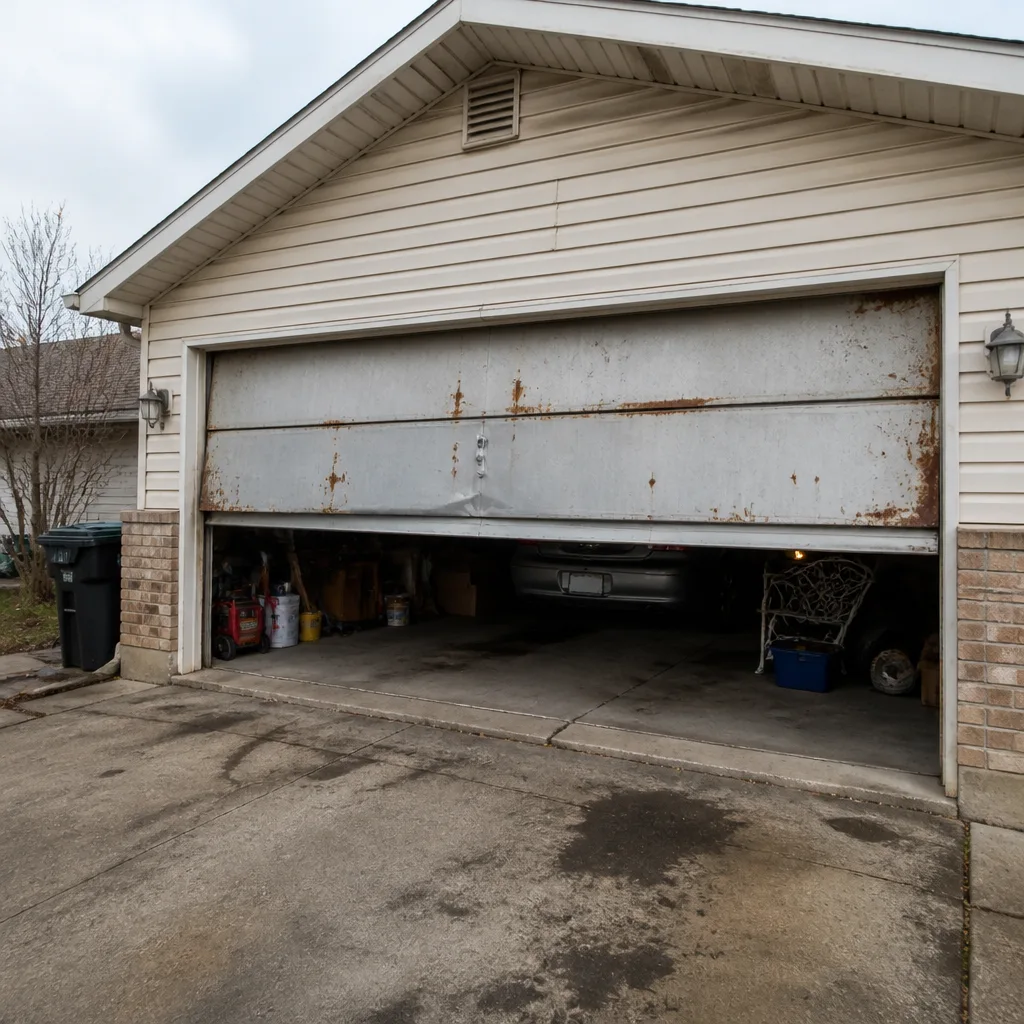 Before
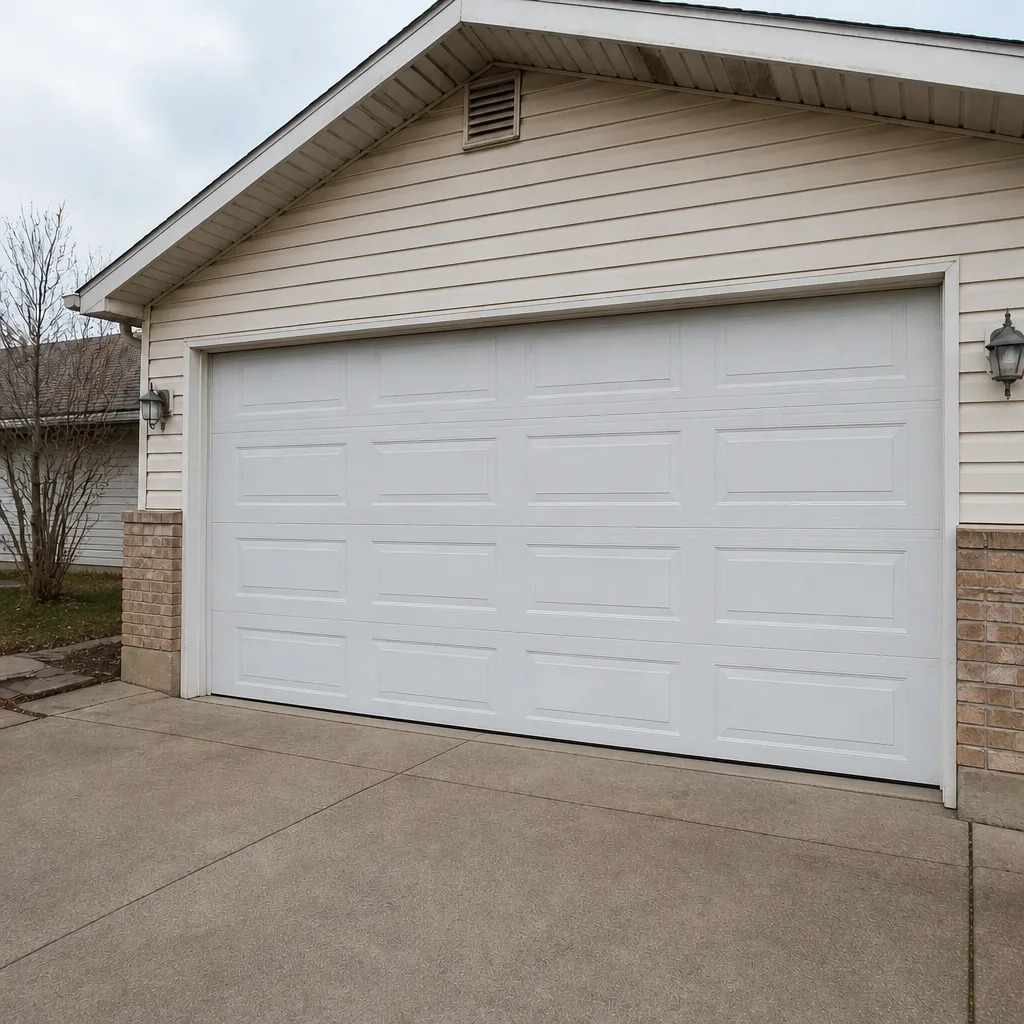 After
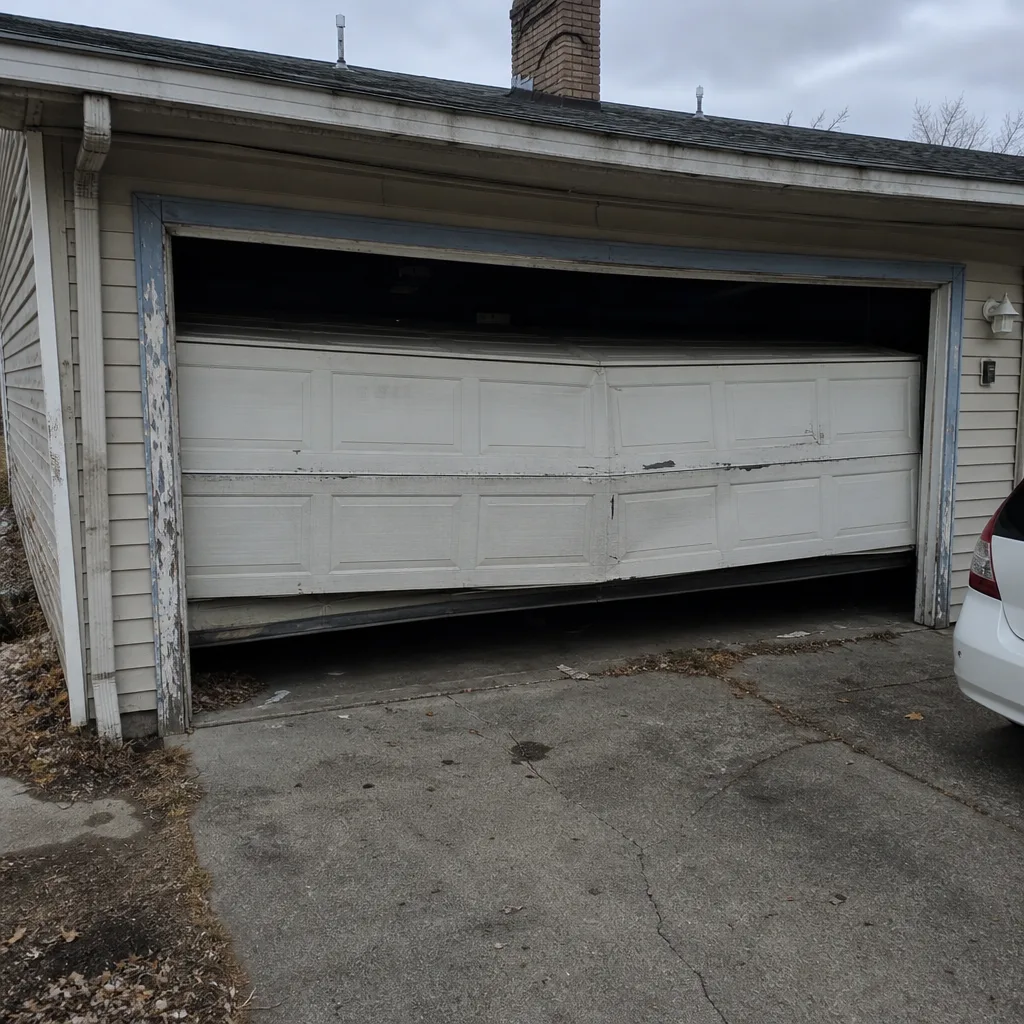 Before
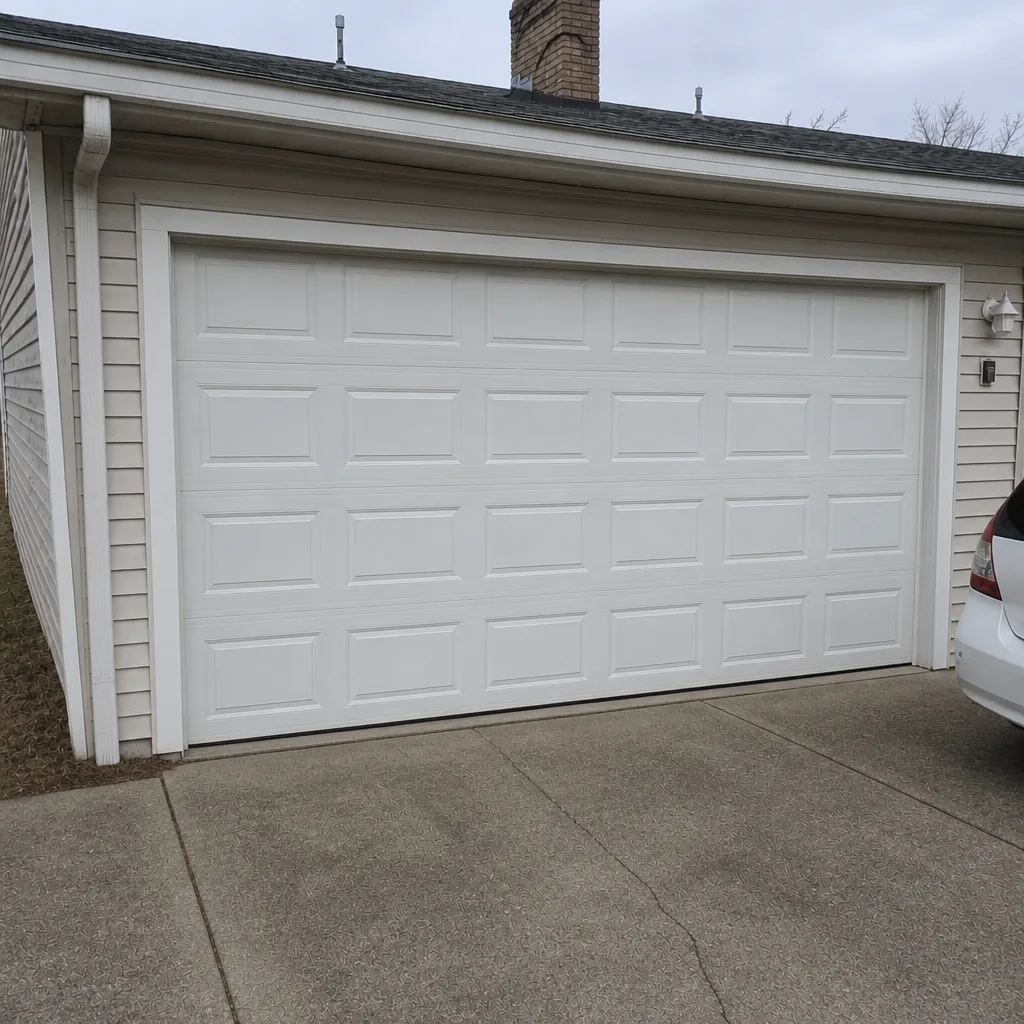 After
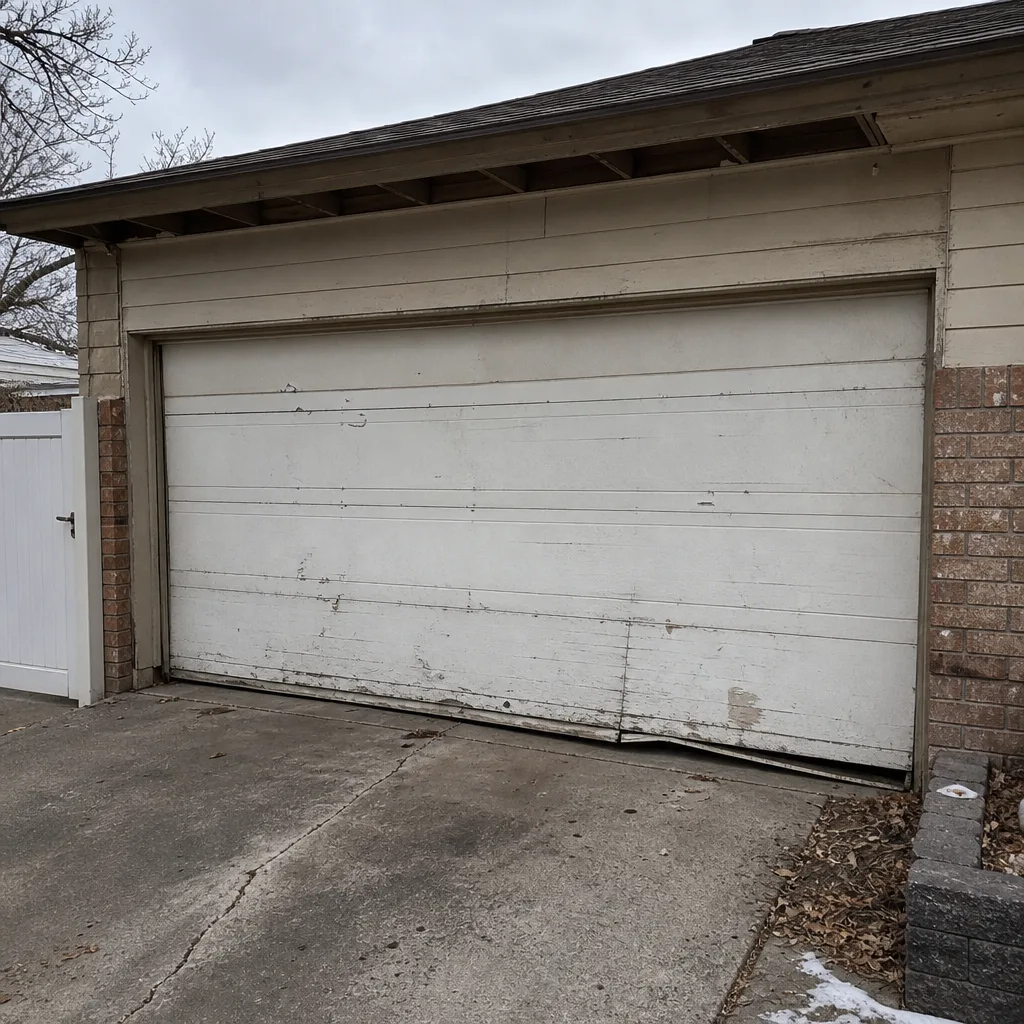 Before
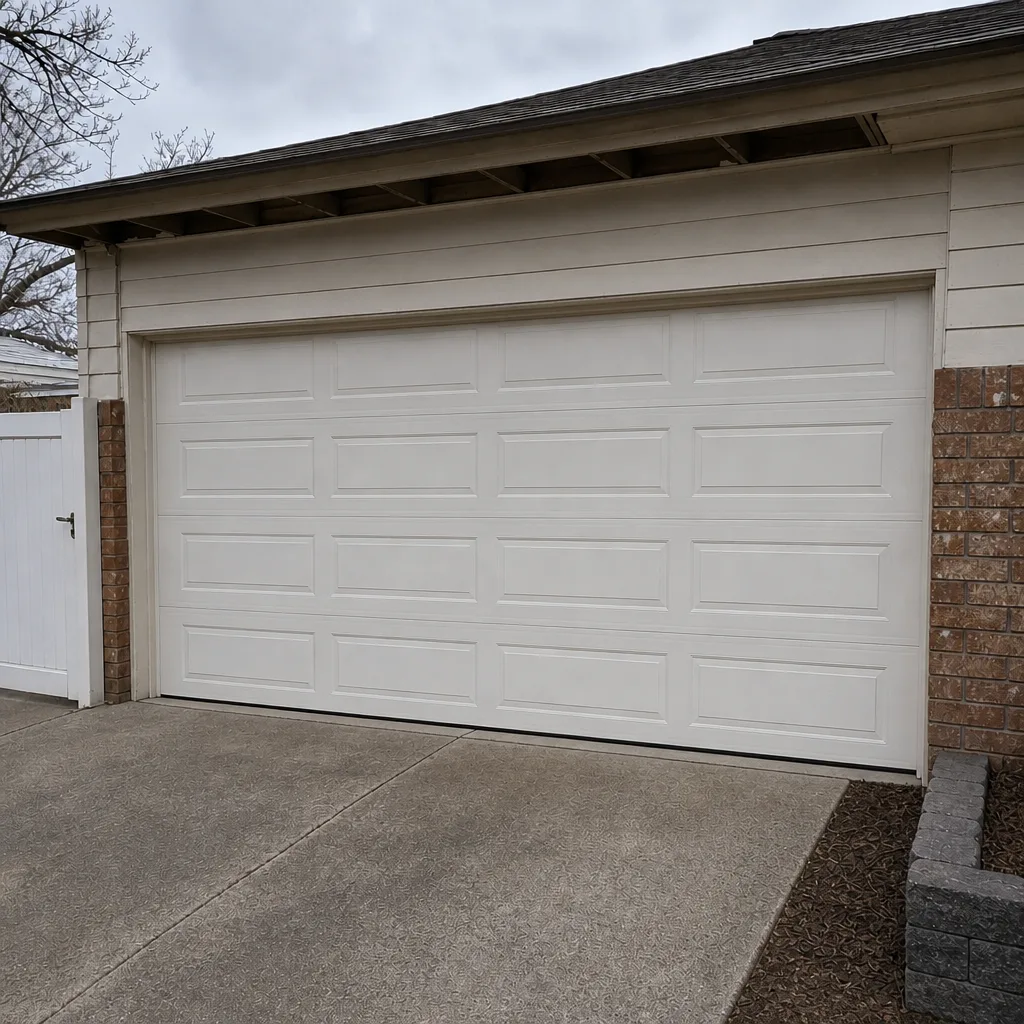 After
Common Mistakes to Avoid
- Trying to wind torsion springs “gently.” There’s no gentle version of stored torque at this scale. The winding bars are what fail on DIY jobs, and the failure is where the injuries happen.
- Substituting WD-40 for actual garage door lubricant. It’s the most common mistake we see in West Valley City doors. It removes the factory lubricant and attracts dust, which grinds the rollers and hinges faster over time.
- Buying universal replacement parts. “Universal” springs and rollers cover a range, not a fit. A spring that’s close is a spring that’s wrong, and it puts stress on the door. Match the model number, not the width.
- Adjusting force limits to fix a slow door. Dialing up the opener force masks a spring or balance problem and adds wear to the gear assembly. Fix the cause, not the symptom.
- Assuming a self-installed opener preserves the warranty. Read the model’s installation clause before you buy. Many consumer warranties require a professional install, and a silent failure later can land you with no coverage.
- Ignoring a single broken spring because the door “still opens.” On a two-spring door, one spring can carry the door for a while, right up until it can’t. That’s why matched pairs get replaced together.
- Leaving the photo eyes blocked and calling it “close enough.” A door that closes without a working safety reverse is a serious risk to kids and pets, and the fix is usually a two-minute alignment, not a service call.
Frequently Asked Questions
No, and this is the one line that doesn’t move. A wound torsion spring stores roughly 100 foot-pounds of torque, and the DIY injury profile includes amputations and skull fractures. The tool kit (winding bars, door-weight scale, proper gloves) costs enough to rival a specialist’s total price on the same job. Call (844) 834-4689 for the springs. We answer 24/7. Fast dispatch from 7am to 7pm, Sunday through Friday.
Check the photo eyes first, because misalignment is the cheapest problem to find and the easiest to fix yourself. If the sensor lights are steady and the door still won’t close, the door is likely out of balance or the opener’s travel limits are off, and that’s a specialist call. Call (844) 834-4689 for a free estimate. The estimate is free, and the price is agreed before any work starts.
It can, depending on the model and brand. Many consumer openers specify professional installation to keep the full motor and logic-board warranty, and Utah doesn’t override that with a statewide rule. Read the installation clause on the exact model you’re buying, and ask your insurer how they treat self-performed work. When in doubt, the professional install is the safer warranty position. Call (844) 834-4689 if you want a free estimate for the install side.
Yes, for the green-list tasks: weatherstripping, bottom seals, sensor alignment, and lubrication genuinely save money and carry almost no risk. Skip the hybrid plan for anything involving springs, cables, or a full opener replacement, because half-finished technical work is where the real cost comes back. A clear list of what you’ve done and what’s left saves time on the call. Call (844) 834-4689 to book the technical side.
Every job is priced per job from a written estimate, and that written estimate is the price. Spring work, opener repair, and section or panel replacement all get quoted based on the door, the model, and what’s actually failed, so there isn’t a single number that fits every call. Book a free estimate and you’ll get the real number for your door before any work starts. Call (844) 834-4689. We answer 24/7. Fast dispatch from 7am to 7pm, Sunday through Friday.
Yes, for repair work. Same-day service is available for a stuck door, a broken spring, or an opener that’s failed, and fast dispatch runs from 7am to 7pm, Sunday through Friday. A new door install or opener install is a measure-and-schedule job rather than a same-day visit, so book those a few days out. Call (844) 834-4689 for a free estimate and a same-day slot if one is open.
The Bottom Line
DIY and professional aren’t two sides of one decision. They’re two answers to two very different questions. Replacing a bottom seal, aligning your photo eyes, and reprogramming a remote are safe, cheap, and genuinely worth doing yourself. Winding a torsion spring, replacing a cable, or swapping an opener is where the calculation flips, because the injury risk, the tool cost, and the warranty exposure add up to more than the specialist charges for the same work. The honest rule: green-list work is yours, red-list work belongs to a specialist, and the hybrid plan saves money only when it’s applied to the green side. West Valley City homeowners who lean into the green work and call for the rest end up with a quieter door, a safer door, and a check they can predict.
If a spring just broke, the door won’t lift, or the opener is on its way out, call (844) 834-4689 for a free estimate. We answer 24/7. Fast dispatch from 7am to 7pm, Sunday through Friday. Estimates are free, and same-day service is available for repair work.
Written by the team at Auburn Garage Door Service.