
Last updated November 16, 2026
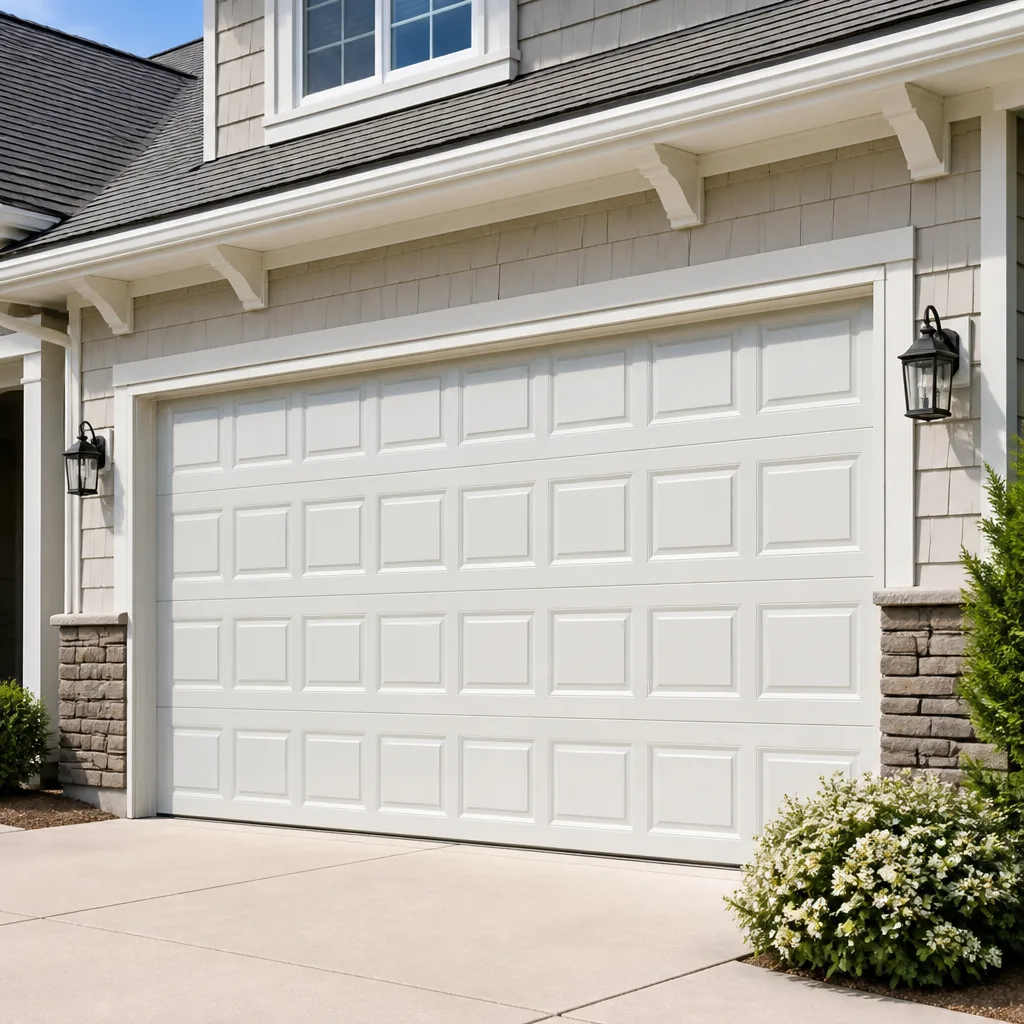 Raised-panel steel
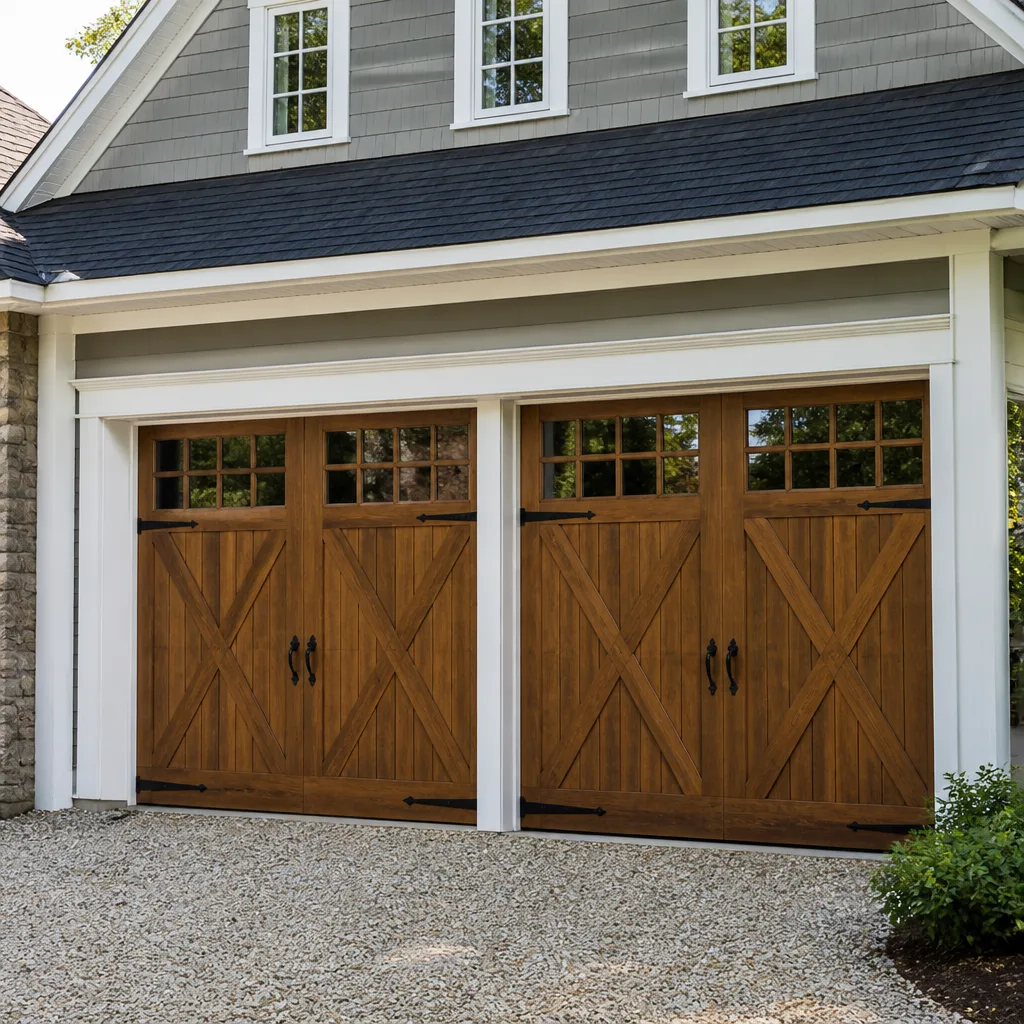 Carriage house
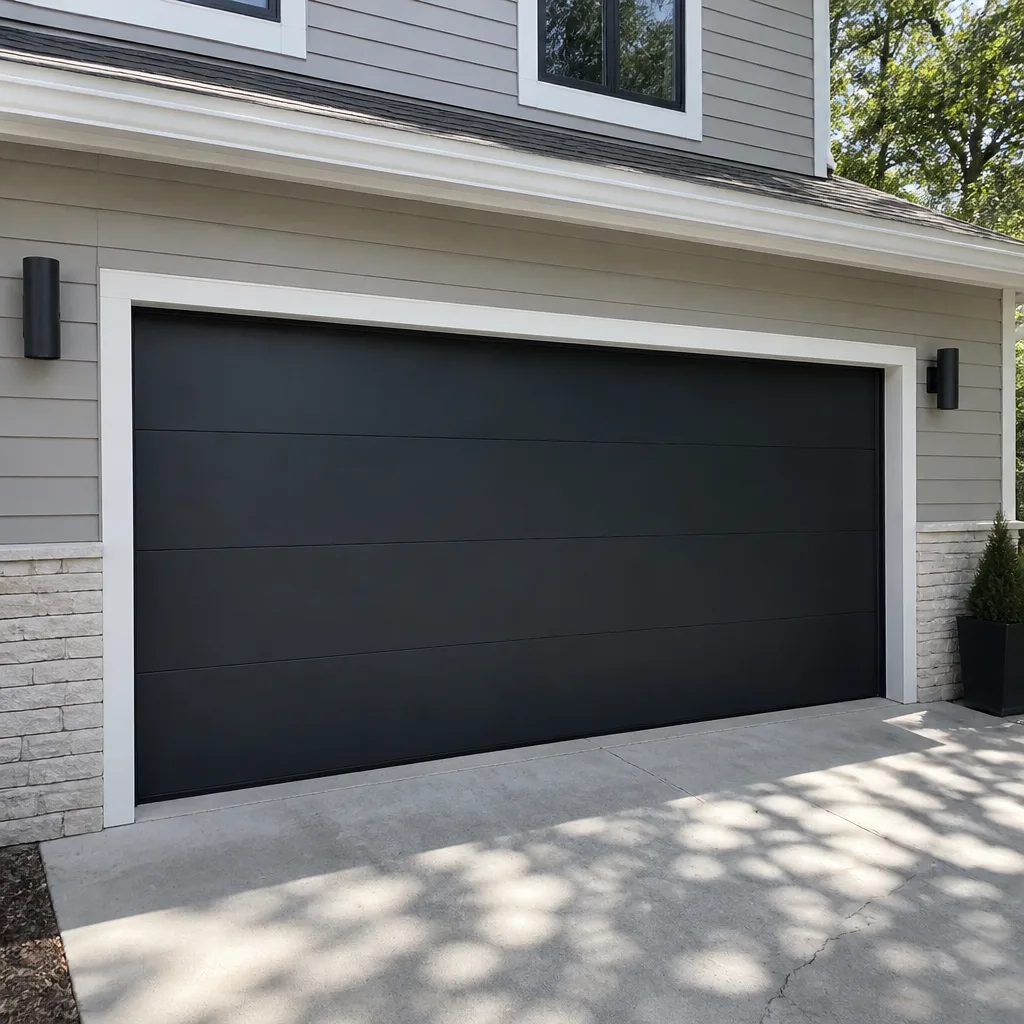 Modern flush
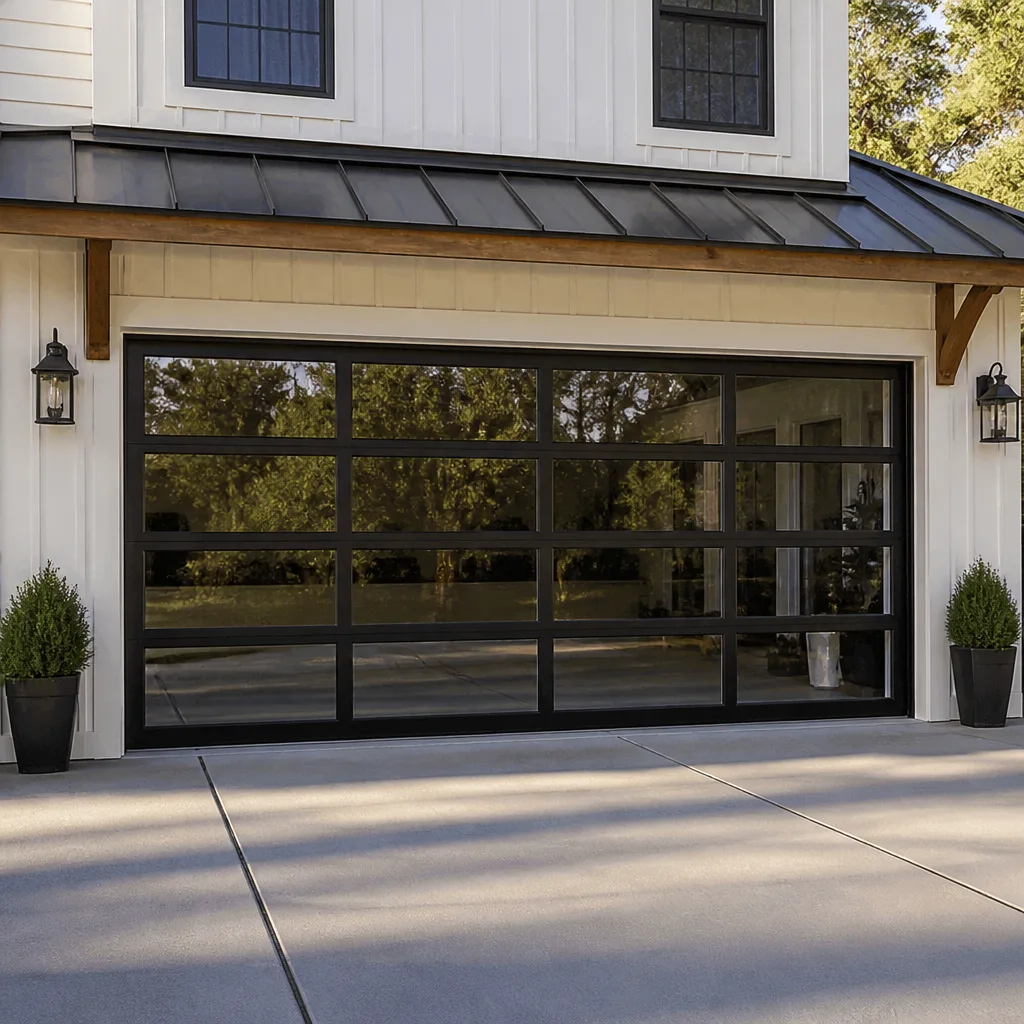 Full-view glass
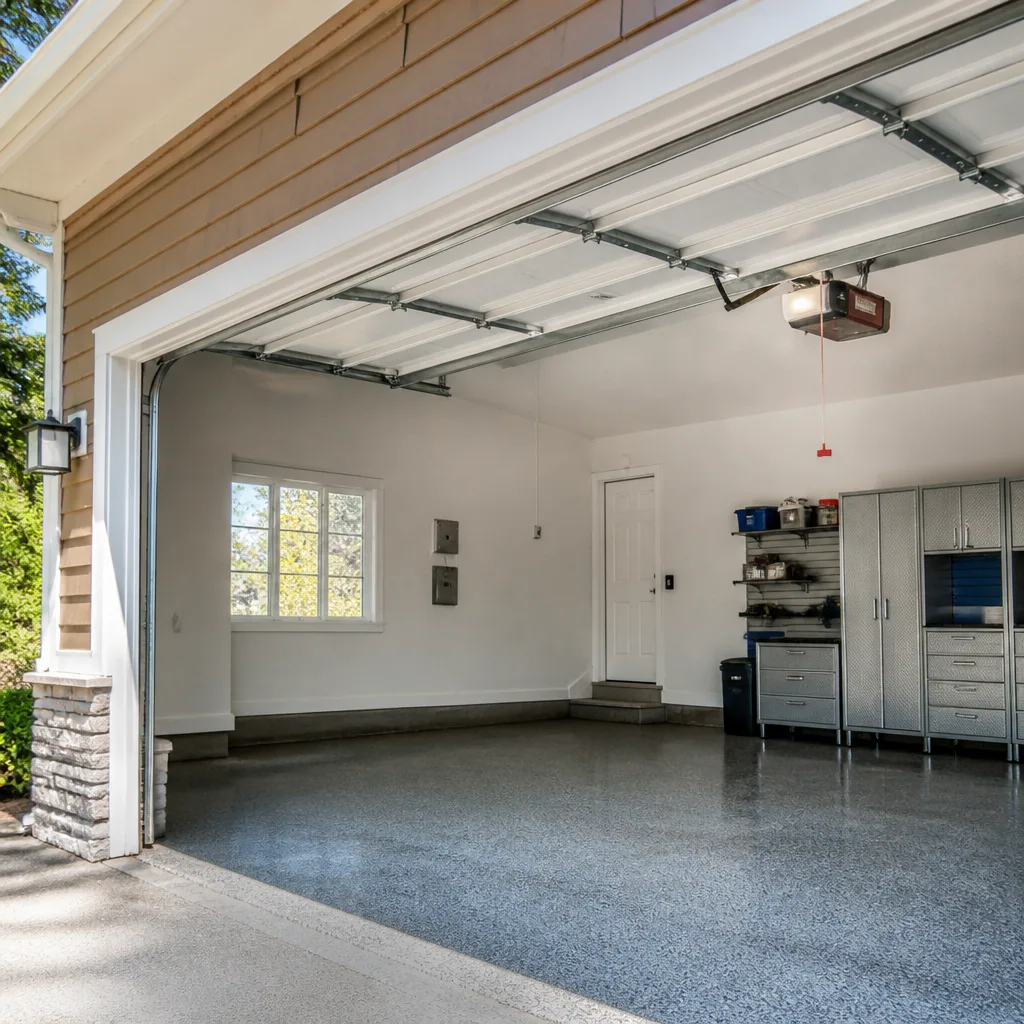 LiftMaster openers
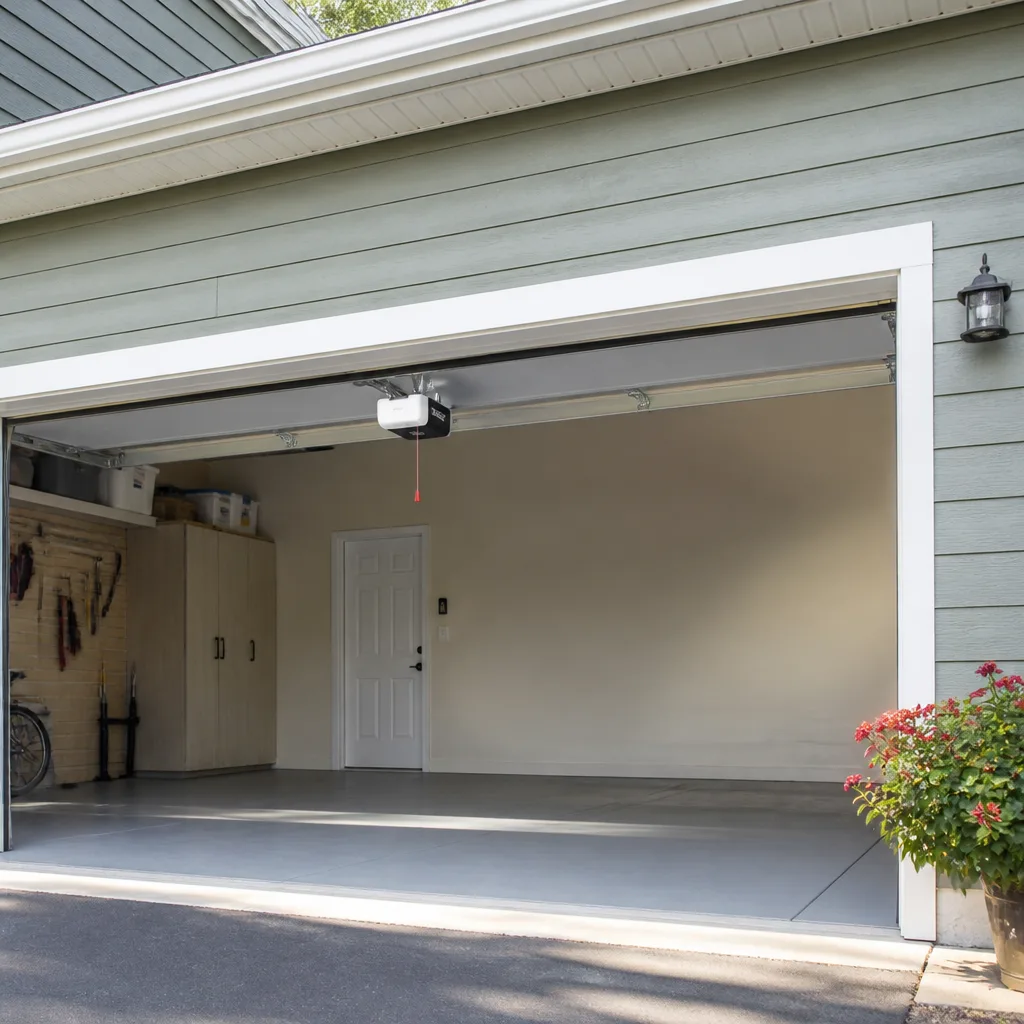 Chamberlain openers
Full 25-point door and opener safety check with every visit - springs, cables, rollers, tracks, and your LiftMaster or Chamberlain opener included
You get a price before we start. It does not change when the pro arrives.
Get your free estimateGarage Door Emergency Preparedness Guide for West Valley City Homes
Most garage door emergencies we get called out for in West Valley City aren’t really about the door. They’re about a homeowner standing in a dark garage at 6:45 in the morning, late for work, with a car trapped inside and no idea that a small red cord hanging from the opener rail is the way out. The door itself is usually a twenty-minute fix. The panic is what costs people their morning. This guide covers the two failures that cause almost all of that panic in West Valley City – a broken spring and a dead opener during a winter power outage – and walks through the pre-planned steps that turn each one into a minor annoyance instead of a lost day.
Quick Answer
To prepare for a garage door emergency in West Valley City, do four things now: locate and test the manual release cord on your opener, confirm whether your opener has a working battery backup, learn how to tell a broken torsion spring from a door that’s simply off its track, and keep a vehicle exit plan in mind for the day the door won’t open. A broken spring or a dead opener is rarely dangerous to the house, but forcing either one can be.
Styles & brands we work with
- Raised-panel steel
- Carriage house
- Modern flush
- Full-view glass
- LiftMaster openers
- Chamberlain openers
Table of Contents
- How do you open a garage door by hand when the opener won’t work?
- Do you need a battery backup for your garage door opener in West Valley City?
- What should you do when a garage door spring breaks?
- What should be on your pre-emergency checklist?
- How do Wasatch Front winter storms affect garage doors?
- What if the garage is the only way into your home?
- What happens when you call for garage door repair in West Valley City?
- What does garage door emergency work cost in West Valley City?
How do you open a garage door by hand when the opener won’t work?
Every residential opener has a manual release, and pulling it disconnects the door from the motor so the door can be lifted by hand. The release works the same way on all three opener types common in West Valley City homes, but the location of the cord and the feel of the door afterward differ in ways that trip people up. Here’s how each type behaves.
Chain drive openers
Chain drive units are the most common opener in older West Valley City neighborhoods, and the release cord usually hangs from the trolley near the center of the rail. Pull it straight down with a firm, steady motion. You’ll feel the trolley disengage. Then lift the door by its bottom edge, not by the panels. A chain drive door disconnected from its motor feels heavier than it did the last time you lifted it manually because the spring is doing less of the work if it’s worn.
Belt drive openers
Belt drive openers are quieter and often installed in newer builds and remodels around West Valley City. The release mechanism is the same trolley-and-cord arrangement, but the cord on belt drive units sometimes rides higher on the rail, especially on a low-clearance ceiling. If you can’t reach it comfortably, use a step stool rather than jumping for it. The door behaves identically once released.
Jackshaft openers
Jackshaft openers mount on the side wall next to the torsion bar instead of on the ceiling, which is common on homes with high ceilings or where the garage ceiling is used for storage. The release on a jackshaft is usually a lever or a cord on the side of the motor housing. Pull it and the door disconnects from the drive shaft. Because a jackshaft opener sits beside the spring system, be careful with your hands in that area – the springs above you are under heavy tension whenever the door is closed.
What to do if the cord is pulled and the door still won’t move
- Check that you pulled the release, not the emergency cord on a different component. Some openers have both a trolley release and a separate cord for a rail-mounted lock. Look at the trolley itself – the arm connecting the door to the opener should now be free to swing.
- Try lifting with a second person. A door with a broken spring can weigh well over a hundred pounds and will not lift evenly by hand. If two adults can’t lift it with reasonable effort, stop.
- Look at the door’s alignment. If one side lifts and the other doesn’t, a roller has come out of the track or the door is jammed. Don’t force it – a door that comes off its track under load can fall.
- Check for a manual lock. Older doors sometimes have a slide bolt or a keyed lock that keeps the door locked to the track. The opener won’t overcome it and neither will you until it’s released.
- Stop and call. If the door won’t lift and won’t go down, you now have a safety issue rather than an inconvenience. We answer 24/7 at (844) 834-4689, and we can walk you through what to look at before a technician comes out.
Do you need a battery backup for your garage door opener in West Valley City?
Yes – if the garage is how you get in and out of the house, a battery backup is worth having in West Valley City because the valley gets the same winter storms as the rest of the Wasatch Front, and a power outage during a storm is the single most common reason an electric door won’t open. A battery backup lets the opener run the door several times after the power goes out, which is usually enough to get a car in or out and to reconnect the manual release. Here’s what’s available.
- Openers that support backup natively: LiftMaster and Chamberlain both offer models with an integrated battery backup, and the battery is a serviceable part you can replace. If you’re choosing a new opener and outages worry you, ask for one of these specifically. Genie also makes battery backup units in its newer lines, and we work with those as well.
- Older openers and third-party backup: An older opener without native backup can sometimes be paired with an add-on battery unit that supplies power to the opener’s control board. Whether it works depends on the opener’s wiring, so it’s a job to have looked at rather than ordered blind.
- Realistic runtime: A backup battery typically runs the door a handful of cycles – enough to get a car out, close the door behind you, and reopen it later – not enough to run all day. In Utah winter temperatures batteries lose capacity, so an older battery in a cold garage gives you fewer cycles than the same battery in summer. Test it in the fall before storm season, not during a storm.
- The part people forget: A backup battery that has never been charged or tested is the same as no battery at all. Many openers don’t tell you the battery has failed until the power is already out.
If you’ve been meaning to check whether your opener has backup, or want to know whether your existing unit supports it, our garage door opener repair page covers the common opener types and what we check on a service call. If you’re planning a bigger change – a new opener, or a new door to go with it – Auburn Garage Door Service handles installation as well as repair, and can talk you through which opener setup suits the way you use the door.
What should you do when a garage door spring breaks?
A broken spring is the most common garage door failure, and it is one of the few that should be treated as a strict hands-off situation. The spring above the door – a torsion spring on most West Valley City homes – holds the full weight of the door under severe tension whenever the door is closed. When it breaks, that tension is released all at once. The door becomes far heavier than a person can safely manage, and the broken spring is a wound coil of steel under stored tension. Do not touch it.
How to tell it’s a broken spring
- A loud bang from the garage. A torsion spring failure sounds like a gunshot or a heavy object being dropped. People in other rooms of the house often hear it. Hearing that sound and then finding the door won’t lift is the classic pattern.
- A visible gap in the spring. Look at the horizontal bar above the door. A torsion spring that has broken will have a visible gap of an inch or more somewhere along its length. Don’t reach up and handle it – looking is enough.
- The door opens a few inches and stops. The opener can often lift the door a few inches before the safety reverse senses resistance and sends it back down. That partial lift with no progress is a strong sign the spring is gone.
- One side of the door sags. On a two-spring system, one side can fail first and the door will lift crooked before the opener gives up.
The broken spring protocol
- Stop operating the door. Don’t try the opener again and don’t try to lift the door by hand. A door on a broken spring can come down hard and it can twist its tracks.
- Keep people and pets away from the door. The door is in an unbalanced state, and a car parked partly in the opening can be an issue if the door comes down unexpectedly.
- Get your vehicle out the safe way. Pull the manual release with the door down and lift the door by both sides, if you can do it without straining. If you can’t, ask a second person. If it won’t come up, back the car out first the moment the door is open far enough, and lower the door by hand before letting it go. This is the part where back injuries happen, so if it is heavy, don’t.
- Leave the door closed and call a specialist. Spring replacement involves winding a new spring to a specific tension, which is a job that requires the right rods and the experience to know when the tension is correct. It’s not a hardware store project.
If you’ve got a door that won’t lift and you suspect the spring, call (844) 834-4689. We answer 24/7. Fast dispatch from 7am to 7pm, Sunday through Friday. Spring replacement is the most common job we do in West Valley City, and our technicians have up to 9 years of experience with the torsion systems on doors from Clopay, Amarr, Wayne Dalton, and older builder-grade units.
What should be on your pre-emergency checklist?
Four things done before an emergency cuts the average response wait – which is your waiting time, not the technician’s driving time – because whoever comes out already knows what to bring and where to start. They also tend to make the visit cheaper, because an obvious problem is faster to fix than a mystery. Do these once, and you’ll be ready the next time. Do them this week, while nothing’s wrong.
- Locate and tag your manual release cord. Find it on the opener rail and hang something visible on it – a bright zip tie, a piece of tape – so you can find it in a dark garage. Then test it once. Pull it with the door closed, lift the door a little by hand, and lower it. You’ll know how it feels and whether it needs adjustment. Check that the door arm reengages (some openers reengage when you run the motor, some need a lever).
- Write down your opener’s make and model. Lift the opener’s light cover; the model number and manufacture date are usually on a sticker inside. Tape a note with that number to the wall next to the opener. When you call a technician, they can say “yes, we know that model” before they drive over, and they’ll know which brand-specific parts to bring. We work across LiftMaster, Chamberlain, Genie, Clopay, Amarr, Wayne Dalton, Craftsman, and Raynor because we want the answer to be yes.
- Test your opener’s safety reverse, twice a year. Put a piece of wood or a box in the door’s path with the door open, then close it with the opener. The door should reverse when it meets the object. If it doesn’t, the opener’s force settings are too high or the sensors are misaligned. This is the one safety feature that keeps a garage door from hurting a person or a pet.
- Note your spring type and door weight on paper. Doors with two torsion springs have a different repair cost and time than single-spring doors, and knowing which you have means the first phone call gets you a more useful answer about how long you’ll be waiting and what the visit will involve. You don’t need to be an expert in torsion springs – just know whether there’s one spring on the bar or two, or a pair of extension springs running along the track.
How do Wasatch Front winter storms affect garage doors?
Winter storms along the Wasatch Front put specific stress on a garage door, and the valley’s cold winter nights combined with wet, low snow make the failure modes different from warmer places. West Valley City sees the same cold snaps as the rest of the valley, and when the temperature bottoms out for several days, the calls for stuck doors tend to rise – sometimes dramatically. Most of it is preventable.
- Frozen door bottoms. A door that contacts snow or standing water at the bottom can freeze to the ground overnight. The opener tries to lift, the door holds, and the opener’s force settings either strain the door or trip the safety reverse. Breaking the ice free from outside, clearing the snow from the door’s path, and keeping the bottom seal clear of standing water prevents this.
- Stiff rollers and hinges. Bearings and rollers that live in a cold garage move slower in winter. A light application of garage-door-specific lubricant on metal rollers, hinges, and springs in the fall helps, but don’t overdo it – WD-40 and grease are not the right products for this equipment.
- Opener and sensor issues in the cold. The safety sensors that sit at the bottom of the track can frost over or shift when ice pushes them. A door that opens fine but won’t close is often just a sensor that’s been nudged or is fogged. Check it first, even if the door seems to have no other problem.
- Dead batteries in the remote and the backup. Cold kills battery capacity faster. A remote that works at 60 degrees can fail at 5 degrees. Change remote batteries before winter, and test the opener’s backup battery early.
- Doors frozen at the top. On a door that hasn’t been used since the last snowfall, the top section can freeze to the header. If the opener lifts a few inches and drops back, look for ice at the top before trying again.
All of this matters more when the door is the main way in and out, which it is in a lot of West Valley City homes. Snow that drifts in under the door seals, ice on the apron, and a door that has to work harder in cold weather all shorten the life of the springs and the opener. A door that’s adjusted and lubricated before the first hard freeze tends to make it through the winter without that call. You can read more about local repair on our garage door repair page.
What if the garage is the only way into your home?
Some West Valley City homes – newer builds and a number of remodels – are designed with the garage as the primary entry, and the front door gets used almost never. That layout creates a specific lockout situation: the car won’t come out, and the house won’t let you in through the normal route. What’s helpful to know is that a locksmith and a garage door specialist solve different halves of that problem, and calling the wrong one wastes your time.
- What a locksmith can do: Open the garage’s exterior walk-in door (if there is one) or the house’s front door. They might get you into the house through another entrance. That’s their job and they’re the right call if the house entry itself is locked.
- What a locksmith can’t do: Make a broken garage door open. If the spring is broken, the door is jammed, or the opener is dead, the locksmith has no path to move a door that is mechanically unable to move.
- What a garage door specialist can do: Restore the garage door to operation – replace the spring, fix the opener, repair the track, or get a door unstuck – so that the vehicle can come out and the home can be entered through the garage again. They don’t open house doors.
- The right plan: If you can’t get in at all, call a locksmith first for house entry, then call us to make the garage door work again. If you’re already inside the house and the car is the problem, skip the locksmith entirely. If there’s a walk-in door on the garage, that’s usually the fastest way to the opener and the release cord.
Knowing which call to make saves an hour during a stressful morning. We’re a single-trade garage door specialist, so we can’t open a house door, but we can tell you on the phone whether your situation sounds like a garage door problem or a locksmith problem. We answer 24/7 at (844) 834-4689.
What happens when you call for garage door repair in West Valley City?
A garage door call is a straightforward sequence, and knowing it makes the conversation faster. The phone is answered by someone who will ask you the same questions the technician will, and the answers mean the technician can bring the right parts the first time. Being ready with your door’s make and model, your spring type, and a one-line description of what happened is the most useful preparation you can do for that call.
- You describe what happened. What the door did when it failed – the sound, the position, whether the opener light is on, whether anything else happened at the same time (a storm, a power cut) – tells us most of what we need to know.
- We ask about your door and opener. Make, model, spring type, and approximate age. This is where that note taped next to the opener pays off.
- We book a visit for the next opening. We answer 24/7. Fast dispatch from 7am to 7pm, Sunday through Friday. A call outside those dispatch hours is booked into the next opening, Sunday through Friday, 7am to 7pm.
- The technician arrives and inspects the door. Springs, cables, rollers, track, opener, and sensors, because a problem in one of those can show up as a failure in another. They’ll tell you what they find.
- You get a written estimate before any work starts. The price is quoted and agreed before we touch the door. If the estimate doesn’t match what you expected, you say so before anything begins. There are no surprises after the fact.
- The work is done and the door is tested. The technician runs the door, checks the safety reverse, and confirms the door balances properly before leaving.
If you’re in West Valley City and the door’s giving you trouble, the closer you can get to the exact make and model before calling, the faster the visit goes. Not sure what you have? Call and we’ll help you figure it out.
What does garage door emergency work cost in West Valley City?
Garage door repair in West Valley City depends almost entirely on what failed, not on the time of day. The written estimate sets the final price, so the ranges below are typical estimates for the most common jobs rather than a quote for your specific door. A broken spring on most residential doors runs roughly the price of a single spring replacement, while an opener that has failed can be a repair or a replacement depending on the unit’s age and whether parts are still available.
- Broken torsion spring: typically a per-spring charge. Doors with a matched pair are replaced as a pair, which roughly doubles the figure. Ask which you have before agreeing.
- Opener repair: usually lower than replacement if the failure is a gear, a sensor, a circuit board, or a battery. We work across LiftMaster, Chamberlain, Genie, and Craftsman, so the parts are known before the visit.
- Off-track door: priced by the extent of the track damage and whether rollers, cables, or a hinge are involved. A door that has twisted badly can cost more than a simple reset.
- Emergency callouts: there’s no surcharge for calling at night or on a Sunday – the price is per job, and the estimate is written before work begins.
If you’re comparing quotes, ask whether the estimate covers both springs when a pair is being replaced, and whether the price includes balancing and a full safety check afterward. Those details matter more than the headline number. For an exact figure on your door, call (844) 834-4689 for a free estimate.
Common Mistakes to Avoid
- Pulling the release cord while the door is up. Release it with the door closed, or a heavy door can come down suddenly once disconnected from the opener. The right order matters.
- Forcing a door with a broken spring. Lifting a door on a dead spring with your back, or repeatedly cycling the opener, can twist the tracks, bend the panels, and put a person in the way of a heavy falling object. Once you suspect a spring, stop and call.
- Using the wrong lubricant. Grease, cooking oil, and general-purpose spray attract grit and gum up rollers and hinges. Garage door parts want a garage-door-specific lubricant, applied sparingly, and springs should always be checked by a technician who can see the whole system.
- Ignoring a slow battery backup. A backup battery that has been in the opener for years, in a cold West Valley City garage, is the one that fails during a winter storm. Test or replace it before the freeze, not after.
- Calling a locksmith for a garage door problem. A locksmith can open a house door, not a broken garage door. If the house entry is locked, call both – but know which job belongs to which trade.
- Assuming the opener is the problem when it’s the sensors. A door that opens but won’t close is usually a misaligned sensor, not a failing motor. Check the small lights on the sensors first.
- Leaving a door out of balance. A door that feels unusually heavy, slams shut, or stops halfway is telling you the spring tension is wrong. It won’t fix itself, and a door that’s been adjusted by a general handyman rather than a specialist can be more dangerous than the original problem.
See the difference
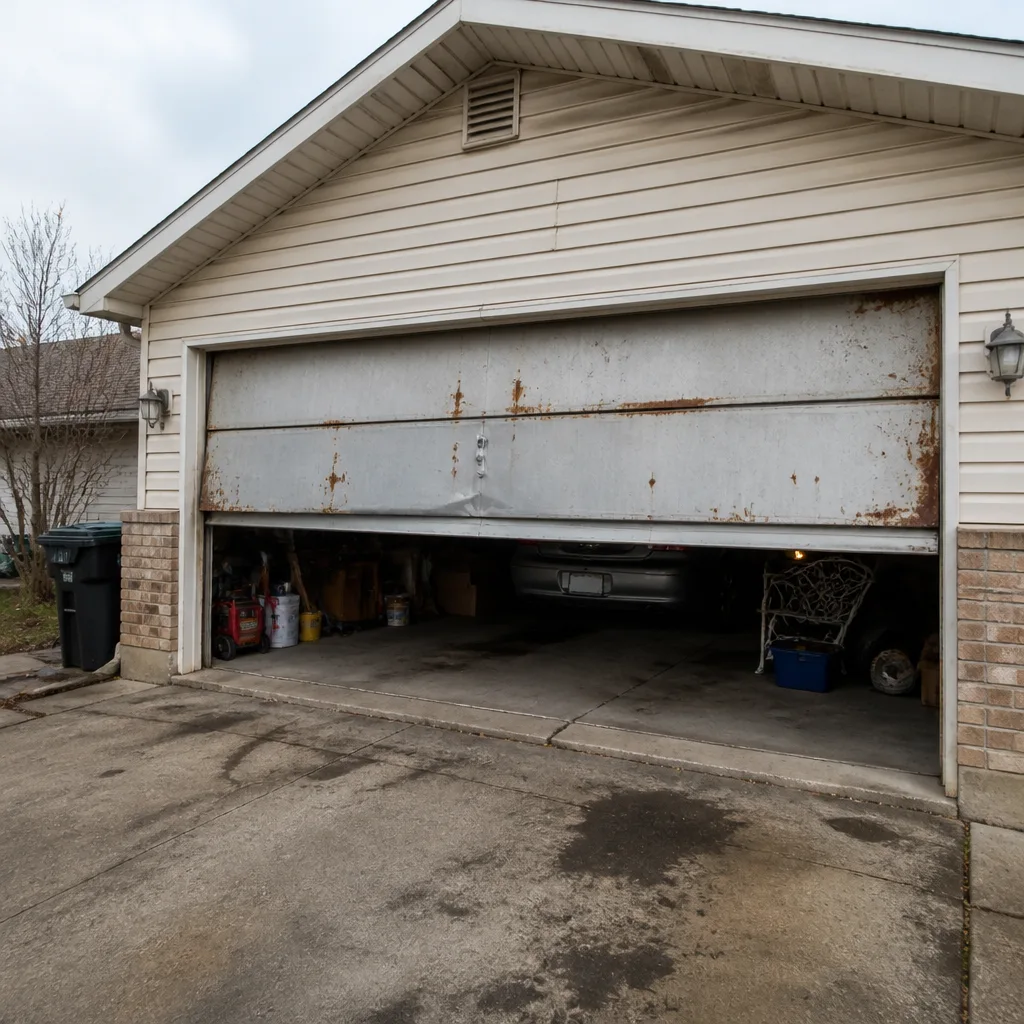 Before
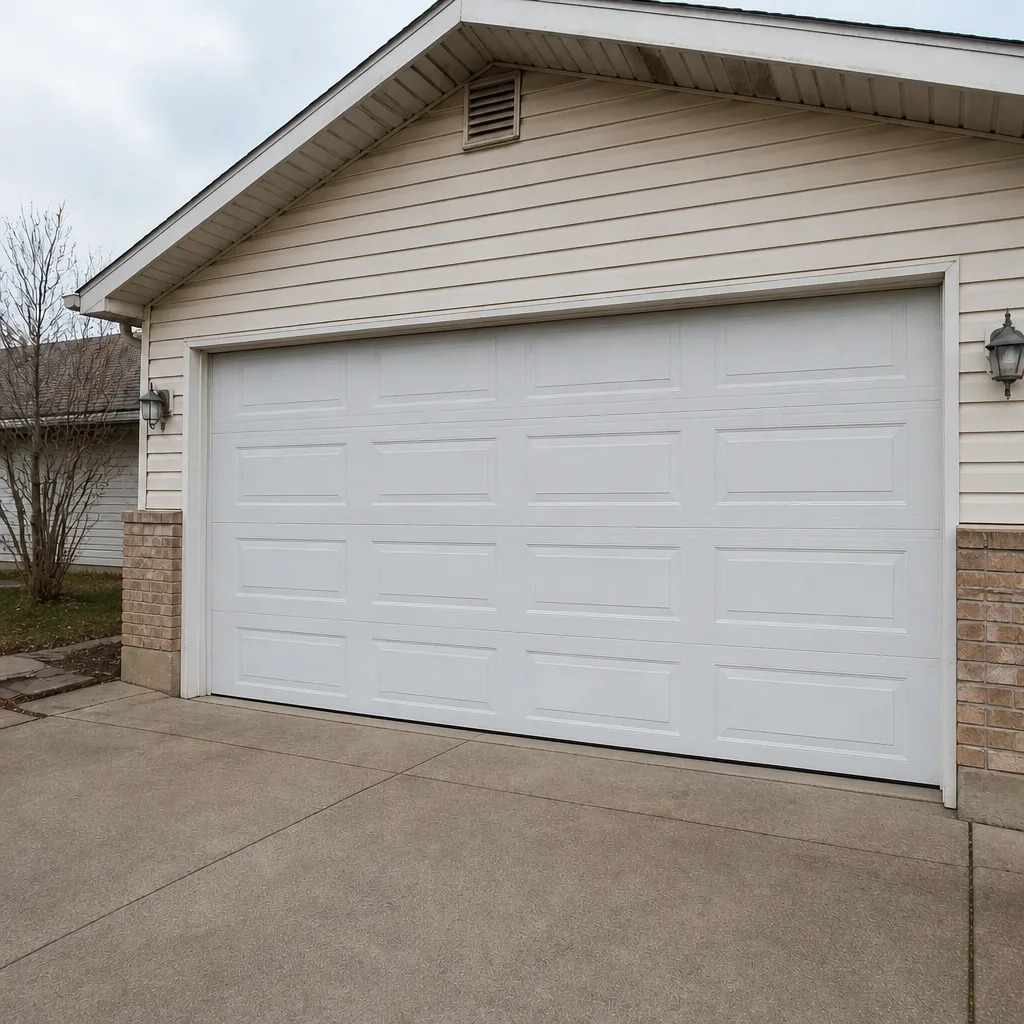 After
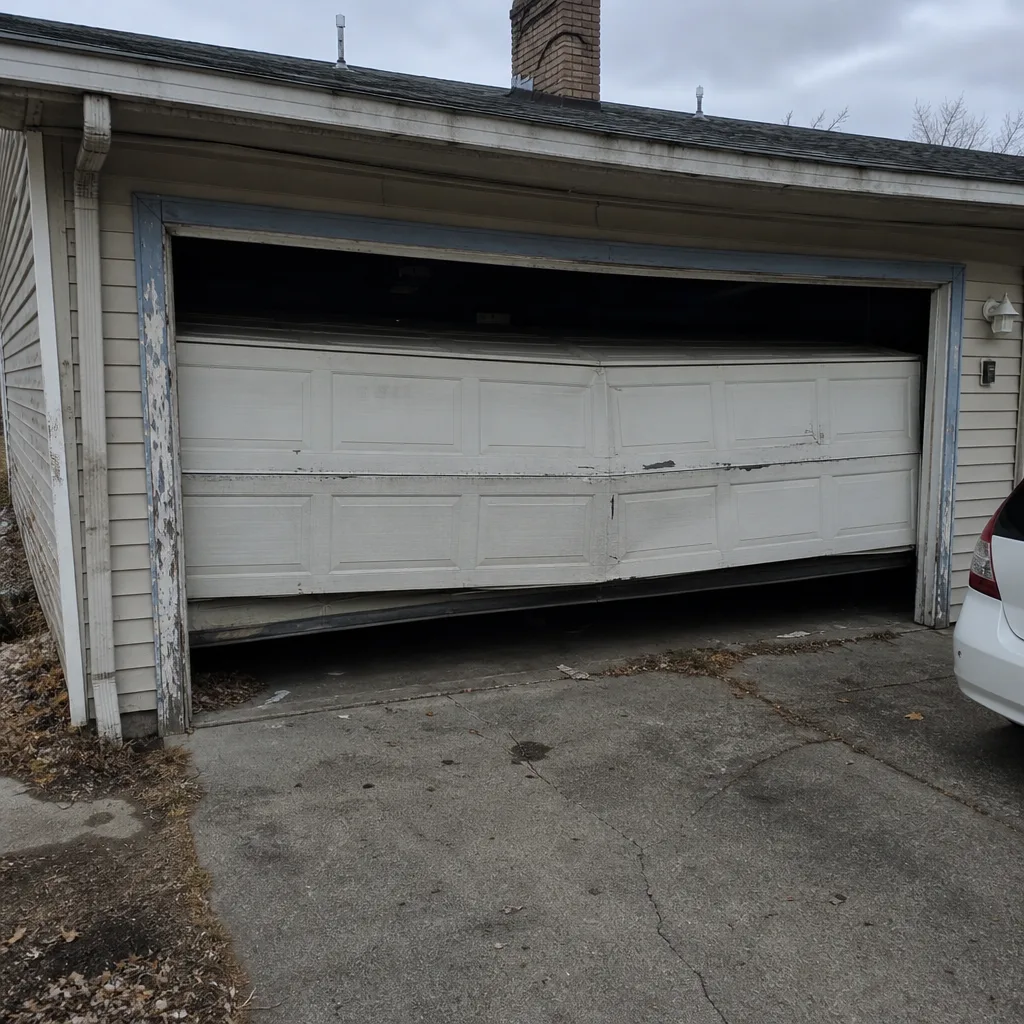 Before
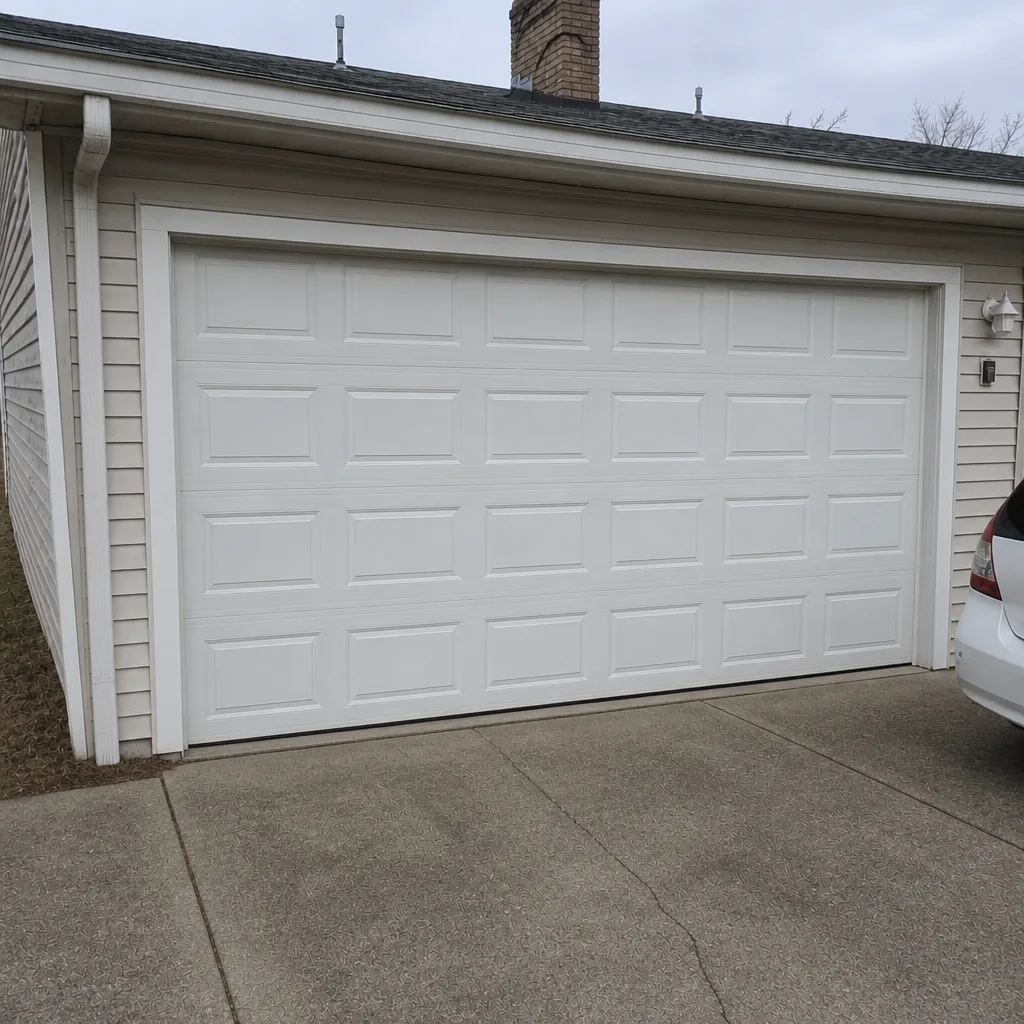 After
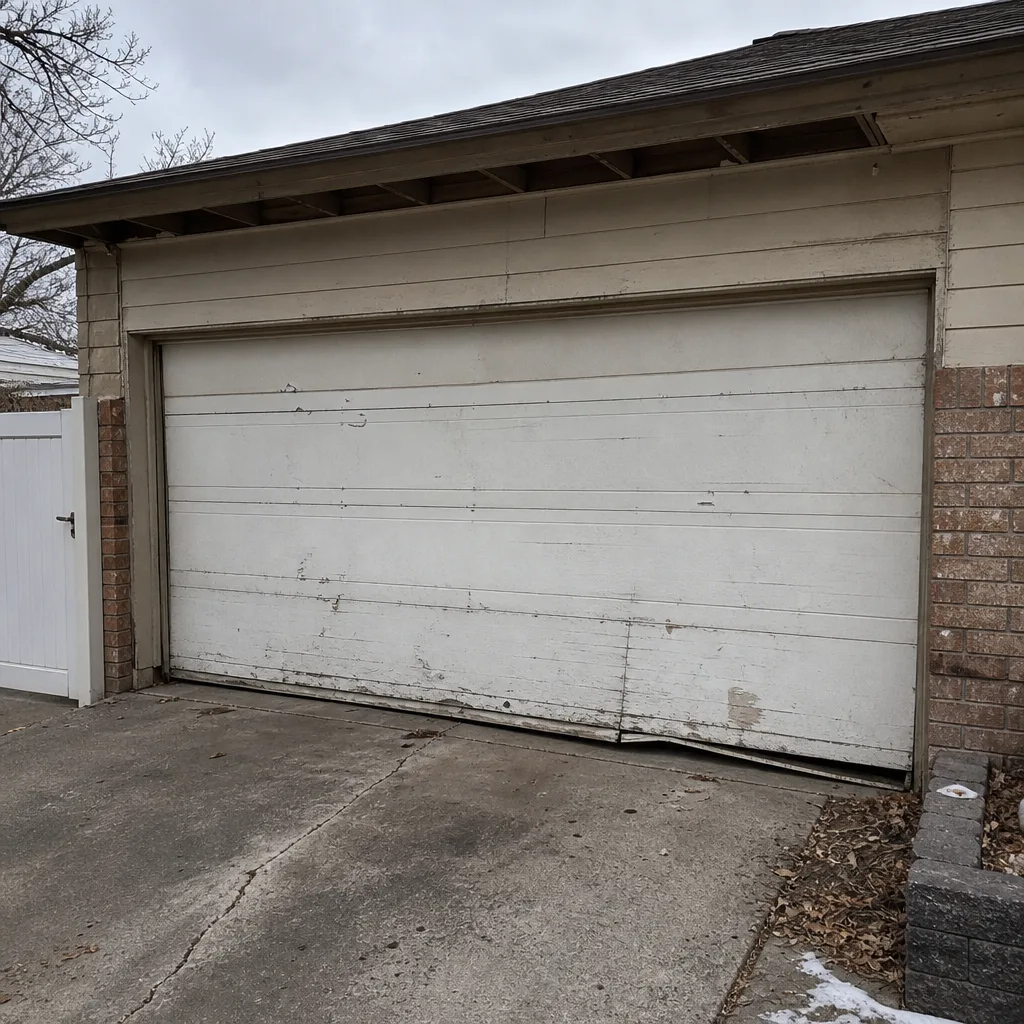 Before
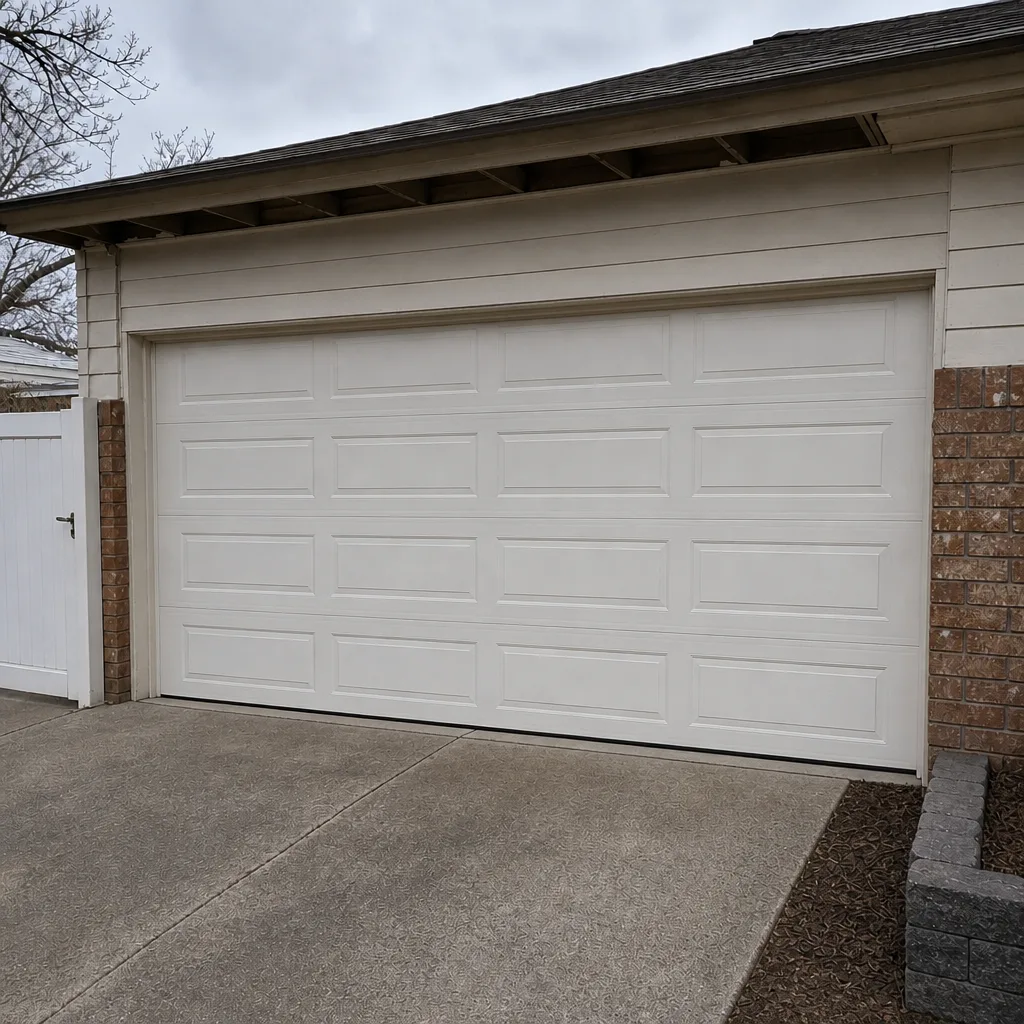 After
When to Call a Professional
Call a professional garage door specialist if any of the following is true: the door won’t lift and you suspect a broken spring; the door has come off its track; the opener runs but the door doesn’t move; the door reverses before closing or won’t stay open; the door has been damaged by a vehicle or a storm; or the door is the only way into the house and you can’t get out. Outside garage doors have springs under heavy tension and are among the most dangerous parts of a residential property. Working on them is not a ladder-and-screwdriver job. If you’ve hit something with your car and the door still opens partway, don’t try to force it closed – get it looked at.
Auburn Garage Door Service offers free estimates in West Valley City – call (844) 834-4689. We answer 24/7, and we work across the brands you already own, so you won’t be told you need a whole new system because the technician doesn’t know yours.
Frequently Asked Questions
Yes, if the door’s spring system is intact. Pull the manual release cord to disconnect the door from the opener, then lift the door by its bottom edge. If the door was already on a failing spring, it will feel very heavy and may not lift safely – in that case, leave it down and call a technician. The release on chain drive, belt drive, and jackshaft openers all do the same job but hang in different places, so find yours before you need it.
Plan on it running the door several cycles after the power goes out – enough to get a car in or out and to reconnect the door – rather than running all day. Winter cold shortens that. A backup battery that hasn’t been tested recently is the one most likely to fail. If you’re not sure your opener has one, call (844) 834-4689 and we can tell you from the model number.
No. A locksmith can open the house door or a walk-in garage door, but they can’t make a garage door open when a spring has broken or the door is off its track. If you’re locked out of the house, call a locksmith for entry. If the car is trapped or the garage door is broken, call a garage door specialist. We answer 24/7 at (844) 834-4689.
No – the price is quoted and agreed before any work starts. We give a written estimate after inspecting the door, and the final invoice matches that written price. If the estimate changes because a bigger problem turns up, you’ll hear about it before anything else is done. Estimates are free.
Yes, we’re licensed and insured. Our technicians are a single-trade garage door team – every tool and part they carry is specific to garage doors – and they have up to 9 years of experience with the door and opener brands in West Valley City homes, including LiftMaster, Chamberlain, Genie, Clopay, Amarr, Wayne Dalton, Craftsman, and Raynor. Call (844) 834-4689 to book.
Don’t run the opener repeatedly. From outside, gently break the door free from the floor along the bottom edge, clearing snow and ice from the door’s path first. If the top section is iced to the header, avoid forcing it. Once it’s free, run the door once and watch it. If it lifts unevenly or the opener strains, call a technician rather than keeping at it – a door that gets forced in winter often ends up in the shop for track work it didn’t need.
The Bottom Line
The two most common garage door emergencies in West Valley City – a broken spring and a dead opener in a winter storm – are both manageable when you’ve planned for them in advance. Know where your manual release cord is. Know whether your opener has a working backup battery. Know how to tell a broken spring from an off-track door and know not to force either one. Know which trade to call when the garage is the only way in. Do those four things and a failure you find in the morning becomes a phone call and an estimate, not a lost day. We’re here when it does – call (844) 834-4689 for a free estimate.
Written by the team at Auburn Garage Door Service.