
Last updated November 16, 2026
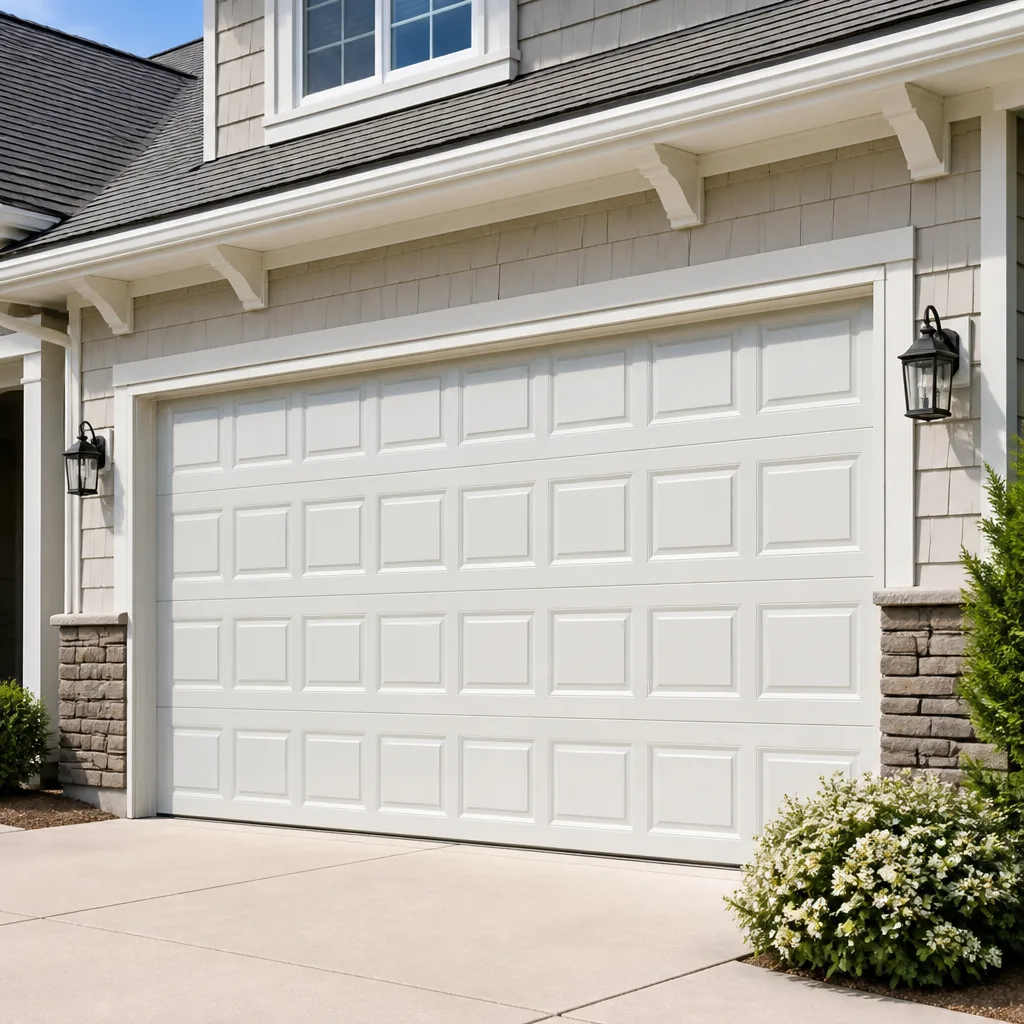 Raised-panel steel
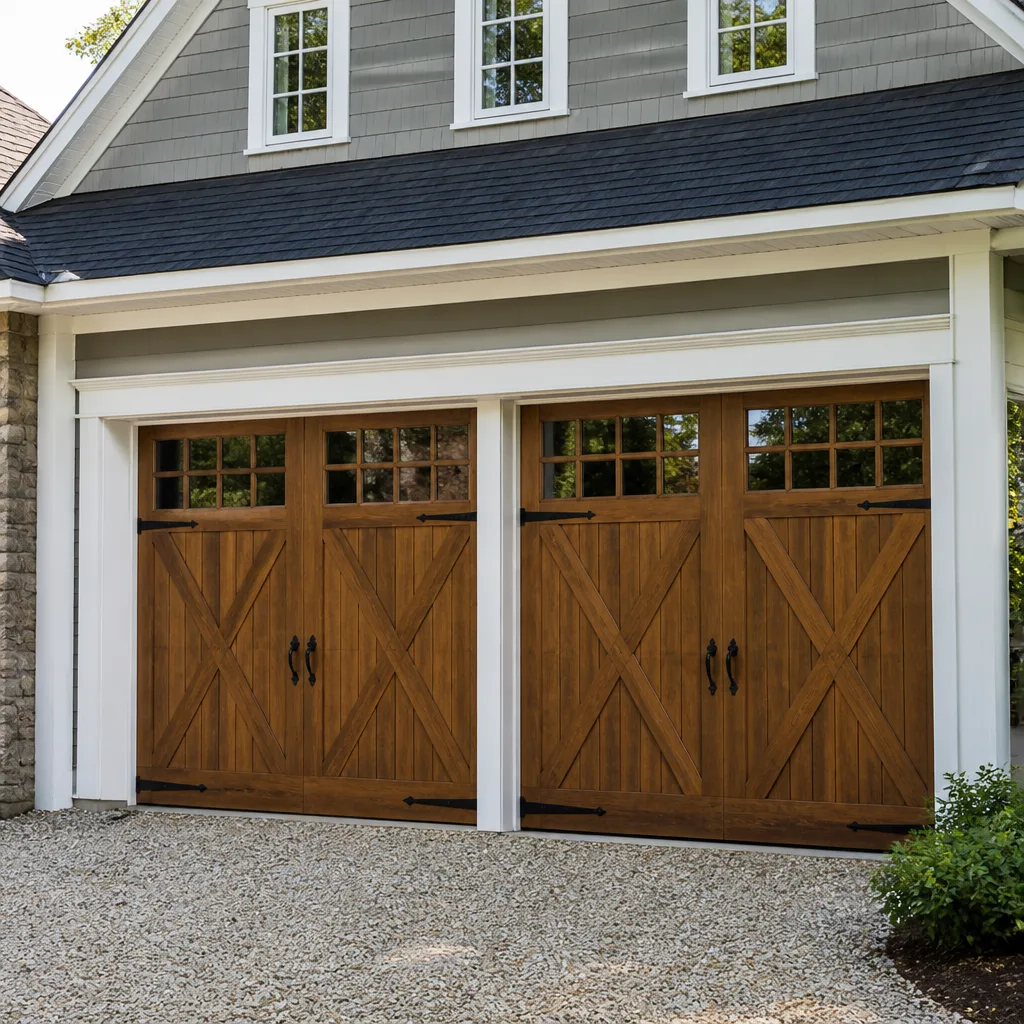 Carriage house
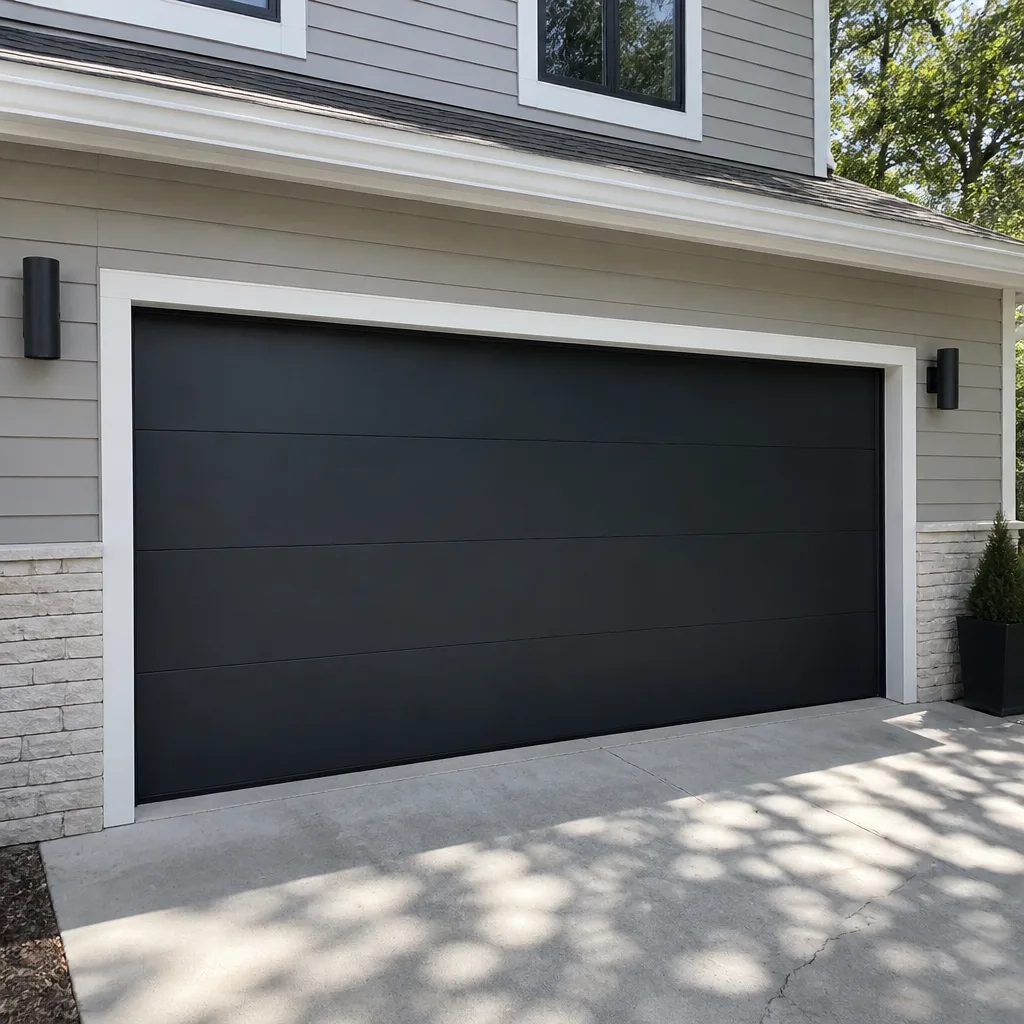 Modern flush
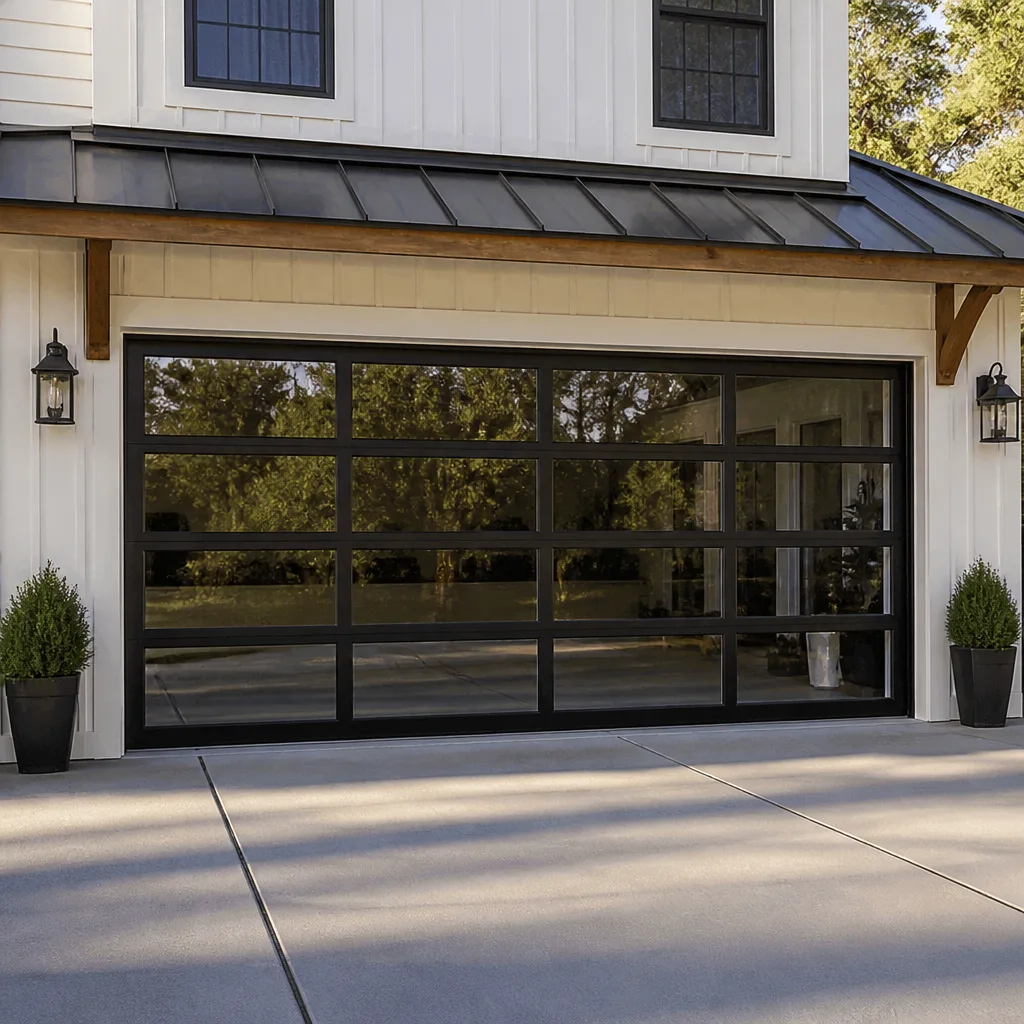 Full-view glass
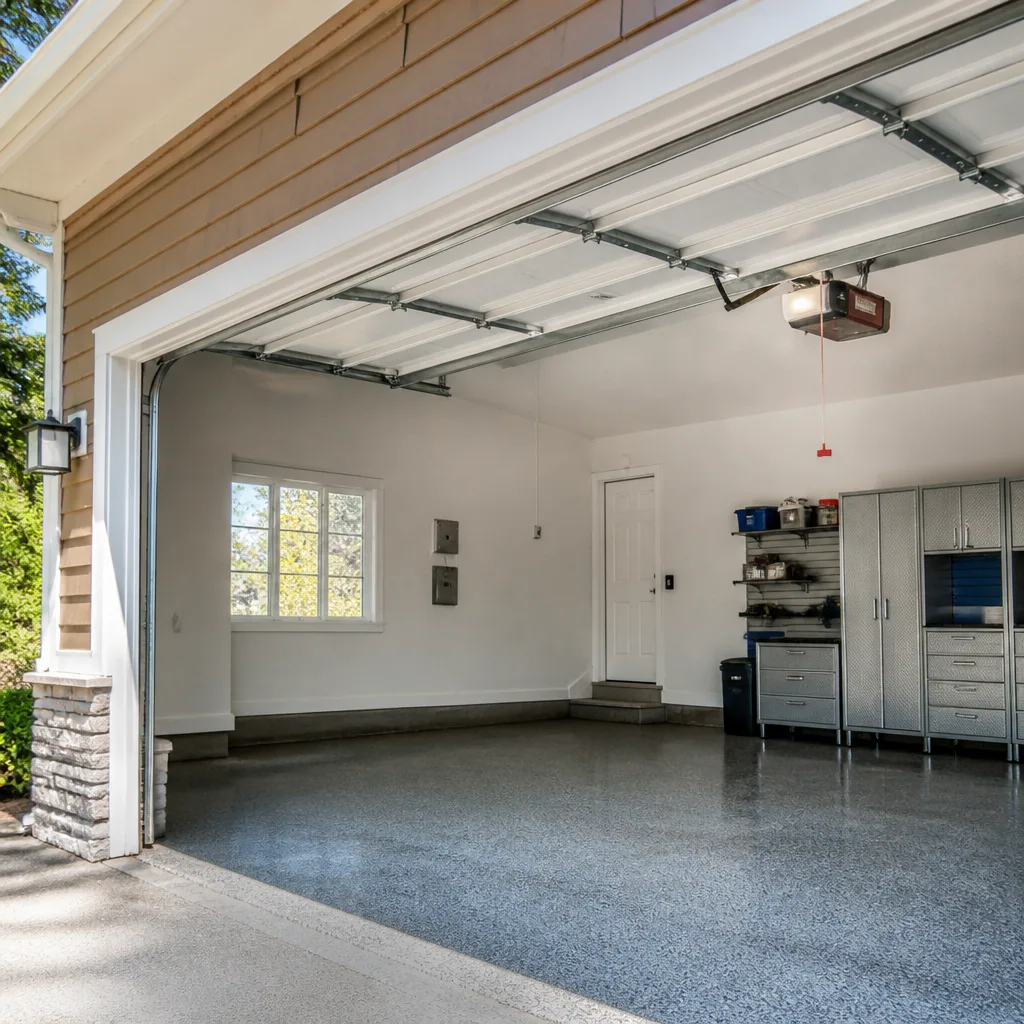 LiftMaster openers
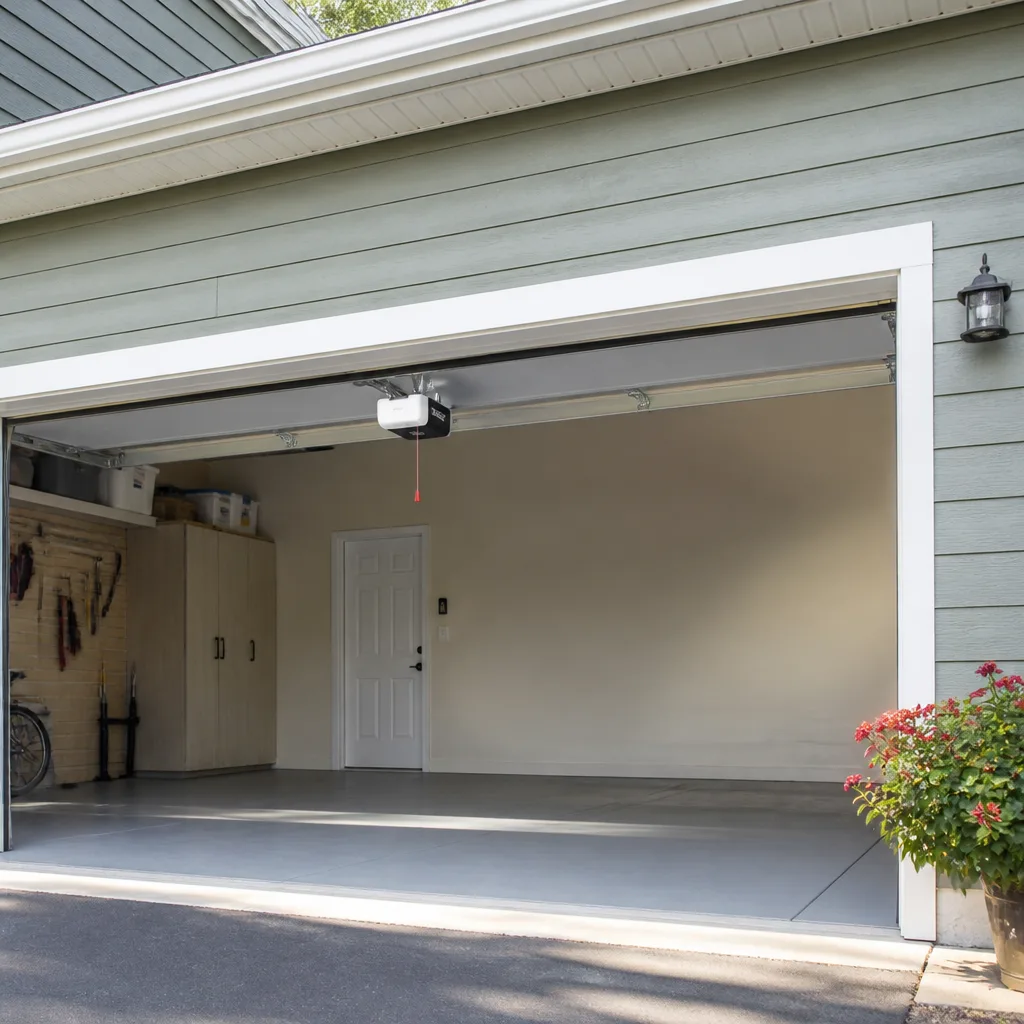 Chamberlain openers
Full 25-point door and opener safety check with every visit - springs, cables, rollers, tracks, and your LiftMaster or Chamberlain opener included
You get a price before we start. It does not change when the pro arrives.
Get your free estimateThe Complete Guide to Garage Doors in West Valley City
Most garage doors in West Valley City are older than the cars parked behind them, and almost nobody plans for it. The majority of homes here went up between 1960 and 1995, which means the door and opener on a typical West Valley City house have outlived the lifespan their builders ever intended. Springs, cables, rollers and openers were built to a schedule, and that schedule has passed. This guide is about what that aging hardware actually means for a homeowner in this valley – what you’ll find inside these doors, what fails first, how the local wind and weather speed up the wear, and what to do about it. We’ll cover repair, opener technology, new doors, HOA realities and the material choices that hold up here. No filler.
Quick Answer
Garage doors in West Valley City are mostly original or builder-grade units from the 1970s through 1990s, and the hardware on them is at or past its expected service life. The practical priorities are spring and cable safety, a properly balanced door, and an opener matched to the door’s weight and your connectivity needs. Most repairs are straightforward; replacements come down to door weight, wind rating and HOA approval.
Styles & brands we work with
- Raised-panel steel
- Carriage house
- Modern flush
- Full-view glass
- LiftMaster openers
- Chamberlain openers
Table of Contents
- Why West Valley City’s Housing Age Changes Everything
- Wind Load and the Oquirrh Corridor
- HOA Approval: What Actually Gets Rejected
- Specialist Installer vs. Big-Box Subcontractor
- Door Materials That Hold Up Here
- Choosing the Right Opener
- Springs, Cables and the Safety Line
- A Maintenance Routine That Works
Why West Valley City’s Housing Age Changes Everything
The median garage door in West Valley City was installed by a builder who bought in bulk, and that fact shapes almost every repair and replacement decision here. Homes built from the 1960s through the mid-1990s typically came with wood or early steel panel doors on a torsion-spring system, paired with a chain-drive opener. Some of those openers are still running. The trick is knowing what’s inside before you order parts.
Older tract homes in West Valley City often have non-standard headroom above the door, undersized or settled framing, and spring systems that were sized for a lighter door than what’s hanging there now if the panels were ever swapped. When we price a replacement, we measure door weight and headroom first, because a modern insulated steel door can weigh considerably more than the door it’s replacing. That single number determines whether the existing opener, springs and tracks can stay or need to go with the door.
What this means for homeowners:
- A door from the 1980s may still open smoothly while its springs are close to failure – smooth operation is not proof of health.
- Replacing a door without re-sizing the springs and opener is the most common hidden problem in older West Valley City homes.
- Builder-grade openers from that era often lack safety reversing systems that current standards expect, which is a good reason to upgrade when the opener fails.
- Wood doors from the 1960s and 70s are prone to swelling and binding at the bottom section, which puts extra strain on the opener motor.
If you’re working through a repair on an older door, our garage door repair page covers the specific failure points we see most on this housing stock.
Wind Load and the Oquirrh Corridor
West Valley City sits between the Oquirrh Mountains and the Great Salt Lake valley floor, and that geography channels wind in ways a flat suburban town doesn’t experience. Homes on the west side of the city, closer to the foothills, face higher sustained wind and stronger gusts than homes tucked into the interior subdivisions. That matters for garage doors because a door is essentially a large sail mounted on a track, and it takes the full force of every gust.
Utah’s residential building code includes wind-load provisions (R907 in the adopted residential code) that apply to garage doors on new construction and on replacements where the door is a regulated structural component. For a replacement door, whether R907 wind-rating requirements apply depends on your home’s specific requirements and jurisdiction – which is why we ask the city’s building department directly rather than guessing. A wind-rated door has heavier reinforcement in the panels and a stronger track and hardware package, and on the west side of West Valley City it’s worth the difference.
Signs your door is struggling with wind load:
- The door bows inward or outward when a gust hits.
- Panels flex audibly or rattle against the frame.
- The bottom seal lifts on one side more than the other.
- Tracks show loosening at the fasteners, or the door pulls away from the jamb.
- Rollers jump or pop in high wind even when the door is closed.
We install and service doors rated to handle this corridor’s wind, and we’ll tell you when a standard door is enough rather than sell you a rating you don’t need. Our West Valley City page lists the neighborhoods we cover most.
HOA Approval: What Actually Gets Rejected
West Valley City’s subdivisions carry a dense layer of homeowner association rules, and the most common cause of a rejected door replacement isn’t the door at all – it’s missing paperwork. HOAs don’t reject good doors; they reject incomplete submissions. Here’s what we see happen, and what a competent installer should provide before the door is ordered.
Documentation an installer should hand you for HOA submission:
- A specification sheet showing door model, color, panel style and window configuration.
- A photo or manufacturer rendering of the door in the proposed color.
- Written confirmation of material and finish, so the HOA can compare it to its approved palette.
- Dimensioned drawings showing the door within the opening and any face-mount hardware.
- Confirmation the door meets the community’s wind-rating or structural requirements if the CC&Rs require it.
Rejections usually come down to color drift (the “almond” on the swatch is not the almond in the CC&Rs), window patterns that don’t match the community, or a style change that shifts the look of the street. Ask for approval in writing before the door is ordered, because a door already built to your spec is not something you can return.
Our approach is to prepare the documentation package for you, get the HOA’s sign-off in writing, and only then place the order. If you’re planning a full replacement, the Auburn Garage Door Service team handles that sequence as part of the job.
Specialist Installer vs. Big-Box Subcontractor
When a big-box store sells you a garage door, the door arrives on a subcontractor’s truck, and the store’s warranty covers the door while the installer’s covers the labor – two separate parties who can point at each other when something fails. A specialist installer owns the whole transaction: the measurement, the order, the installation and the warranty. That difference matters more than most homeowners realize until something goes wrong.
Here’s how the two paths actually differ:
- Parts sourcing: a specialist orders to the exact door weight and headroom measured on site. A big-box subcontractor installs what the store delivered, which may be a stock size that requires a trim-out to fit.
- Warranty accountability: with a specialist, one party stands behind both the hardware and the labor. With a subcontractor, the store covers the door and the installer covers the work.
- Brand familiarity: we’re certified across eight major brands – LiftMaster, Chamberlain, Genie, Clopay, Amarr, Wayne Dalton, Craftsman and Raynor – so we arrive knowing the hardware rather than learning it on your door.
- Single-trade focus: garage doors are all we do. Every tool and every part we bring is specific to this work, not to plumbing, HVAC or general contracting.
The practical test for any installer is simple: ask who handles the warranty on labor, and ask what happens if the door they ordered doesn’t fit. A specialist has an answer before the order is placed.
Door Materials That Hold Up Here
West Valley City has large daytime temperature swings, an inversion layer that traps air against the valley floor during winter, and higher UV exposure at elevation. Together these three forces decide which door materials survive and which ones fade, warp or chalk within a few years. The good news is that the materials that handle this climate are not the premium-exclusive ones – the right finish matters more than the brand name.
How the main materials perform in this valley:
- Insulated steel: the strongest all-around choice here. It resists warping across temperature swings, holds a factory finish well against UV, and the insulation helps moderate the temperature inside an attached garage during inversion season.
- Fiberglass: light and stable, but cheaper fiberglass panels can chalk and yellow under sustained UV, so specify a UV-stabilized finish if you go this route.
- Wood: beautiful and appropriate for older homes, but wood needs re-finishing more often than in a milder climate because of the seasonal movement here. An unprotected wood door warps within a few gyrations of freeze and thaw.
- Aluminum: good for modern styles and rust-resistant, but it dents easily in a wind corridor and needs careful storm anchoring.
The finish on a steel or fiberglass door is what actually protects it from UV, so a quality factory finish is worth more than an extra layer of decorative trim. We install doors across the price spectrum from builder-grade to premium residential, and we’ll steer you to the material that fits your home and pocket rather than the most expensive option on the sheet.
Choosing the Right Opener
The right opener for a West Valley City home depends less on the door than on how you use the garage and whether you want it connected to your phone. Most modern homes here are well served by a belt-drive unit from LiftMaster or Chamberlain for quieter operation and smart-home compatibility. Older homes, detached garages and budget-conscious projects often do better with a dependable Genie chain drive, which is easy to service and inexpensive to replace. The question is never which is “best” – it’s which fits your door weight, your ceiling, and how you live.
What to weigh when choosing:
- Door weight and type – a heavy insulated door needs a stronger opener than a lightweight single-panel door.
- Noise sensitivity – if a bedroom is above the garage, a belt drive is worth the small premium.
- Connectivity – modern Wi-Fi openers from LiftMaster and Chamberlain let you open, close and monitor the door from your phone, which is useful if you travel or have pets at home.
- Battery backup – if your neighborhood has lost power during storms, a backup unit keeps the door working when the grid doesn’t.
- Age of the existing unit – an opener from the 1990s may still run but probably lacks the safety reversing system a modern door requires.
Match the opener to the door and the owner, and check the opener’s headroom and rail length before ordering. When an existing opener needs fixing rather than replacing, our garage door opener repair team handles units of every vintage across the brands we service.
Springs, Cables and the Safety Line
The springs and cables on a garage door are under extreme tension, and they are the one part of this system nobody should touch without training. A torsion spring carries enough stored energy to cause serious injury if it releases while you’re near it, and the cables that run with it are equally dangerous. This is the clearest safety line in the whole trade: spring and cable work belongs to a trained technician, full stop. We don’t give DIY instructions for springs, and no guide should.
What you can safely do is recognize the warning signs and call before something fails:
- A loud bang from the garage followed by a door that won’t lift – almost always a broken spring.
- A door that lifts a few inches and stops, or feels unusually heavy.
- A visible gap in the spring coil, or cables that look frayed or slack.
- A door that hangs crooked on one side.
- Any door that has had its springs replaced but still won’t balance.
When a spring breaks on an older West Valley City door, it usually makes sense to replace the matched pair rather than one. The springs were installed together and have cycled the same number of times, so the second one is close behind the first. Our technicians have up to 9 years of experience with these systems, and they can tell you in a few minutes whether you’re looking at a single spring or a pair, and what the door needs long term.
A Maintenance Routine That Works
A garage door in West Valley City will last noticeably longer with a few simple habits, and none of them involve touching a spring. The work is about inspection, lubrication and correction of small problems before they become big ones. Here’s a routine we recommend to homeowners.
- Once a month, watch the door. Run it up and down and listen. Grinding, popping or a door that slams down are early warnings.
- Twice a year, lubricate. A light application to the rollers, hinges and the track itself keeps the door running smoothly through the seasonal swings here.
- Test the safety reverse every month. Place a small object on the threshold, close the door, and confirm it reverses on contact. If it doesn’t, the opener needs attention.
- Check the balance. Close the door, pull the release, and lift it by hand. A balanced door holds position partway up. A door that falls or needs muscle needs a technician.
- Look at the weather seal at the bottom of the door. An old seal lets wind and water in, and in this valley that means dust and winter cold. It’s an inexpensive replacement.
- Watch for rust at the bottom panel. Road salt tracked into the garage over winter accelerates corrosion on the lowest panel, so a good rinse and a touch-up goes a long way.
A routine like this doesn’t replace a professional inspection, but it catches the cheap problems before they turn into expensive ones.
Common Mistakes to Avoid
- Replacing the door without re-sizing the springs and opener. A heavier modern door needs hardware matched to its weight, and a door that was sized for a 1970s wood panel won’t behave the same with a new insulated steel unit.
- Cutting the tracks or lowering the header for a “close enough” fit. Trimming a stock size instead of ordering to the true opening causes tracking, binding and premature wear.
- Ordering a door before the HOA signs off. A door built to your color and panel spec can’t be returned, and an unapproved door has to come back off.
- Ignoring a door that won’t stay closed or reverses on its own. That’s usually a sign the opener’s force settings or safety sensors need attention, and it can lead to the door coming down on something or someone.
- Trying to adjust or replace springs yourself. This is a hard stop. Springs and cables are under extreme tension, and the risk to life and limb isn’t worth saving the cost of a service call.
- Choosing a door color from memory instead of from the HOA’s approved palette. Nearly every color rejection in this city comes from a swatch mismatch, not a bad door.
- Buying a door without considering wind rating. Homes near the Oquirrh foothills on the west side of West Valley City take real wind loads, and a non-rated door can fail or wear out prematurely.
See the difference
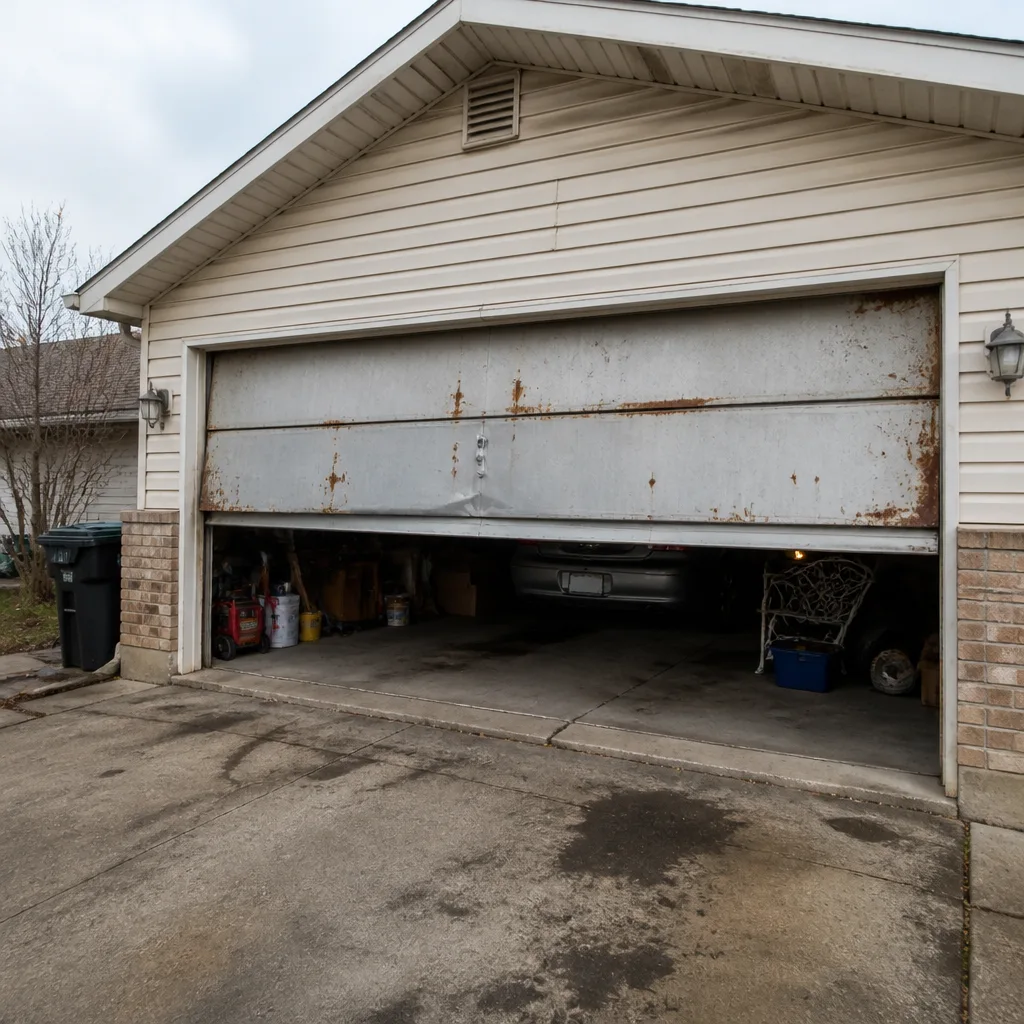 Before
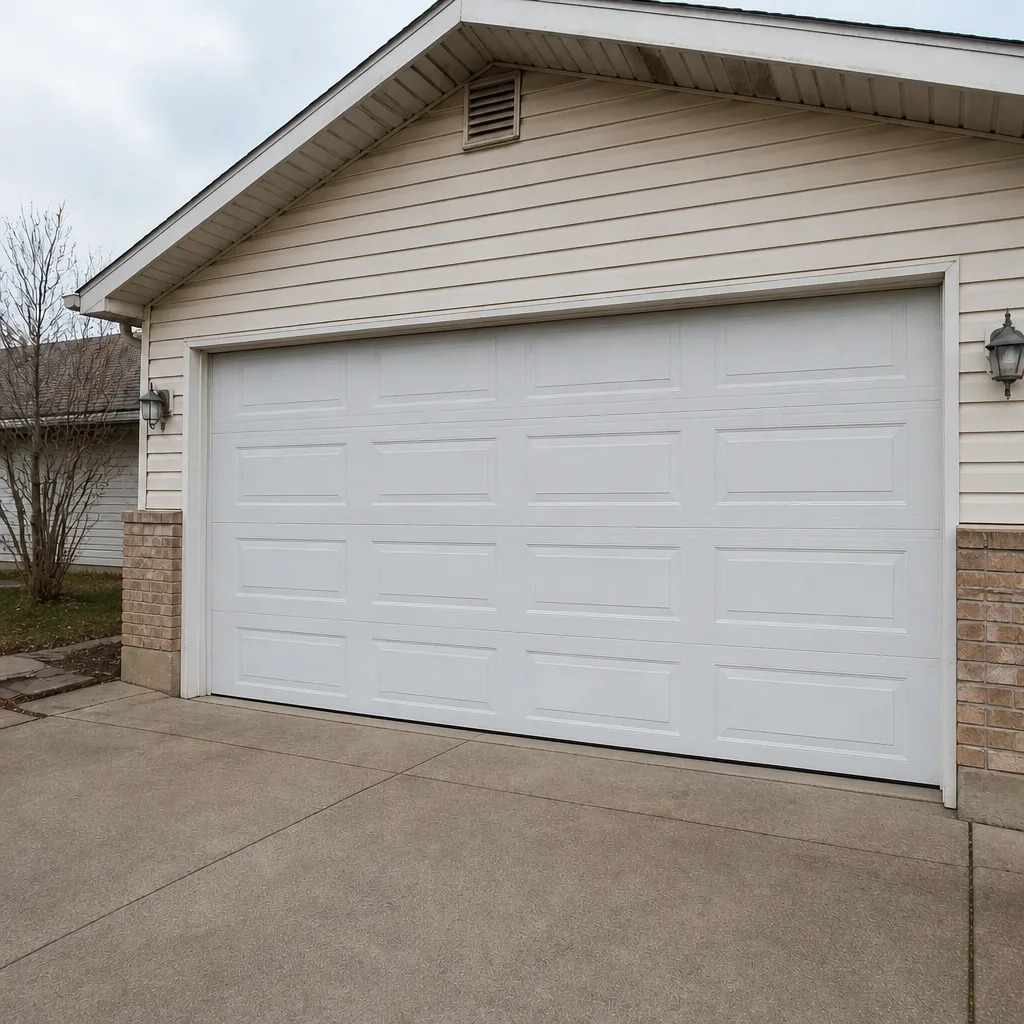 After
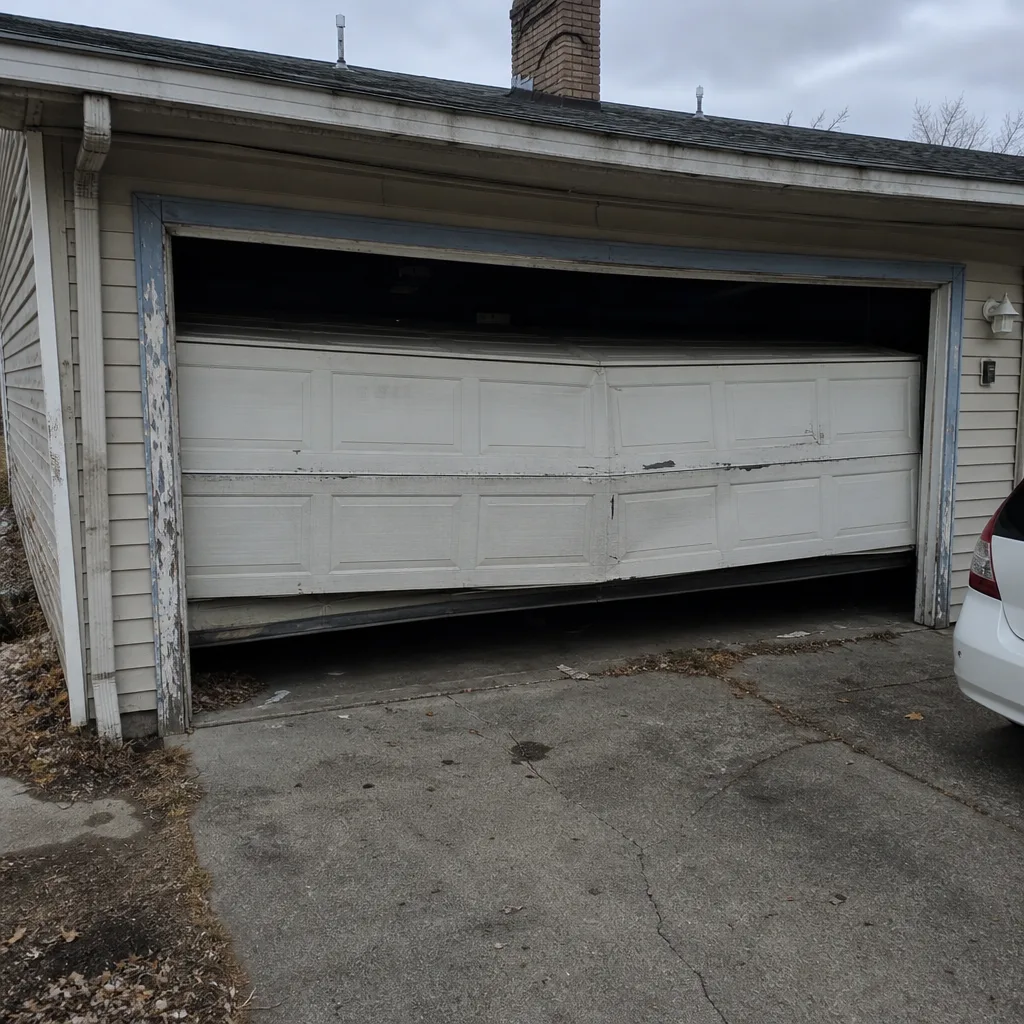 Before
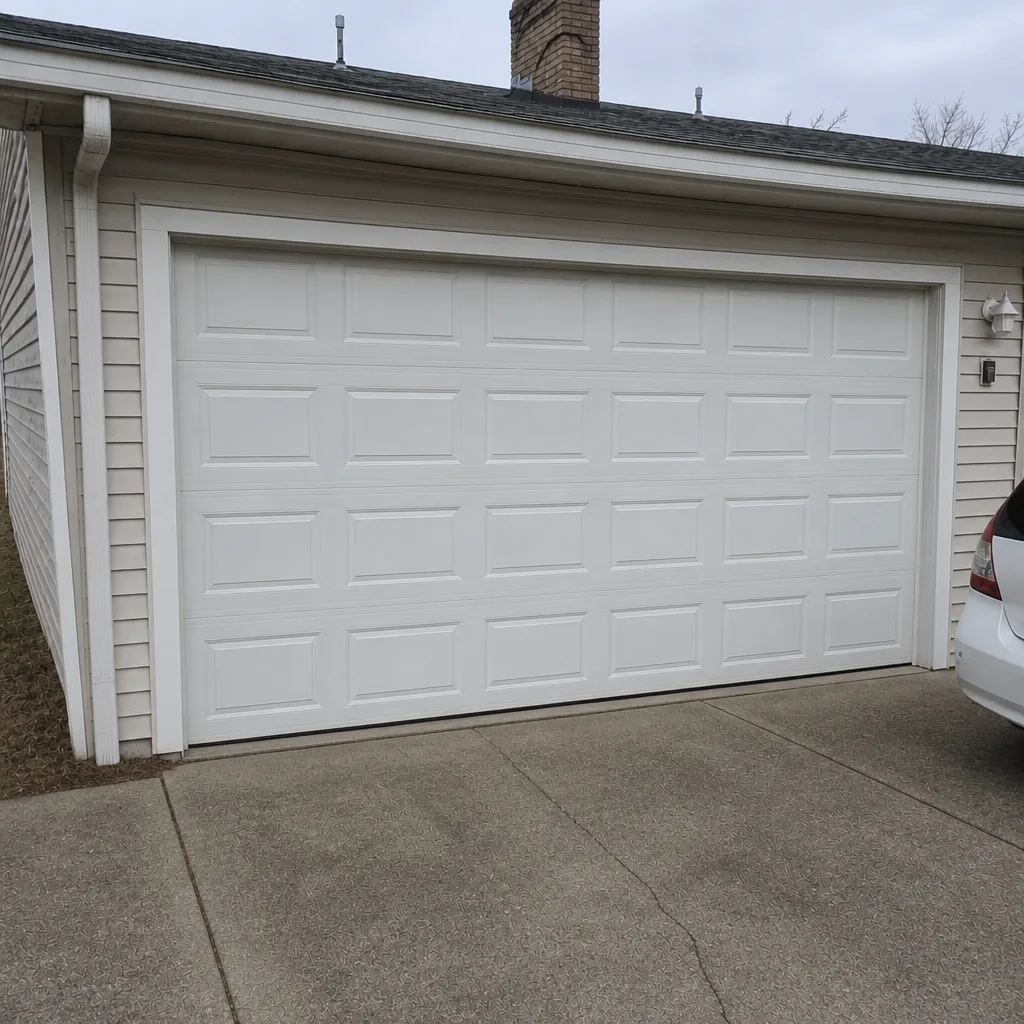 After
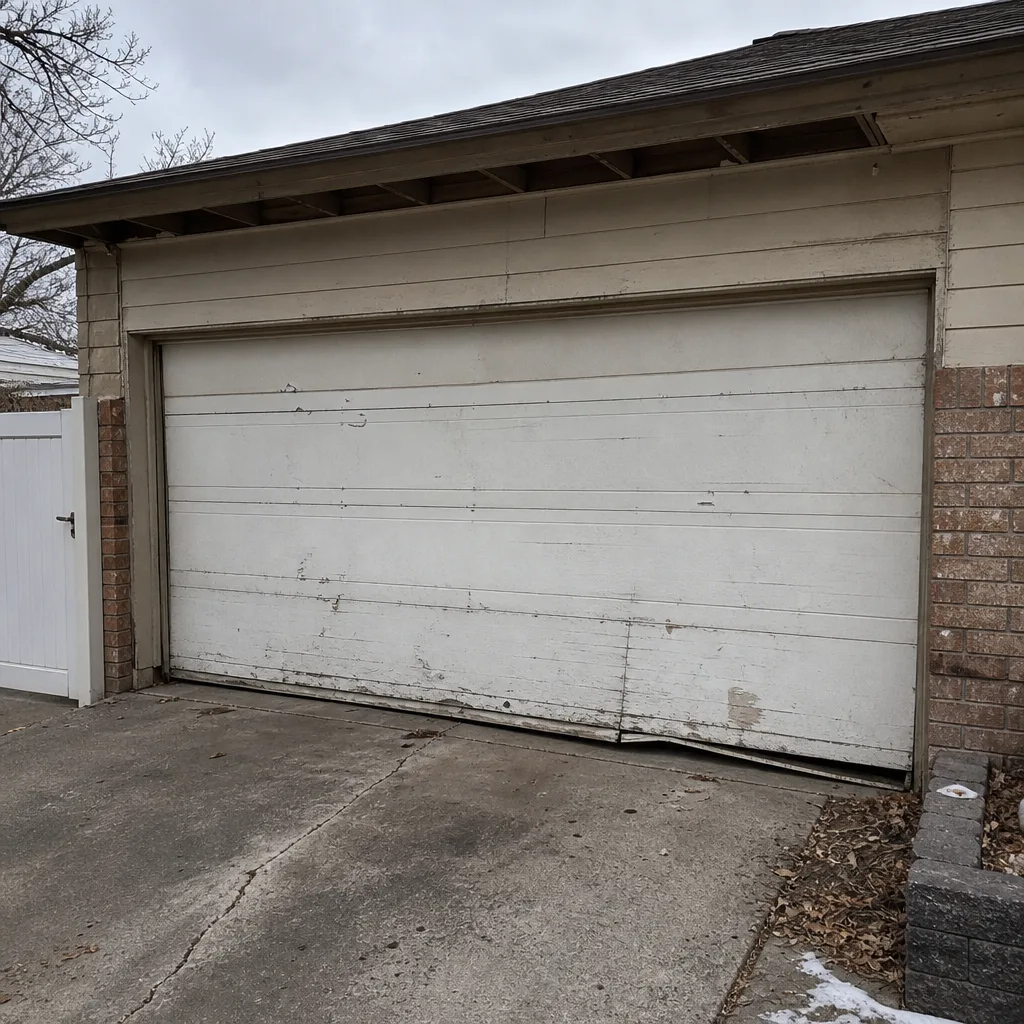 Before
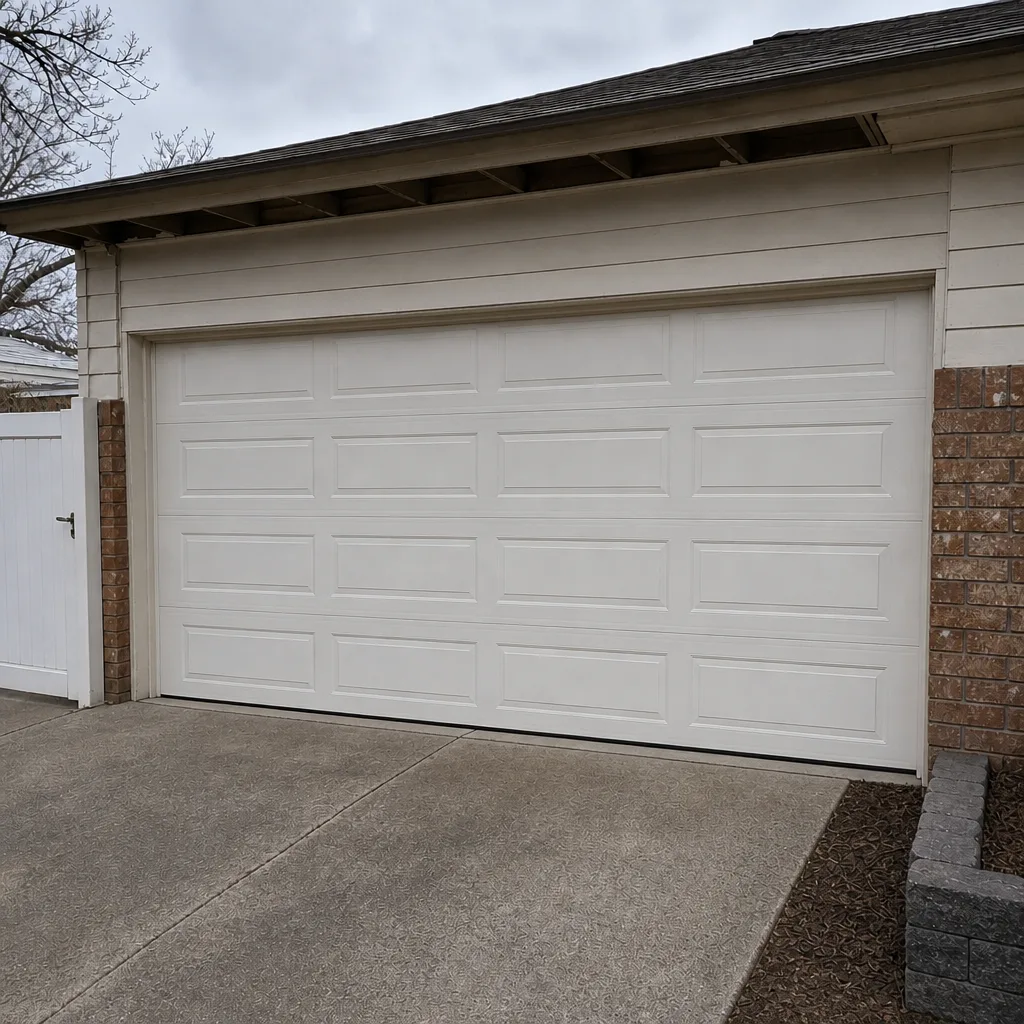 After
When to Call a Professional
Some garage door problems are diy-friendly (a new bottom seal, a remote that needs re-pairing), but others should go to a trained technician without delay. Call us when a spring breaks or you hear a loud bang; when the door hangs crooked, or reverses on its own; when the opener runs but the door doesn’t move; when a door is heavier than it used to be; when tracks are bent or the door pulls away from the jamb; when the weather seal has torn and lets wind in; or when your door has cycled the same number of times as the rest of the hardware in a home built before 1995. Auburn Garage Door Service offers free estimates in West Valley City – call (844) 834-4689. We answer 24/7. Fast dispatch from 7am to 7pm, Sunday through Friday.
Frequently Asked Questions
With rare exceptions, a door needs repair rather than replacement if the panels, framing and bottom seal are intact. A broken spring, a failed opener, worn rollers or a small alignment issue is a repair. Replacement makes sense when the door is physically damaged, badly warped, consistently out of balance even after service, or so old that the cost of repeated repairs starts to approach a new door. On a home built between 1960 and 1995, several repairs on the same door is a signal to price a replacement. Call (844) 834-4689 for a free estimate if you’re unsure which path you’re on.
It depends on where your home sits. West-side homes near the Oquirrh foothills take the strongest sustained wind and gusts, and a wind-rated door with reinforced hardware is worth it there. Homes in the interior subdivisions are usually well served by a standard door. Whether Utah’s residential wind-load code (R907) applies to your specific replacement depends on your home and jurisdiction, so the right move is to ask the city’s building department directly. We do that for every replacement we quote.
HOAs rarely reject a compliant door; they reject incomplete submissions. Almost every rejection comes down to a color mismatch against the approved palette, a window pattern that doesn’t fit the community, or a style change that alters the look of the street. Submit a full specification sheet, a rendering of the door in the proposed color, material confirmation and dimensioned drawings, and get written approval before the door is ordered. We prepare that package as part of every replacement.
We’re certified across eight major garage door and opener brands: LiftMaster, Chamberlain, Genie, Clopay, Amarr, Wayne Dalton, Craftsman and Raynor. That covers the two dominant smart-home opener lines (LiftMaster and Chamberlain), legacy and budget openers (Genie, Craftsman), and doors from builder-grade up through premium residential (Clopay, Amarr, Wayne Dalton, Raynor). When we arrive at a West Valley City home, the technician already knows the hardware on the door.
For most repairs, yes. We handle same-day service for common failures – a broken spring, a failed opener, a door off its track, a remote that’s stopped working. Call (844) 834-4689 and we’ll book the earliest opening. We answer 24/7, and fast dispatch runs from 7am to 7pm, Sunday through Friday. New door installs are measured, ordered and scheduled rather than same-day, since they depend on the HOA and manufacturer lead time.
We don’t quote prices over the phone because the cost depends on the door and the actual failure. What we do is walk you through the written estimate before any work starts, so you know exactly what’s being fixed and what it costs. The estimate is free, the price is set per job, and it doesn’t change once you’ve approved it – even if the job turns out to need more time than we expected. Call (844) 834-4689 for your free estimate.
The Bottom Line
Garage doors in West Valley City are older than most owners realize, and the three forces that wear them down – temperature swings, wind from the Oquirrh corridor, and UV at elevation – are local conditions a national guide will never tell you about. The right approach is to match your door and opener to your home’s actual age and construction, get HOA approval in writing before ordering, choose a specialist who knows the hardware rather than a subcontractor, and never touch a spring yourself. If you need repair or a full replacement, call us for a free estimate and we’ll tell you exactly what the job needs.
Call (844) 834-4689 for a free estimate. We answer 24/7. Fast dispatch from 7am to 7pm, Sunday through Friday, and we’re closed Saturday.
Written by the team at Auburn Garage Door Service.