
Last updated November 16, 2026
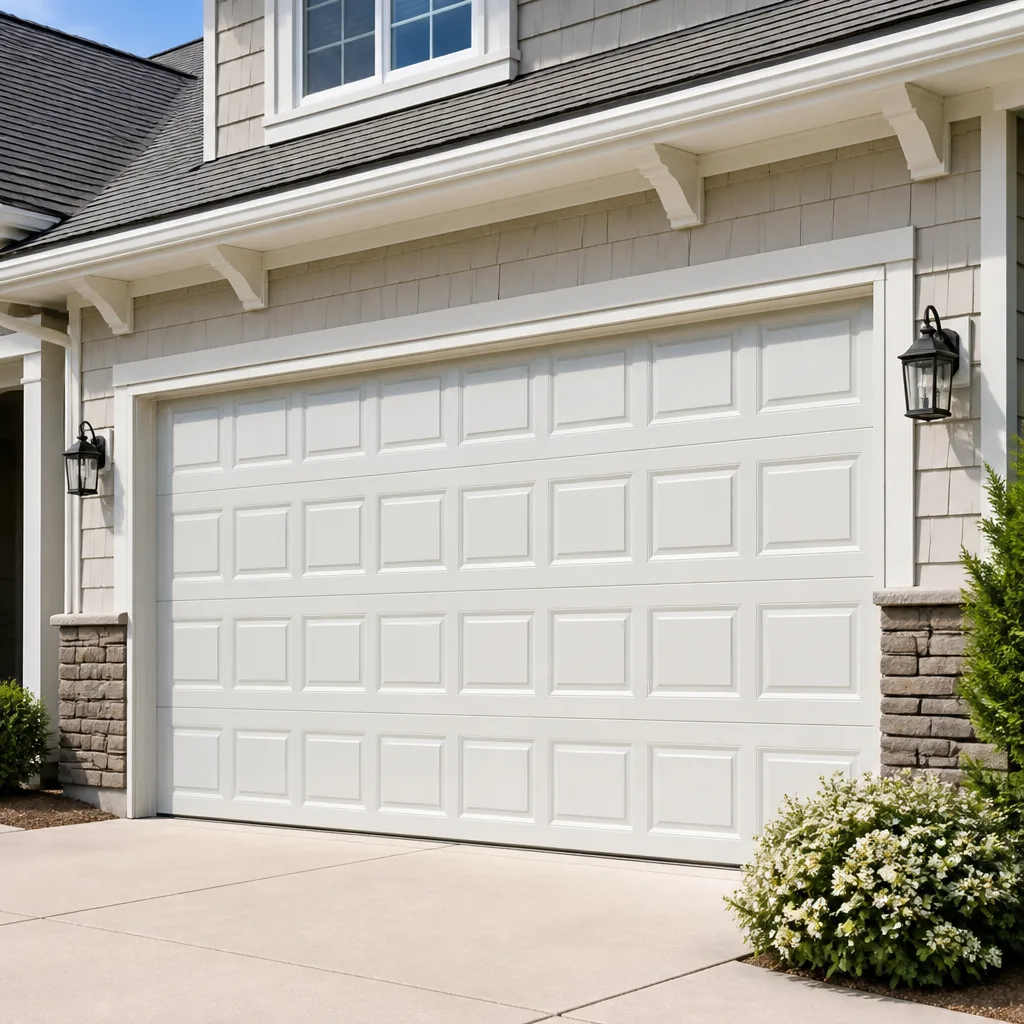 Raised-panel steel
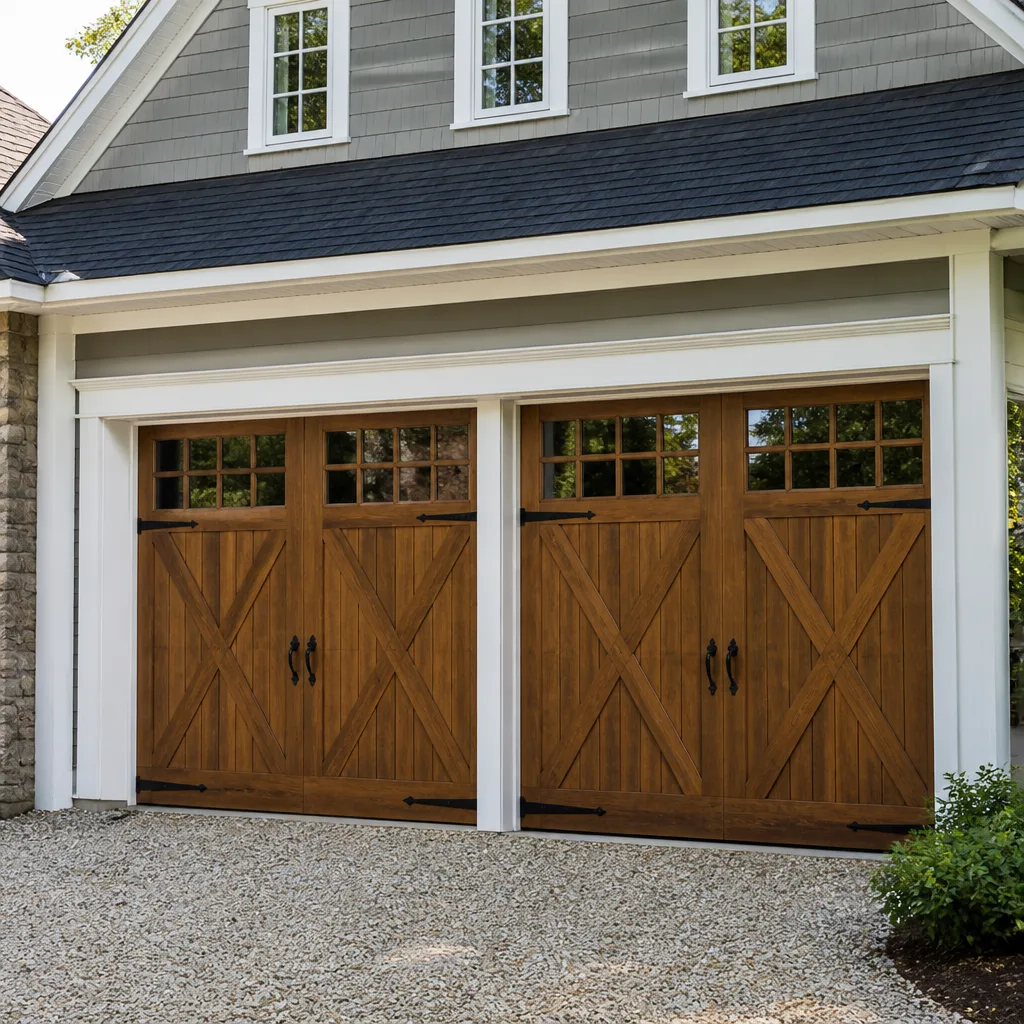 Carriage house
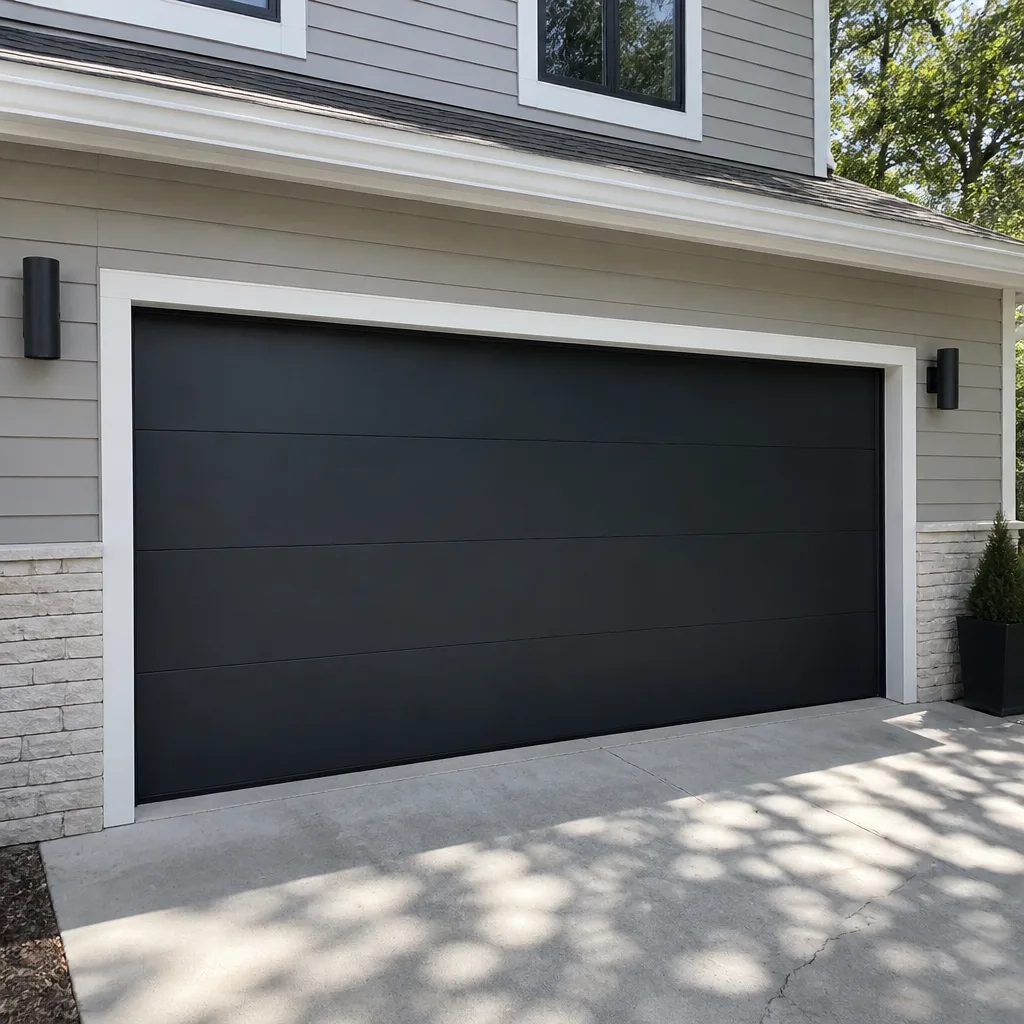 Modern flush
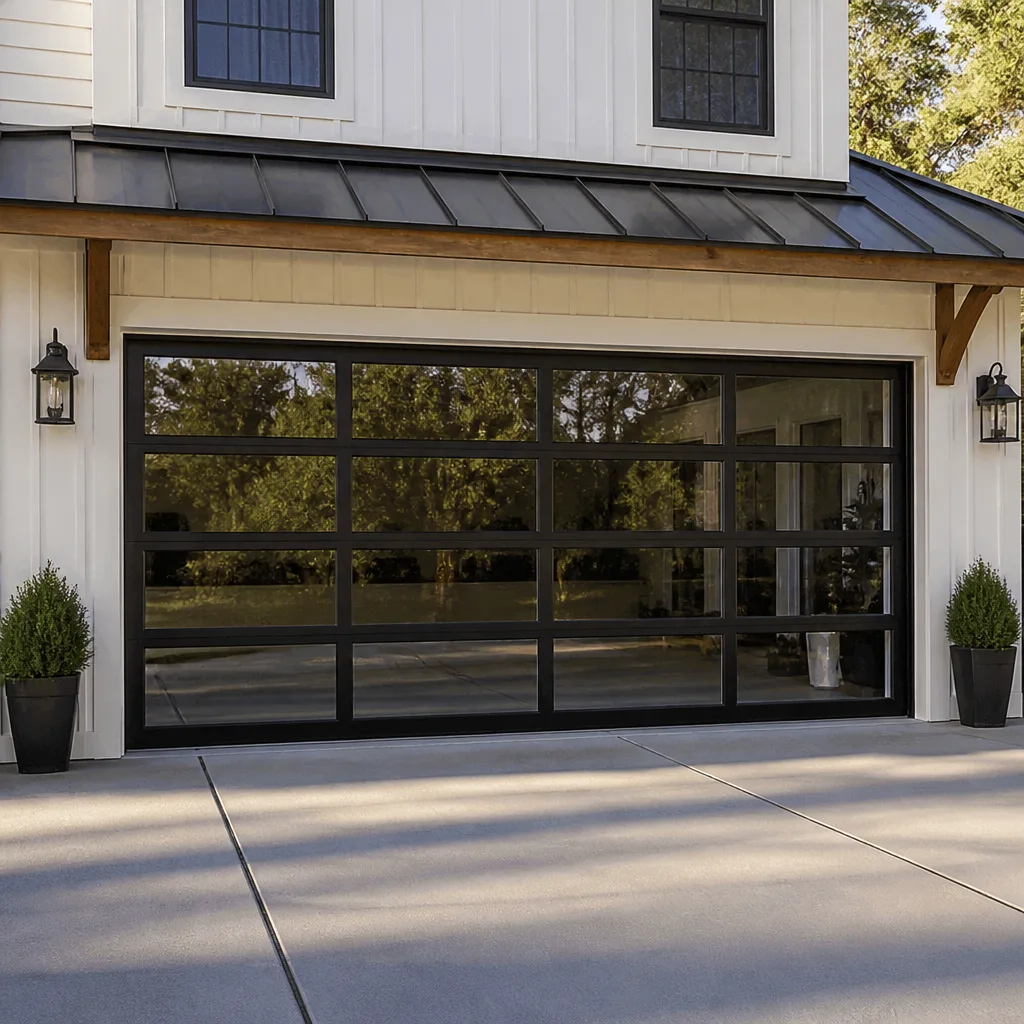 Full-view glass
 LiftMaster openers
 Chamberlain openers
Full 25-point door and opener safety check with every visit - springs, cables, rollers, tracks, and your LiftMaster or Chamberlain opener included
You get a price before we start. It does not change when the pro arrives.
Get your free estimateGarage Door Repair Maintenance Schedule: What to Do and When
Your garage door’s springs don’t age in years. They age in cycles, and every open and close counts as one. That’s why “replace the springs every seven years” is often the wrong advice, because a household that comes and goes several times a day will wear through a spring’s rated life far sooner than a quiet one, and there’s no calendar shortcut that fixes that. A maintenance schedule built around real mechanical wear does two things a yearly tune-up never can: it catches failing parts while they’re still cheap to replace, and it keeps small problems from turning into a door that won’t budge. Here’s the schedule we’d hand a West Valley City homeowner, week by season.
Quick Answer
Run a 10-minute visual inspection every season, lubricate moving parts twice a year (before and after winter), and check spring balance and roller condition yearly. Build the rest of your schedule around cycle counts, not the calendar: a door used eight times a day needs a balance check roughly twice as often as one used three times. The three components that show visible wear before they fail – the torsion springs, the rollers, and the hinges – usually give you a 60 to 90 day warning window to plan the repair instead of paying for an emergency.
Styles & brands we work with
- Raised-panel steel
- Carriage house
- Modern flush
- Full-view glass
- LiftMaster openers
- Chamberlain openers
Table of Contents
- Why a Cycle Count Beats a Calendar
- The Seasonal Schedule: Pre-Winter and Post-Winter
- The Right Lubricant for the Right Part
- The 10-Minute Visual Inspection Checklist
- Tasks That Extend Life vs. Tasks That Are Just Cosmetic
- The Three Components That Warn You Before They Fail
- How to Set Up Your Own Maintenance Log
- Common Mistakes to Avoid
Why a Cycle Count Beats a Calendar
Torsion and extension springs are rated in cycles, not years. The industry standard spring is typically rated for around 10,000 cycles, which sounds like a lot until you do the math. A family that opens the door four times in the morning and six times in the evening is logging ten cycles a day, and that door wears through its springs far sooner than a door used twice daily. The same spring in both homes. Two very different replacement dates.
This matters in West Valley City because daily routines here tend to be door-heavy. Parents leaving for work, kids getting bikes and sports gear, errands before dinner, and the door cycling again after dark. A garage door that gets run like that is not the same animal as one used to park a car and nothing more.
So instead of asking “has it been a year?”, ask a better question:
- Count your daily cycles. Track every open and close for one ordinary weekday and one Saturday. Multiply the weekday number by five, add the weekend number, and you have a rough weekly figure.
- Multiply by 52. That’s your annual cycle count, and it’s the number that actually predicts spring life.
- Schedule around that number, not the page on the calendar. A high-cycle door gets more frequent balance checks. A low-cycle door can stretch the interval comfortably.
We’ve seen doors in West Valley City where the springs clearly ran double the cycles everyone assumed, simply because nobody ever counted. Once you know your number, every other decision on this page falls into place.
The Seasonal Schedule: Pre-Winter and Post-Winter
Two times of year deserve special attention, and both are tied to the fact that Utah’s Wasatch Front delivers a genuine winter: months of freezing nights, hard frosts, and wide swings between noon warmth and a cold morning start. Metal contracts in cold and expands when it warms, and doors with steel track, hinges, and springs feel those cycles of contraction and expansion. That’s why the two most useful maintenance moments are right before winter sets in and right after it breaks.
Pre-Winter (Late Fall)
- Lubricate everything that moves. Cold slows grease and stiffens hinges and rollers. Fresh lubricant before the freezing nights hit keeps parts working smoothly when the door needs the least friction.
- Check the door’s balance. Disconnect the opener and lift the door halfway. A balanced door stays where you put it. One that drifts down or shoots up needs a professional look at the spring tension.
- Inspect the weather seal and bottom rubber. A cracked bottom seal lets cold air and moisture in, and it’s one of the cheapest parts to replace. Look for stiff, split, or torn rubber.
- Test the safety reverse. Place a small board in the door’s path and close it. The door should reverse on contact. This is a safety check, and it needs to work in cold weather too.
- Clear snow and ice buildup risks. Make sure the door’s seal can lift cleanly off the concrete when frost builds up. A stuck seal can tax the opener.
Post-Winter (Early Spring)
- Re-lubricate hinges and rollers. Winter strips lubrication and leaves parts dry. This is the one maintenance step that costs almost nothing and prevents so much wear.
- Check for rust and pitting. Look along the bottom track and the door’s bottom sections. Snow and slush push moisture into low points.
- Re-check balance and spring tension. A winter’s worth of cold cycling can shift things subtly. If the door suddenly feels heavy or slams down hard, that’s a sign the springs are losing tension.
- Inspect cables and drums. Cables shouldn’t be frayed, kinked, or slack. This is a visual-only check. Never touch a cable under tension.
- Clean the tracks. Snow, grit, and debris pack into tracks over the winter. Wipe them clean and check they’re plumb and aligned.
Do those two check-ins, and you cover the vast majority of what the seasons do to a door in West Valley City.
The Right Lubricant for the Right Part
The single most common mistake we see on garage door maintenance is the wrong product on the wrong part. Lubrication isn’t one action; it’s different actions on different components. And using the wrong one does more harm than good: it attracts dust that grinds away at the part, or binds a component that needs to move freely.
Here’s the honest breakdown, component by component.
- Torsion springs: These need a light, non-sticky lubricant. A dedicated garage door lubricant spray designed for springs is the safe choice. A heavy grease that grabs grit will coat the spring and become an abrasive paste over time. Do not add any lubricant to a cracked or worn spring, and never approach a spring that’s visibly failed.
- Rollers: If you have steel rollers, a light oil or spray lubricant on the bearing is fine. Nylon rollers need less attention, but a small amount of silicone spray on the stem keeps them quiet. Avoid spraying the roller’s surface itself, only the bearing.
- Hinges: A general-purpose lubricant on the pivot points is right. Spray a small amount at each hinge’s seam and open and close the door a few times to work it in.
- Carriage and track: A tiny amount on the door’s metal track seams can quiet it, but never use grease on tracks. It collects dust and turns into a grinding paste. Most tracks should stay clean and dry.
- The chain or belt on the opener: Use what the opener manufacturer specifies. Chain drives can take a purpose-made chain lubricant; belt drives should be left alone. This is one place where the wrong product can cause real problems.
- Do not lubricate the photo-eye lenses or the safety sensors. These just need to be dusted clean with a dry cloth.
When the manufacturers we work on – Genie, Chamberlain, Wayne Dalton, and the rest – design an opener or a door, they have specific lubricant guidance in mind. We keep generic guidance here, but checking the manual that came with your system always beats any general advice, ours included.
The 10-Minute Visual Inspection Checklist
You don’t need tools, training, or a ladder for this. Run it once a season, ten minutes, and write down anything that looks off. This is the single highest-value maintenance habit a homeowner can build, because it’s what catches the slow changes a monthly calendar check would miss.
- Watch the door open and close. Look for shaking, jerking, or a door that hesitates partway. Smooth motion is the baseline; any new stutter is a signal.
- Look at the springs from a safe distance. You’re checking for rust, cracks, or a visible gap in a torsion spring coil. Do not touch them. Just look.
- Check the cables. Are they frayed, kinked, or hanging slack on either side? A damaged cable is a stop signal: don’t run the door until a professional sees it.
- Look at the rollers. Are any cracked, chipped, or worn flat on one side? Do rollers ride in the track or is one bent out of line?
- Check the hinges. Look for cracks, rust, or a hinge that’s come loose from the door section.
- Run the safety reverse test. Put a small board in the door’s path and close it. It should stop and reverse. This one is important enough to do every season.
- Dust the photo eyes. There are two small sensors at the bottom of the track. Wipe them with a dry cloth. A cobweb or a leaf blocking one is a common cause of a door that won’t close.
- Look at the bottom seal. Check for tears, stiff rubber, or a gap against the floor.
- Check the opener’s mounting. Does the rail look loose or is the opener hanging unevenly?
- Listen. Any new noise – a squeal, a scrape, a bang – is worth writing down and checking against next season’s inspection.
Nothing on that list requires tools, and none of it asks you to touch anything under tension. It’s just your eyes and your ears, used consistently.
Tasks That Extend Life vs. Tasks That Are Just Cosmetic
Not every maintenance task is worth the same. Some keep the door running; some just keep it looking nice. Knowing which is which helps you spend your effort where it counts, and it protects you from anyone who treats a cosmetic job like a mechanical necessity.
Life-Extending Tasks (Priority)
- Spring tension and balance checks. A door out of balance strains the opener, the hinges, and the springs themselves. This is the highest-priority item on the entire schedule.
- Roller inspection and replacement. Worn rollers chew up tracks and make the door work harder. Replacing a worn roller early is far cheaper than a track repair.
- Hinge lubrication. Dry hinges wear faster and eventually fail. This is inexpensive and genuinely preventative.
- Cable inspection. A frayed cable is a safety issue and a mechanical one. Catching it early is preventative. Ignoring it is not.
- Safety reverse test. This protects people and property, and it’s the one check with a real safety payoff.
Cosmetic Tasks (Lower Priority)
- Cleaning and waxing the door panels. Keeps the finish looking sharp and a wax coat can slow rust, but it won’t prevent a mechanical failure.
- Painting or touching up scratches. Improves appearance; doesn’t affect function.
- Replacing decorative hardware. Looks good, does nothing for the mechanics.
If you’re short on time, prioritize the first list every season, and fit the cosmetic work in when you can. A door that runs smoothly with a slightly faded finish is a better door than a shiny one with a worn spring. And if a shop ever pushes a cosmetic task as urgent mechanical work, that’s worth a second opinion.
The Three Components That Warn You Before They Fail
Most garage door failures aren’t instantaneous. Three components, in particular, show visible wear weeks or months before they break, and each one gives you a window of roughly 60 to 90 days to plan the repair. That’s the difference between a scheduled fix and a door stuck open in a cold West Valley City morning.
1. The Springs
Torsion springs don’t snap out of nowhere. They lose tension gradually, and the door gets heavier to lift by hand before the spring fails completely. Look for visible rust, gaps in the coils, or a door that feels noticeably harder to lift. Catch those signs and you can schedule a spring replacement at your convenience. This is a job for a trained technician, full stop: springs carry serious stored energy and can injure someone badly if handled incorrectly. We never recommend doing this yourself.
2. The Rollers
Rollers wear slowly. You’ll see flat spots, chips, or cracks before a roller fails outright. Worn rollers make the door noisier and put strain on the track, but they rarely fail without warning. Inspect them each season, and replace them before they get bad enough to damage the tracks.
3. The Hinges
Hinges show rust, looseness, and metal fatigue before they give out. A hinge that’s cracked or pulling loose from the door section is a warning. The door still opens, but it’s working harder than it should, and the fix is straightforward if you catch it in time.
If you see any of those three signs, that’s your window to schedule a repair. It’s not an emergency yet, and treating it like one isn’t necessary. That’s exactly the kind of judgment call a specialist can make, and a quick call can tell you whether it’s a today problem or a next-month problem.
How to Set Up Your Own Maintenance Log
A schedule only works if you can actually remember it. The simplest tool is a logbook – paper or a note on your phone – with a few fixed entries. It doesn’t have to be elaborate. Here’s the structure we’d suggest.
- A cycle-count baseline. Write down the number you calculated in the first section. This is your reference point.
- Four seasonal inspection dates. One for each season, and mark the pre-winter and post-winter ones in a different color so you don’t skip them.
- A running list of what you found. Any odd noise, squeak, or visible wear gets a date next to it. Next season, compare.
- Service history. Note when springs, rollers, or the opener were last serviced or replaced, and who did the work. This is useful information for any future technician.
- A “when it was last lubricated” line. Simple, and it’s the thing people forget most often.
The point isn’t bureaucracy. It’s that a door’s history matters. When you call a specialist, knowing what’s been done and when saves diagnostic time and helps you avoid paying for something that was already replaced. A garage door maintenance schedule is only as good as the records behind it.
Common Mistakes to Avoid
- Treating the schedule as a calendar, not a cycle count. The biggest mistake is assuming a yearly tune-up is enough. If your household runs the door heavily, springs can wear out twice as fast as the calendar suggests. Count the cycles, then schedule around them.
- Using the wrong lubricant. Grease on tracks turns into a dust trap. Heavy oil on springs grabs grit. Read the labels and match the product to the part, and when in doubt, use a purpose-built garage door lubricant.
- Touching springs and cables. This cannot be overstated. Those parts are under extreme tension, and a mistake can cause serious injury. Visual inspection only; leave the rest to a trained technician.
- Ignoring the safety reverse test. Skipping it season after season leaves you without a working safety feature. It takes thirty seconds to run and protects everyone in the house.
- Skipping the post-winter check. Utah winters are hard on a door. Skipping the spring check after the cold months is when small problems turn into emergency calls.
- Paying for cosmetic work when the mechanical work is overdue. Panels can be cleaned and polished any time. If the springs are worn, that’s the priority.
- Not keeping records. Starting fresh every time you call a technician leads to repeated diagnostics and wasted time. Keep the logbook honest.
See the difference
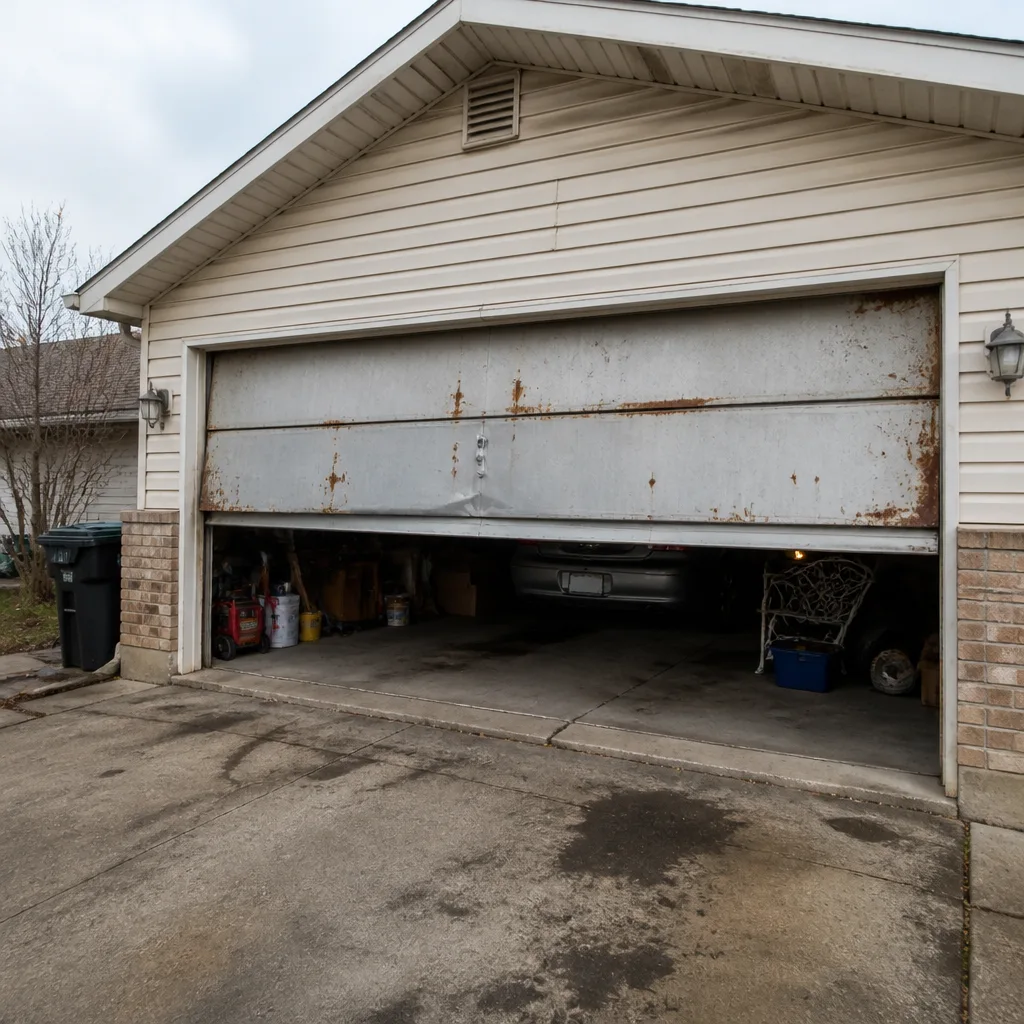 Before
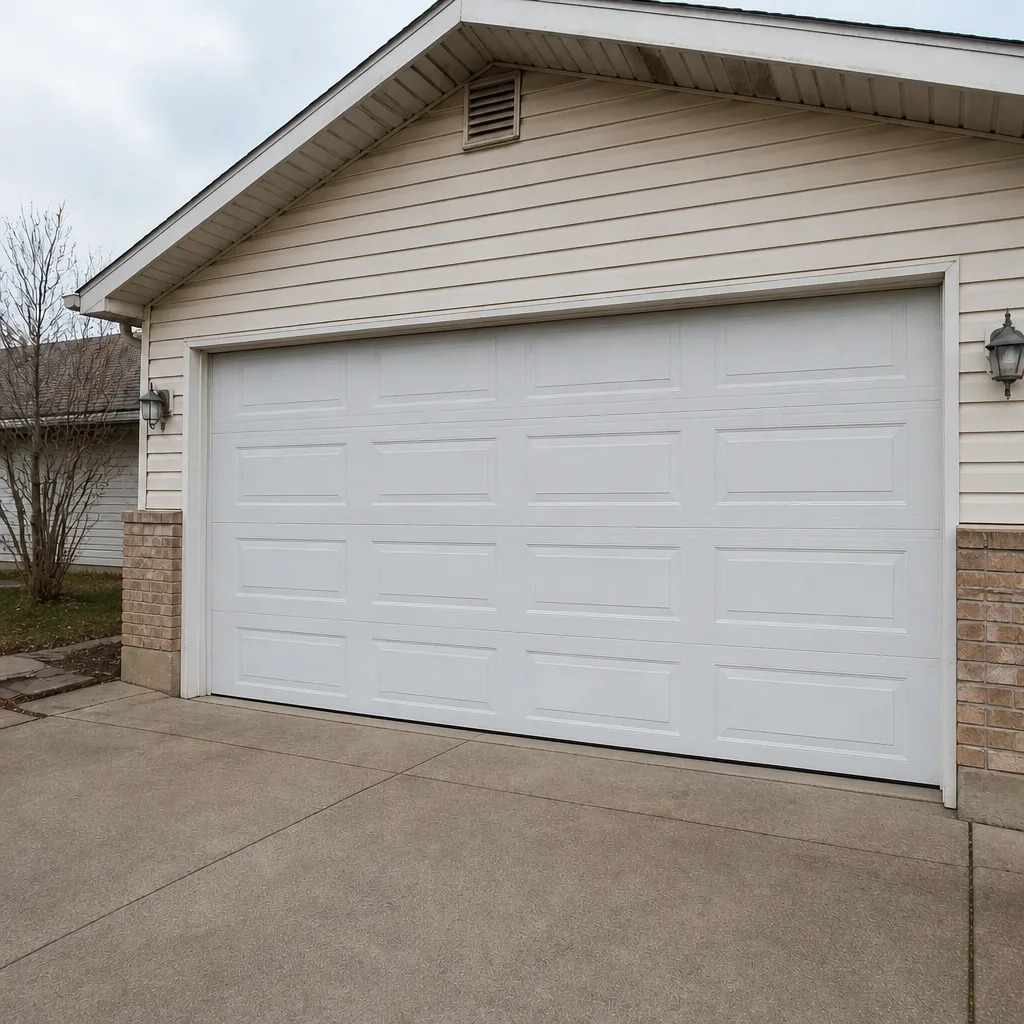 After
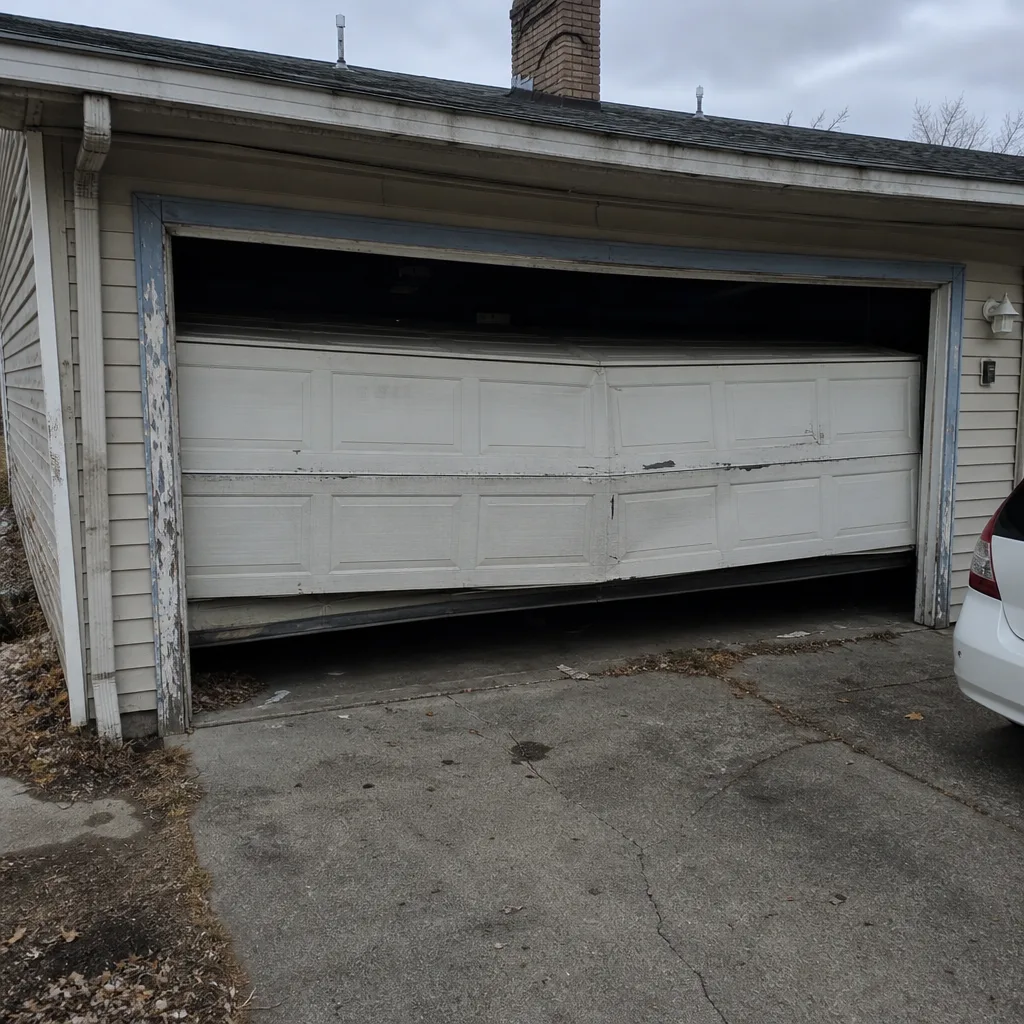 Before
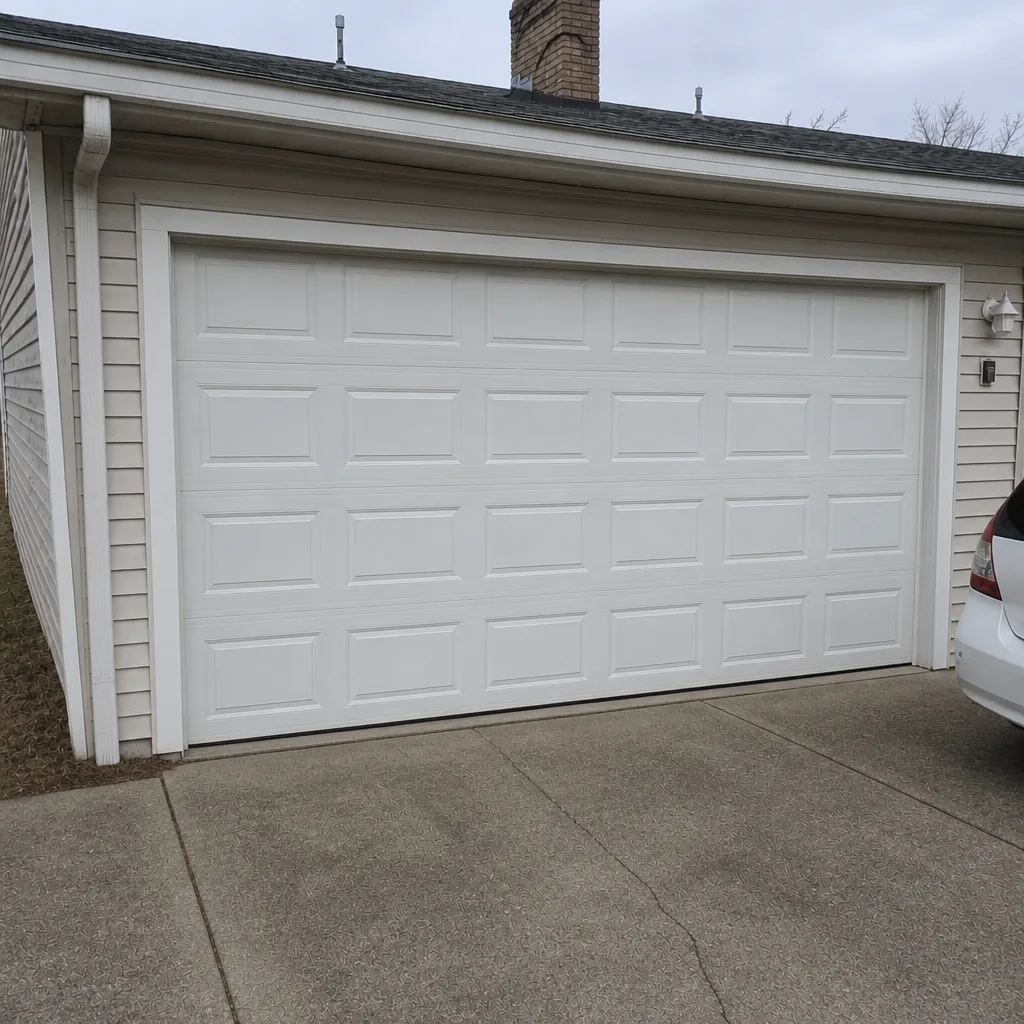 After
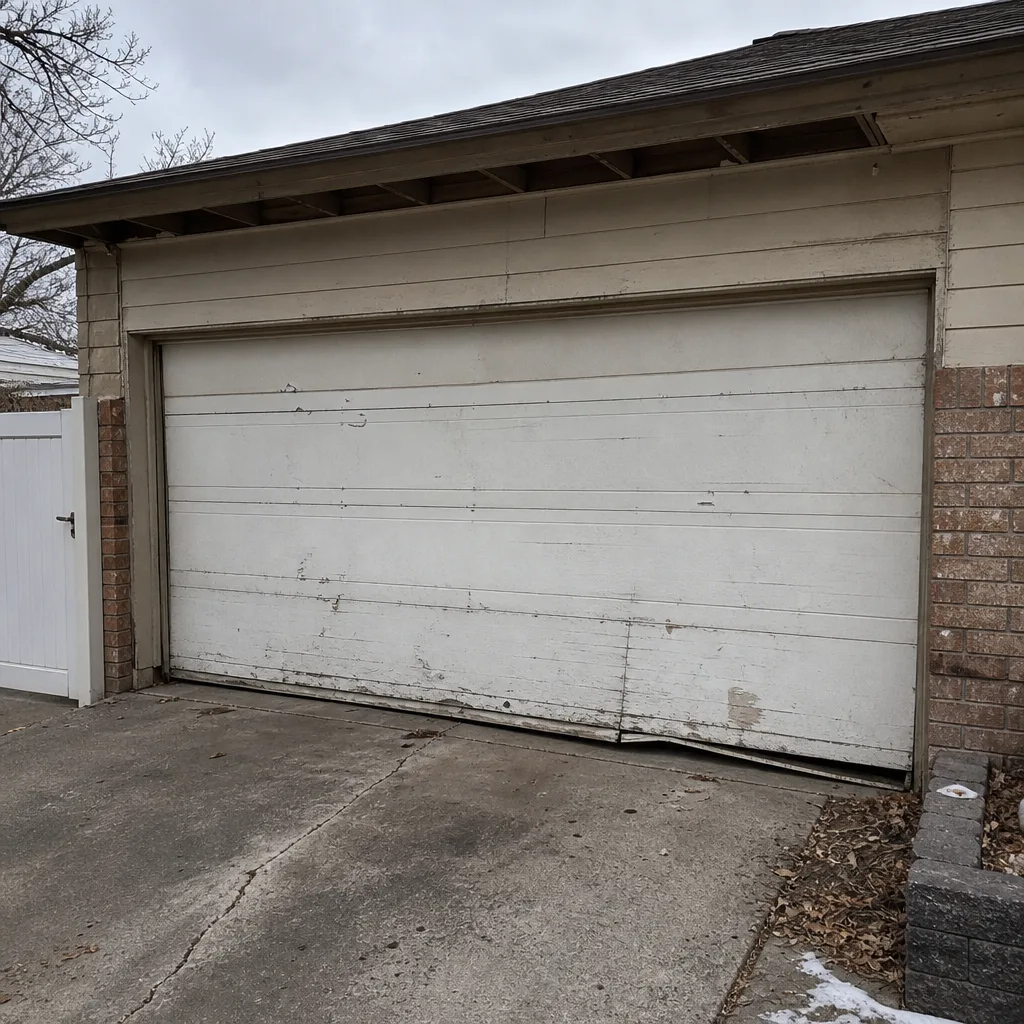 Before
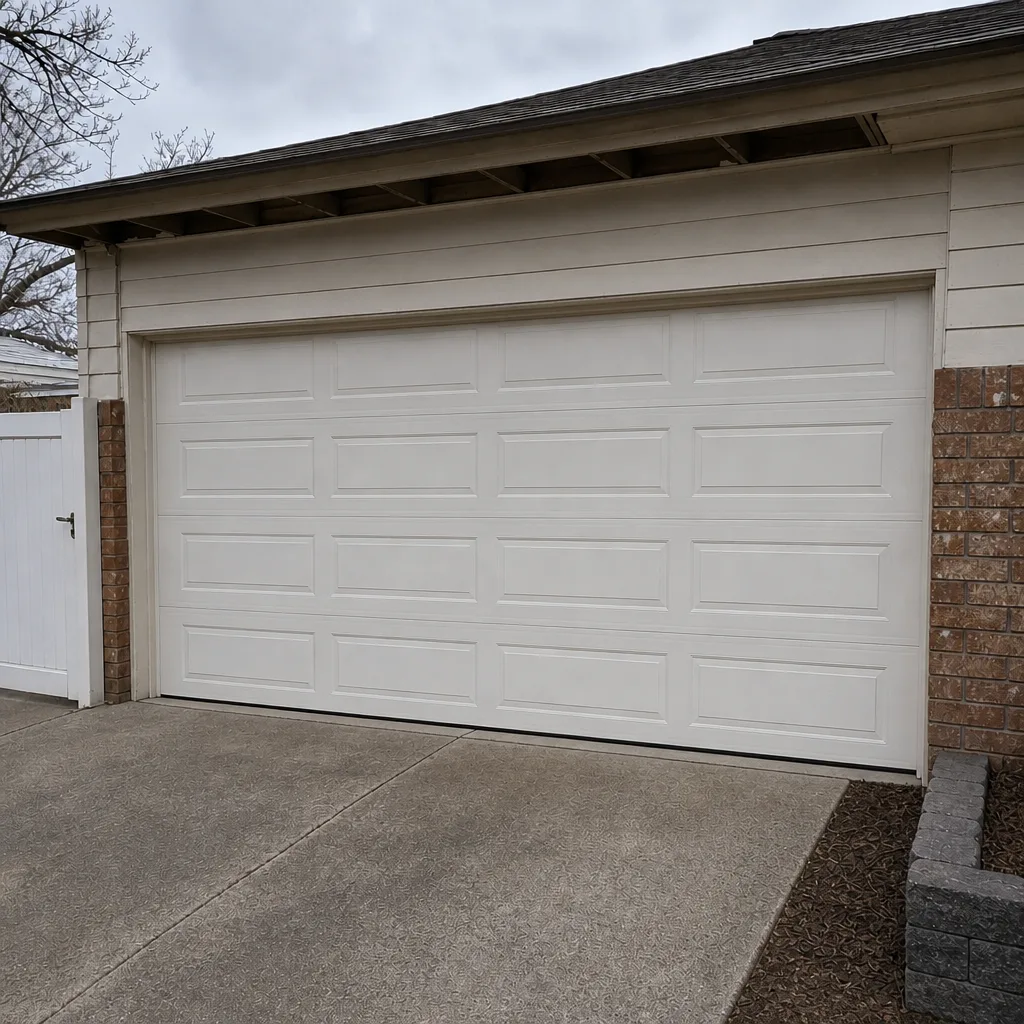 After
When to Call a Professional
Some jobs belong on your schedule. Others belong to a technician. Call a professional for anything involving spring tension, cables, track alignment after an impact, and opener motor or logic board failures. Those parts hold serious stored energy or require a full system diagnosis. If your door is visibly out of balance, if the opener strains or grinds, or if the safety reverse feature won’t engage, those are professional calls too. And when a door in West Valley City suddenly won’t open on a freezing morning, that’s a same-day conversation, not a weekend project.
For a door that’s hard to lift by hand, a spring replacement is best handled by a trained specialist who knows the door’s brand and system – which is exactly what you get with a company that works only on garage doors. Our technicians have up to 9 years of experience, and we work on the brand you already have, whether that’s Genie, Clopay, Amarr, or Wayne Dalton.
If you’d rather not climb the ladder or guess at spring tension, we can come take a look and tell you exactly what needs attention and what can wait. No upsell, no pressure. We answer 24/7, with fast dispatch from 7am to 7pm, Sunday through Friday. Call (844) 834-4689 for a free estimate.
For a door in or around West Valley City, that’s the number to keep close. And when maintenance catches what it should, your next step is often something simpler – a garage door repair that keeps a good door running, or a tune-up on the opener side if the motor is the source of the noise.
Frequently Asked Questions
Every season for a visual inspection, twice a year for lubrication, and once a year for a professional balance and spring check. That’s a reasonable baseline, but the honest answer depends on cycle count. A door used eight or more times a day should be checked more often than one used twice.
The typical torsion spring is rated for roughly 10,000 cycles, and every open and close counts as one cycle. A busy household can burn through that rating faster than expected, which is why counting your actual cycles matters more than assuming a fixed number of years.
Yes, within limits. Lubricating hinges and roller bearings is a safe, useful task. What you shouldn’t do is add lubricant to a spring that’s visibly worn, and you should never touch a cable or attempt to adjust spring tension. When the part is under tension, that’s a professional job.
No. Garage door springs are under extreme tension, and adjusting them incorrectly can cause serious injury. It’s one of the few home maintenance tasks that genuinely belongs to a trained technician. Visual checks are fine; adjustment is not a homeowner job.
Yes, and the early years matter. A new door still needs seasonal inspections and lubrication. The first year often sets the baseline for how the door breaks in, and catching any early alignment issues now prevents them from becoming larger problems later.
Plenty. Seasonal visual inspections, the safety reverse test, lubricating hinges and roller bearings, cleaning the tracks, and keeping your logbook current are all homeowner-safe tasks. Anything involving springs, cables, or track realignment after an impact should go to a professional.
We answer 24/7, and we’re closed on Saturday. A call that comes in then gets booked into the next opening, Sunday through Friday, 7am to 7pm. For a door that won’t open, call (844) 834-4689 and we’ll get it scheduled.
The Bottom Line
A good garage door maintenance schedule is built on cycle counts and seasonal stress points, not arbitrary monthly labels. Count your daily cycles, inspect every season, lubricate before and after winter, and match the lubricant to the part. Prioritize the tasks that extend life – spring checks, roller inspection, hinge lubrication, and the safety reverse test – and treat cleaning and polish as optional. Watch the springs, rollers, and hinges for the wear that shows up weeks before a failure, and you’ll trade emergencies for planned repairs. When something moves outside your comfort zone, that’s the moment to bring in a specialist. We work only on garage doors, so we see the brand and system you have and know how it ages. Call (844) 834-4689 for a free estimate in West Valley City, and we’ll help you build a schedule that fits your door. Looking for the specialists behind this guide? Start with Auburn Garage Door Service. When it’s the opener rather than the door, garage door opener repair covers motor and logic board problems. And a full replacement later on is a different conversation than a repair, so it helps to know which side the work falls on before you plan.
Written by the team at Auburn Garage Door Service.