
Last updated November 16, 2026
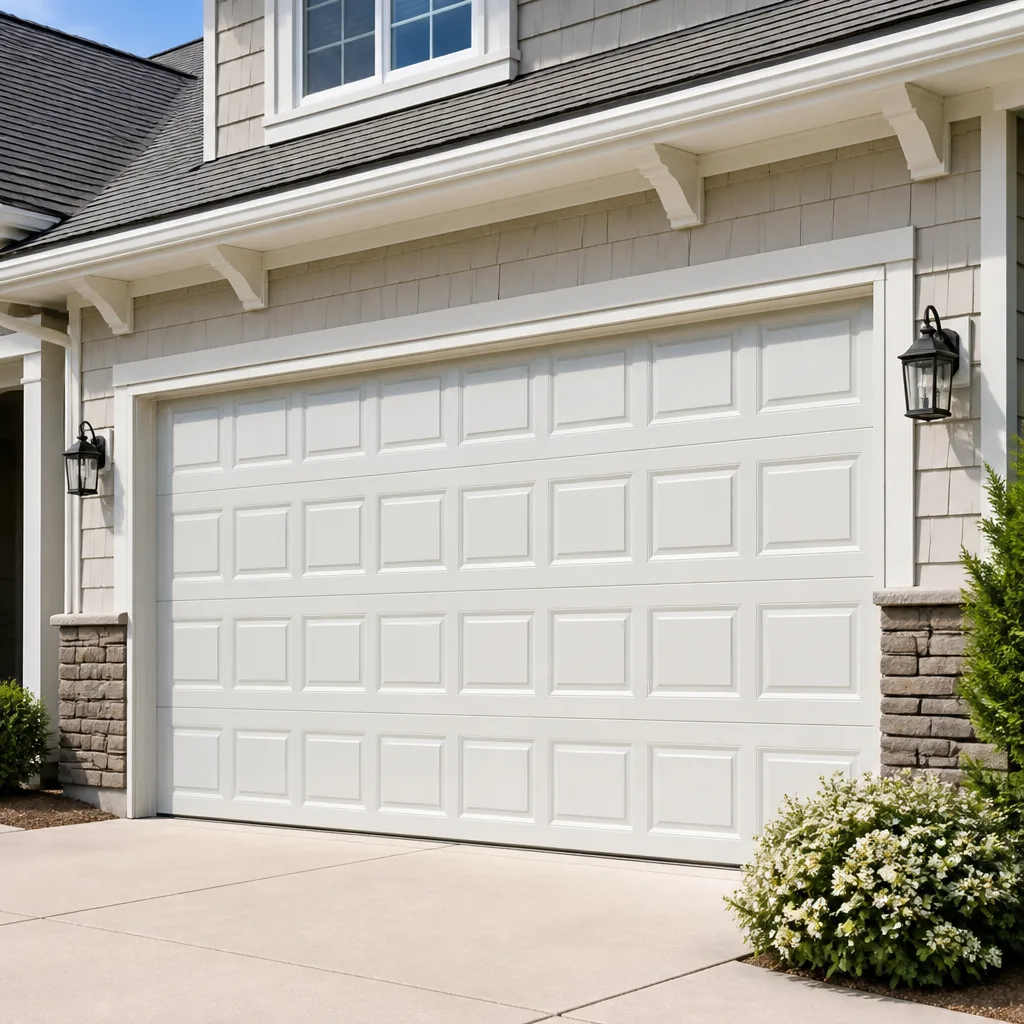 Raised-panel steel
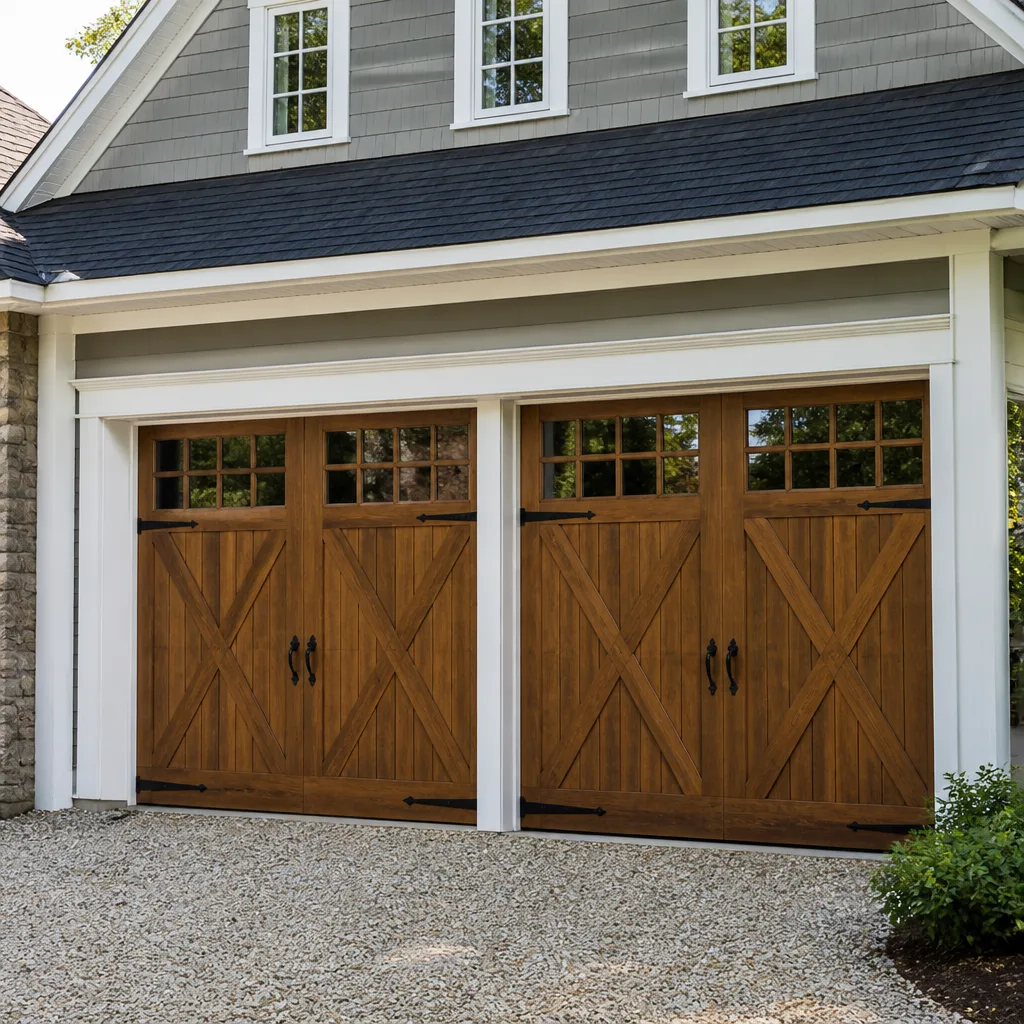 Carriage house
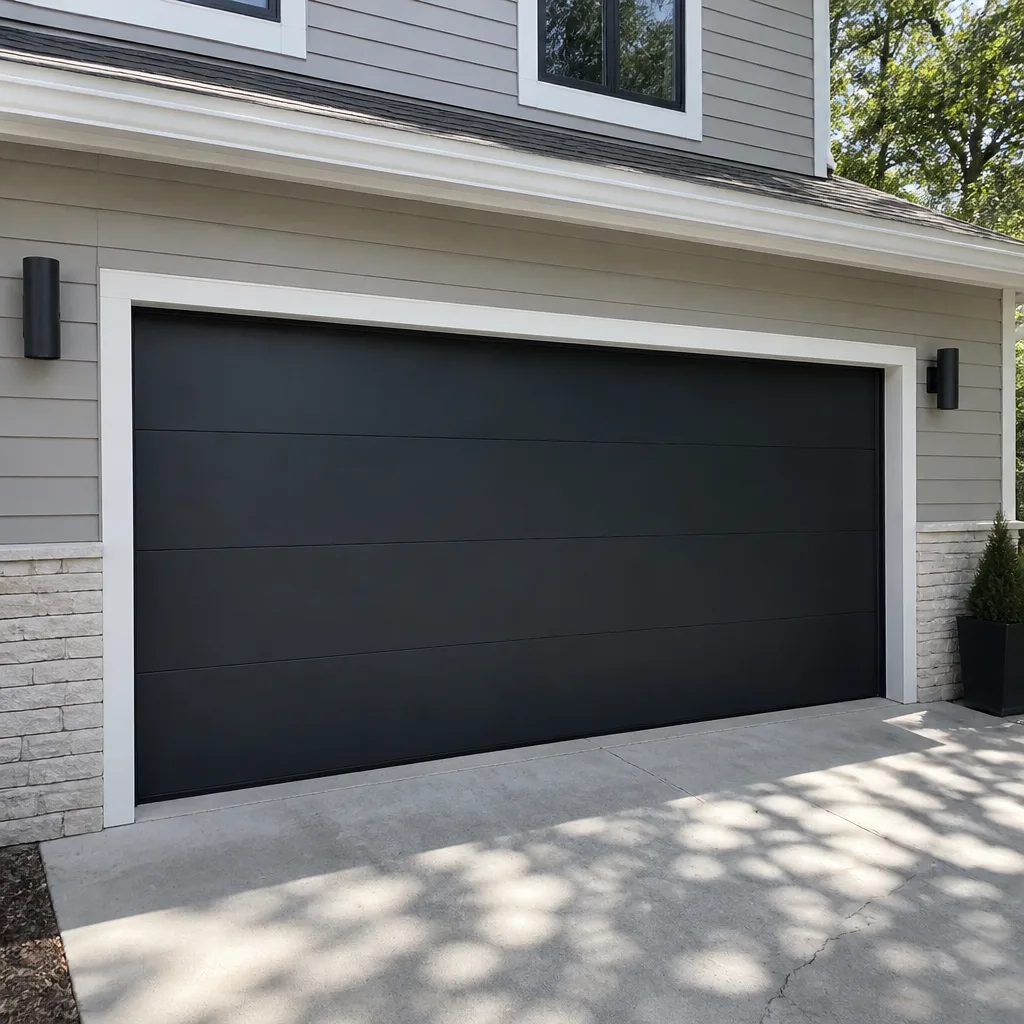 Modern flush
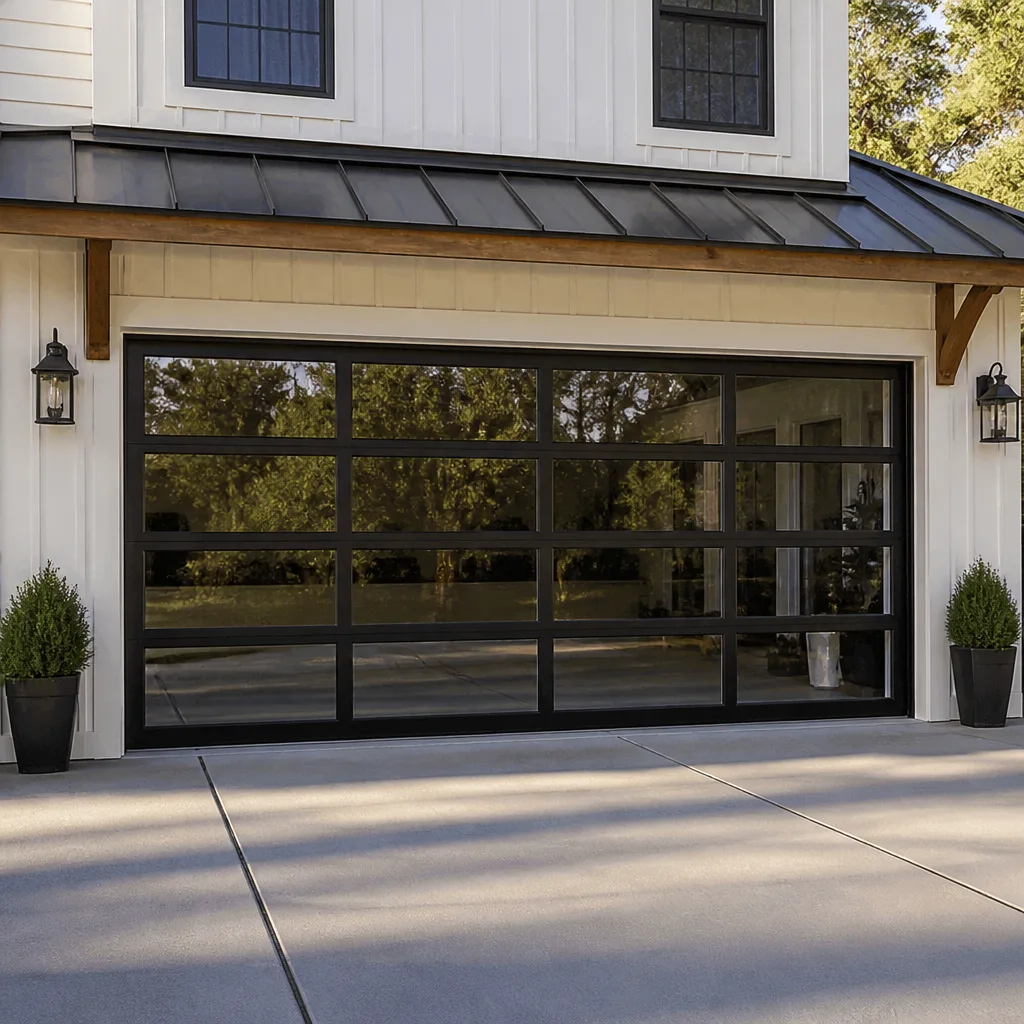 Full-view glass
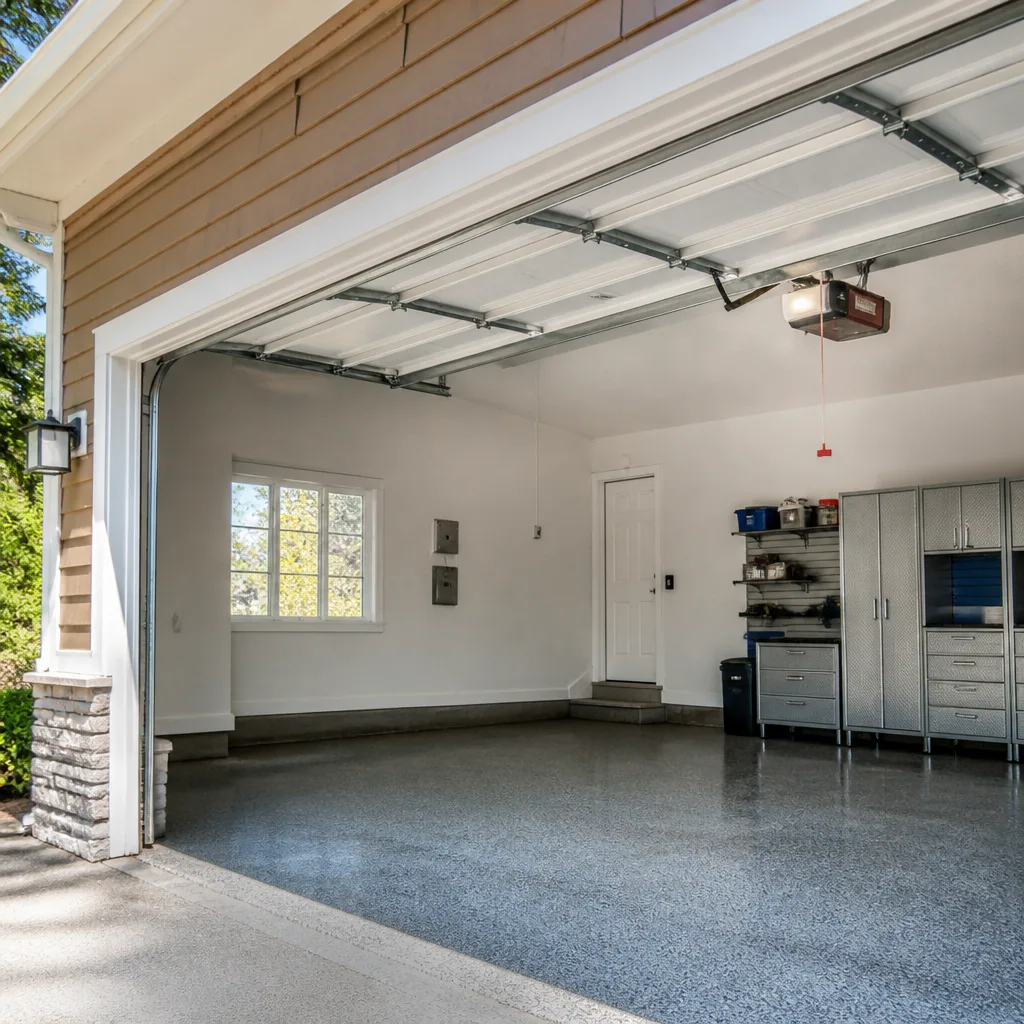 LiftMaster openers
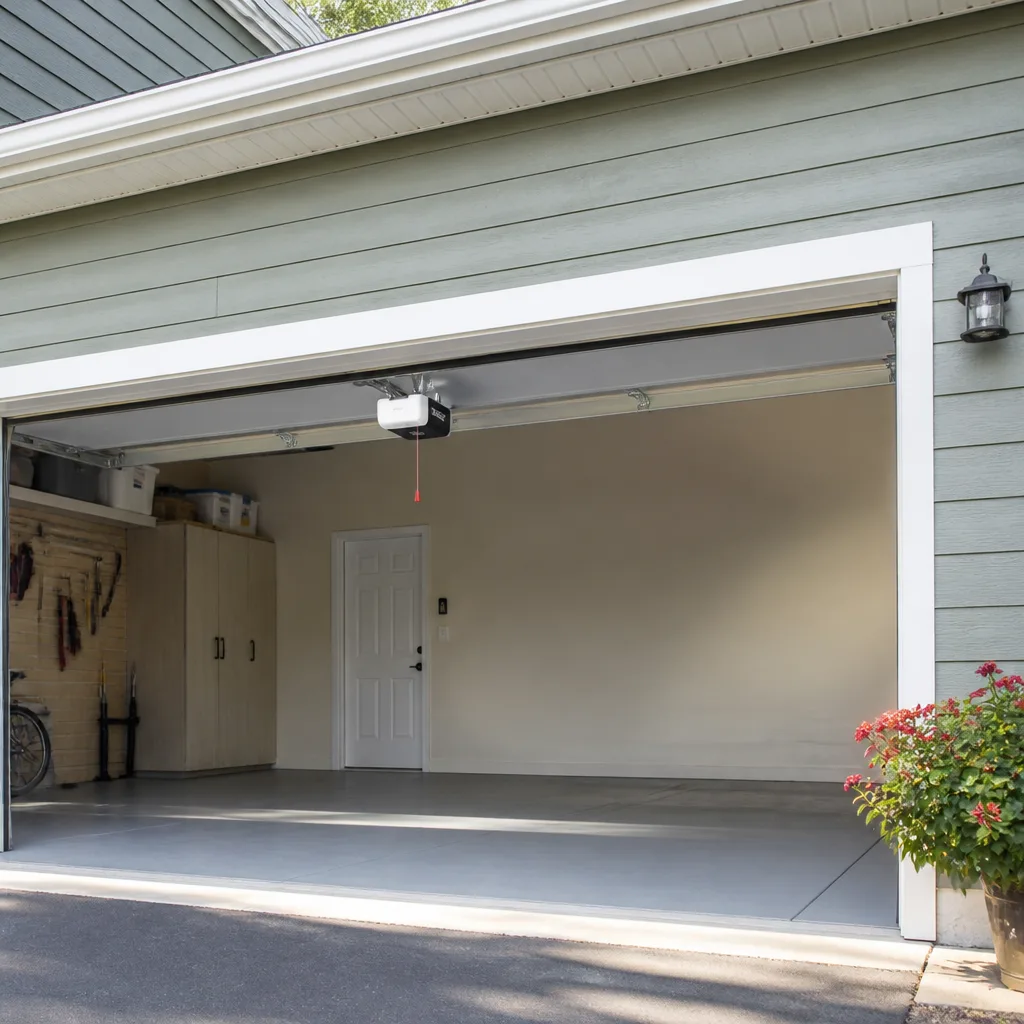 Chamberlain openers
Full 25-point door and opener safety check with every visit - springs, cables, rollers, tracks, and your LiftMaster or Chamberlain opener included
You get a price before we start. It does not change when the pro arrives.
Get your free estimateGarage Door Repair Maintenance Checklist for West Valley City Homeowners
Most garage door maintenance checklists floating around the internet were written for a climate that doesn’t exist here. They assume mild winters, moderate humidity, and a door that lives in a garage attached to a house in some generic suburb. West Valley City is none of those things. Our winters swing hard between freezing nights and warm afternoons, the roads get brined and salted from November through March, and the tap water coming through the municipal supply leaves mineral scale on anything it touches. Those three forces decide which parts on your door fail first, and almost no checklist accounts for them. This guide does. It organizes maintenance by quarterly cadence, tells you what products actually hold up in Utah’s dry cold, and separates the tasks you can handle from the ones that need a trained technician.
Quick Answer
A garage door in West Valley City needs lubrication every three months, a full balance and hardware inspection twice a year, and weather seal replacement roughly every two to three years given local temperature swings and hard water exposure. The single most neglected task is lubricating the torsion spring shaft bearing plates, and skipping it in Utah’s dry winters is the most common path to an expensive repair. Springs, cables, and bottom brackets are not DIY territory; everything else on this checklist is.
Styles & brands we work with
- Raised-panel steel
- Carriage house
- Modern flush
- Full-view glass
- LiftMaster openers
- Chamberlain openers
Table of Contents
- Quarterly Lubrication: The Task Everyone Skips
- Hard Water and Your Bottom Seal: What West Valley City Tap Water Does
- Road Salt, Brine, and Corrosion on Hinges and Bottom Brackets
- What to Listen For vs. What to Look For
- Lubrication vs. Replacement: Knowing the Difference
- The Twice-Yearly Balance and Hardware Inspection
- A Full Seasonal Cadence for West Valley City Doors
- Opener Maintenance Most Homeowners Forget
Quarterly Lubrication: The Task Everyone Skips
If you do one thing on this checklist, lubricate the torsion spring shaft bearing plates. They sit at each end of the shaft that runs above your door, and they carry the entire rotational load of the spring system. When they dry out, the shaft starts to bind, the springs work harder than they should, and the whole assembly wears faster. In most climates that takes years. In West Valley City’s dry winters, with indoor humidity dropping into the teens, it can happen within a single season. Replacing a worn bearing plate is a small job. Replacing a spring that failed early because the shaft was binding is not.
Here’s what to lubricate and how often:
- Bearing plates (both ends of the torsion shaft): every three months. A lithium grease or a white lithium spray works well and won’t gum up in cold weather.
- Hinges: every three months. A few drops of light machine oil at each pivot point.
- Rollers: every three months. Nylon rollers need almost nothing; steel rollers benefit from a light coat.
- Tracks: do not lubricate. Tracks should stay clean and dry. Grease attracts dust and grit, which is worse than a dry track.
- Springs: a light wipe of oil on the coils is fine, but don’t soak them. Lubricant on a torsion spring is mainly about reducing friction noise, not preventing failure.
Use a silicone-based or white lithium product in winter. Standard multi-purpose grease gets thick when the temperature drops below freezing, which defeats the purpose. If your door is a LiftMaster or Chamberlain system with a belt drive, keep grease well away from the belt itself.
Hard Water and Your Bottom Seal: What West Valley City Tap Water Does
The water coming through West Valley City’s municipal supply carries dissolved minerals that leave deposits wherever it evaporates. Your garage floor is a prime collection point. Rain and snowmelt run off the door, pool at the bottom seal, and dry there, and each cycle leaves a thin film of scale behind. Over a couple of winters that film works its way into the rubber, stiffens it, and starts to crack it. A stiff bottom seal stops conforming to the floor, which lets cold air, water, and pests in.
What you can do about it:
- Wipe the bottom seal down seasonally. A rag and a little white vinegar cut mineral deposits before they harden into the rubber.
- Keep the garage floor drained. If water pools at the threshold after a storm, sweep it out rather than letting it sit against the seal.
- Check the seal for stiffness each fall. Press it with your thumb. If it doesn’t spring back, it’s already degrading.
- Replace the seal every two to three years in this climate, sooner if you park outside and pull in wet.
A hardened, cracked seal is one of the most common things we find when we’re called out for a door that’s letting in cold air or making noise on the way down. It’s an inexpensive part. Ignoring it isn’t, because a failing seal lets moisture reach the bottom bracket and the bottom section of the door, and that’s where corrosion starts.
Road Salt, Brine, and Corrosion on Hinges and Bottom Brackets
West Valley City sits close to major roads that get brined and salted through the winter. Vehicles pull in with residue on their tires and undercarriages, and that residue ends up on the garage floor, on the bottom section of your door, and on the lowest hinges and brackets. Salt and brine are corrosive to galvanized steel once the coating is compromised, and the bottom of the door is where the coating takes the most abuse. Homeowners rarely think about this because the corrosion starts on the inside face, where you don’t see it.
What to watch for and what to do:
- White or rust-colored powder on hinges and brackets: that’s the first sign. Wipe it off and apply a light oil coat.
- Stiff hinges: salt residue dries in the pivot and grinds the pin. Clean with a wire brush, then oil.
- Bottom bracket corrosion: this is the part that holds the cable. Surface rust is manageable; deep pitting is not. Have it inspected by a technician if you see heavy rust.
- Seasonal rinse: hosing down the bottom two feet of the door and the floor a couple of times through winter slows the buildup considerably.
If your door faces a street that gets plowed and brined, expect to replace bottom hinges more often than a door on a quiet interior street. That’s just the local math. It’s worth knowing before a hinge seizes and starts pulling on the door panel.
What to Listen For vs. What to Look For
A visual inspection only catches what’s already visible. Sound catches problems earlier. A garage door that’s starting to fail almost always announces it before it shows it, and homeowners who learn the difference save themselves a lot of repair money. When you run the door, stand still and listen instead of watching.
What to listen for:
- A grinding or scraping sound: usually dry bearing plates, dry rollers, or a track that’s out of alignment.
- A popping or snapping sound: often a cable starting to fray or a hinge pulling loose from the panel.
- A rattling or banging: loose hardware, a worn roller, or a door that’s out of balance.
- A rhythmic thump: a bent track or a warped panel dragging at one point in the travel.
- A high-pitched squeal: metal-on-metal contact, most often a dry torsion shaft.
What to look for: gaps between the door and the floor, rust streaks, sagging panels, a door that doesn’t sit level when closed, and fraying at the cable ends. None of these are subtle once you know to check. The trick is to do both, and to do them on the same inspection so you can connect a sound to a cause. A grinding noise with visible rust on a bearing plate tells you exactly what’s happening. A grinding noise alone doesn’t.
Lubrication vs. Replacement: Knowing the Difference
This is where homeowners cause themselves the most damage. Grease applied to a part that’s already past saving doesn’t fix it; it hides the failure until it becomes a bigger one. The general rule: if a part is stiff but moves freely once cleaned, it needs lubrication. If it’s worn, cracked, pitted, or loose, it needs replacement. Grease won’t bring back metal that’s already gone.
Here’s how to tell the difference on the parts that matter:
- Hinges: stiff but clean = lubricate. Rusted through, pin loose, or panel pulling away = replace.
- Rollers: squeaking but rolling smoothly = lubricate. Flat spots, wobble, or chunks missing = replace.
- Bearing plates: dry and squealing = lubricate. Grinding even after lubrication, or visible wear at the shaft = replace.
- Bottom seal: slightly dirty = clean. Cracked, stiff, or separated = replace.
- Cables: never lubricate as a fix. Fraying or kinked cables get replaced, and that’s a technician job.
- Springs: never lubricate to fix a noise if the spring is stretched or has lost tension. That’s a replacement call.
If you’re not sure whether a part is stiff or worn, that’s the moment to have a technician look at it. It’s a cheap assessment and it saves you from the cycle of greasing something that’s already failing. Our garage door repair work is built around exactly this call, and the estimate is free before any work starts.
The Twice-Yearly Balance and Hardware Inspection
Twice a year, ideally in spring and fall, run a full balance and hardware check. This is the deeper inspection that catches what quarterly lubrication misses. It takes about fifteen minutes and covers the parts that threaten both function and safety.
- Disconnect the opener. Pull the release cord so the door is in manual mode.
- Test the balance. Lift the door to about halfway and let go. It should stay put. If it drops or rises on its own, the springs are out of balance.
- Check the door alignment. Look at the gap along the floor. An uneven gap usually means a track or spring issue.
- Inspect the hardware. Look at every hinge, bracket, and roller for looseness, rust, or wear.
- Check the tracks. Run your hand along the inside edge. You’re feeling for dents, bends, or debris.
- Test the safety reverse. Put a small object under the door and close it. It should reverse on contact.
- Test the photo-eye sensors. Block the beam and confirm the door won’t close.
- Reconnect and run the door. Watch and listen to the full cycle.
Safety note: never adjust springs, cables, or bottom brackets yourself. Torsion springs are under high tension and can cause serious injury if released incorrectly. The balance test above is safe; adjusting the spring to fix an imbalance is not. That’s technician work, every time.
A Full Seasonal Cadence for West Valley City Doors
Grouping tasks by season is the most practical way to stay on top of maintenance here, because each season brings a different stress. Winter is cold and dry. Spring is wet and full of runoff. Summer is hot and dusty. Fall is the transition where everything needs to be ready before the cold hits. Here’s the cadence we recommend for a West Valley City door.
Spring (March – May): Full balance and hardware inspection. Clean the bottom seal and tracks to remove winter salt residue. Check for corrosion on the lowest hinges and brackets. Test the safety reverse and photo-eye sensors.
Summer (June – August): Lubricate bearing plates, hinges, rollers. Clean the tracks with a dry cloth, no grease. Inspect the door face and panels for heat-related warping or bubbling.
Fall (September – November): Second full balance and hardware inspection. Re-lubricate with a cold-weather product (silicone or white lithium, not heavy grease). Check the bottom seal for stiffness before the freezing nights arrive. Clear the tracks of debris and check the photo-eye sensors for spider webs and dust, which are common this time of year.
Winter (December – February): Monthly visual check of hinges and brackets for salt corrosion. Wipe the bottom seal occasionally. Listen carefully at each door cycle for new sounds. This is the season when dry bearing plates announce themselves, and it’s the season when skipping lubrication is most expensive.
If you live near a road that gets heavy winter brine, add one extra rinse of the door’s bottom section to each winter month. It’s a small habit that adds years to the lowest hardware. If you want a deeper reference on door problems and fixes, our guide to Auburn Garage Door Service covers the full range of repair and installation work we handle.
Opener Maintenance Most Homeowners Forget
The opener doesn’t get much attention until it fails, but a few small habits keep it working longer. The biggest is the force setting. Most openers have a force adjustment that’s set too high out of the box, which means the door is closing with more pressure than it should. That’s hard on the door, hard on the opener, and it masks safety reverse failures. Check the force setting each fall and lower it to the minimum that reliably closes the door.
Other opener tasks:
- Test the safety reverse every month. It’s the single most important safety feature on the opener and it can fail silently.
- Keep the photo-eye lenses clean. Dust and cobwebs are common in garages, and dirty lenses are a frequent cause of a door that won’t close.
- Check the rail and belt or chain. On a belt-drive LiftMaster or Chamberlain, a light wipe of the rail keeps it smooth. On a chain drive, a small amount of chain lubricant is fine.
- Watch the battery backup. Modern openers often have a backup battery. Test it once a year by unplugging the opener and running the door.
If your opener is a legacy or budget model and parts are getting hard to find, that’s a conversation worth having before something fails. Our garage door opener repair covers smart-home-compatible lines like LiftMaster and Chamberlain as well as older mechanical units, so a failing opener doesn’t automatically mean a replacement.
Common Mistakes to Avoid
- Greasing the tracks. Tracks should stay clean and dry. Grease attracts grit, which grinds the rollers and slows the door. Wipe them with a dry cloth only.
- Using heavy grease in winter. Standard multi-purpose grease thickens in cold weather and defeats the point of lubricating. Switch to silicone or white lithium before the first freeze.
- Ignoring the bearing plates. They’re the most skipped task on any door, and the most expensive one to neglect in West Valley City’s dry winters. Four small lubrication points every three months prevent a very expensive failure.
- Lubricating a worn part instead of replacing it. Grease on a cracked hinge or a rusted-through bracket hides the problem and lets it fail under load. If it’s worn, replace it.
- Adjusting the torsion springs yourself. This is the one task that’s never DIY. The springs are under high tension and a wrong move is a serious injury risk.
- Letting salt residue sit on the bottom brackets. West Valley City winters leave a corrosive film on the lowest hardware. A seasonal rinse and a light oil coat add years of life.
- Skipping the safety reverse test. It’s the simplest check on the whole opener and the one most often overlooked. Test it monthly; it can fail without any warning sound.
See the difference
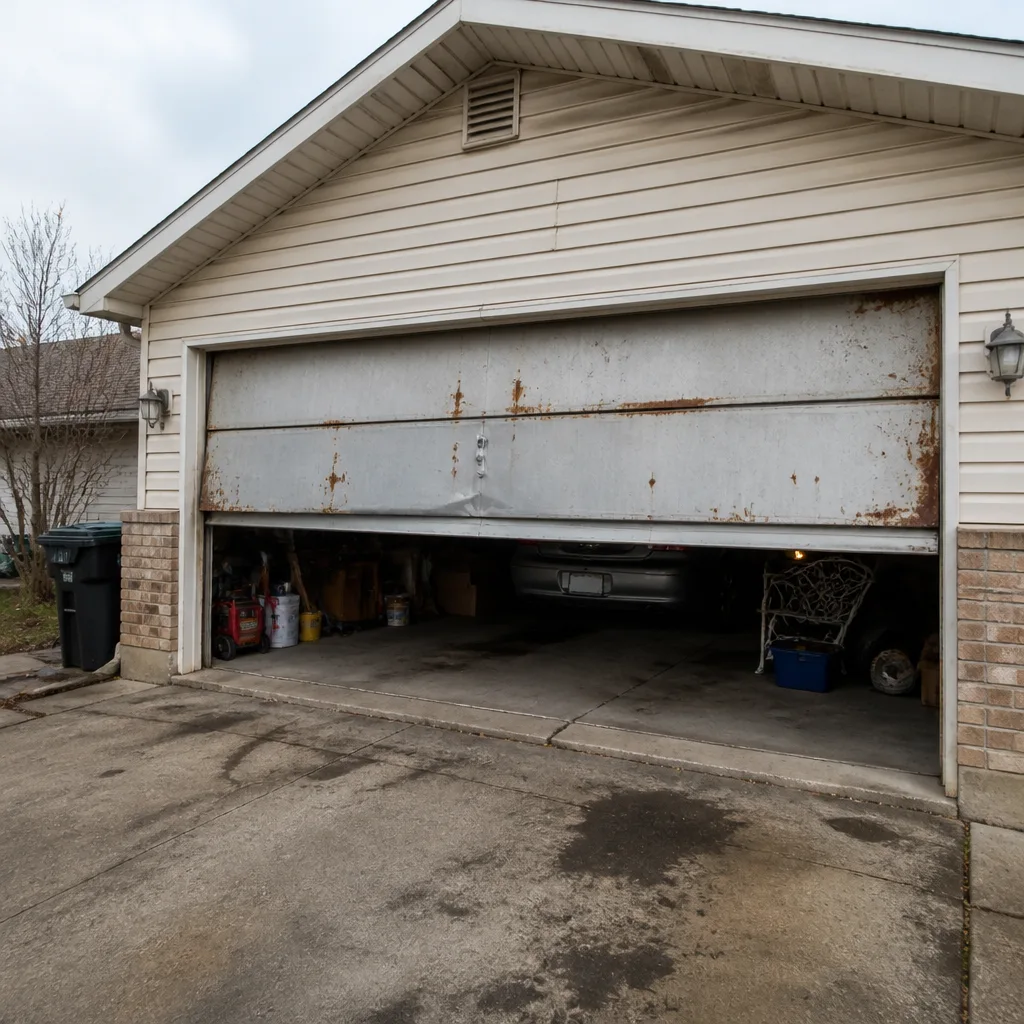 Before
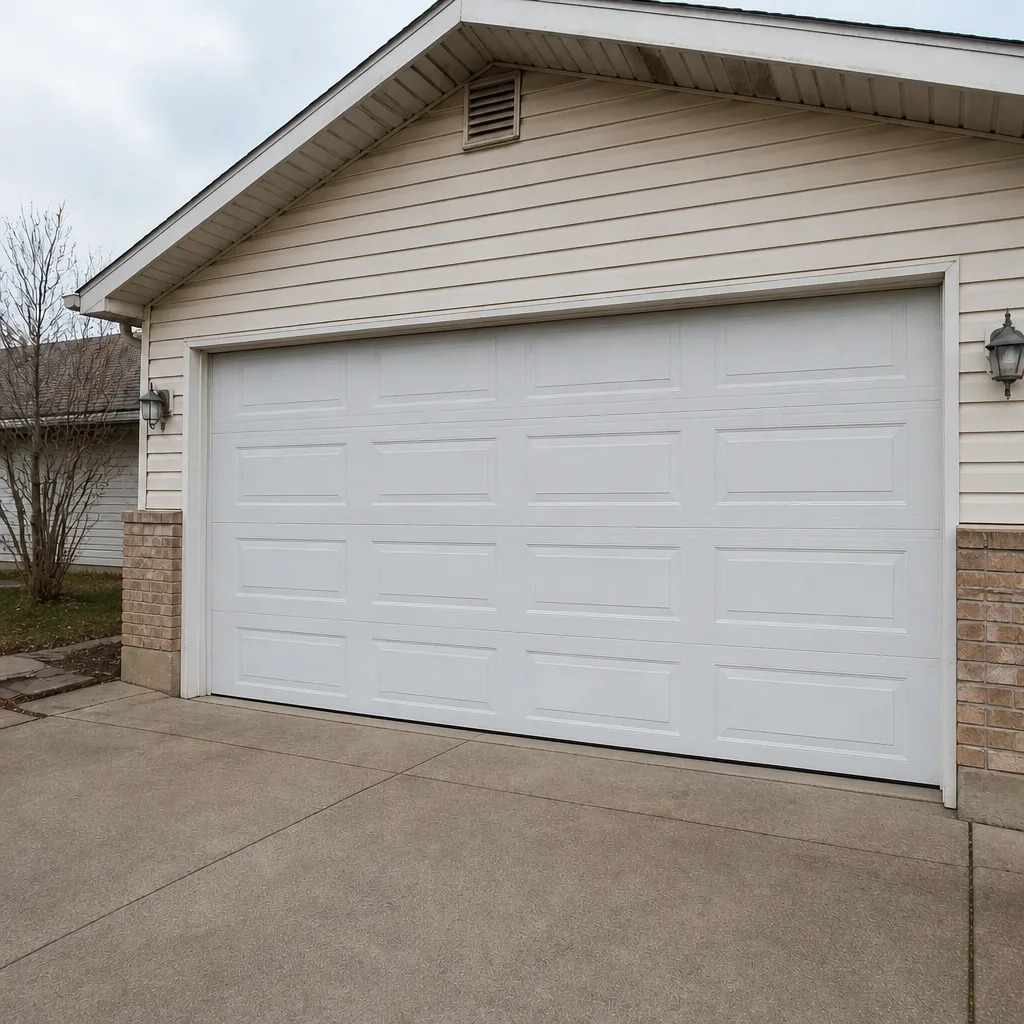 After
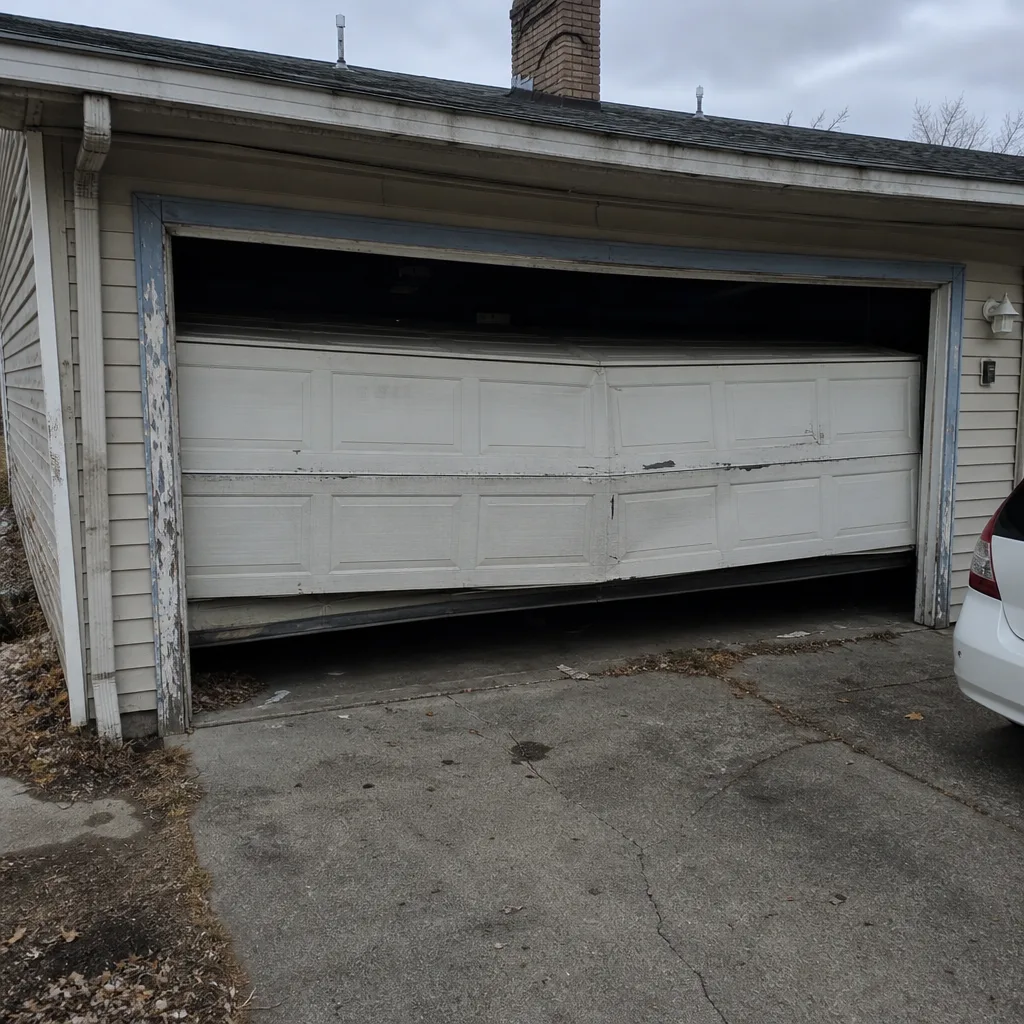 Before
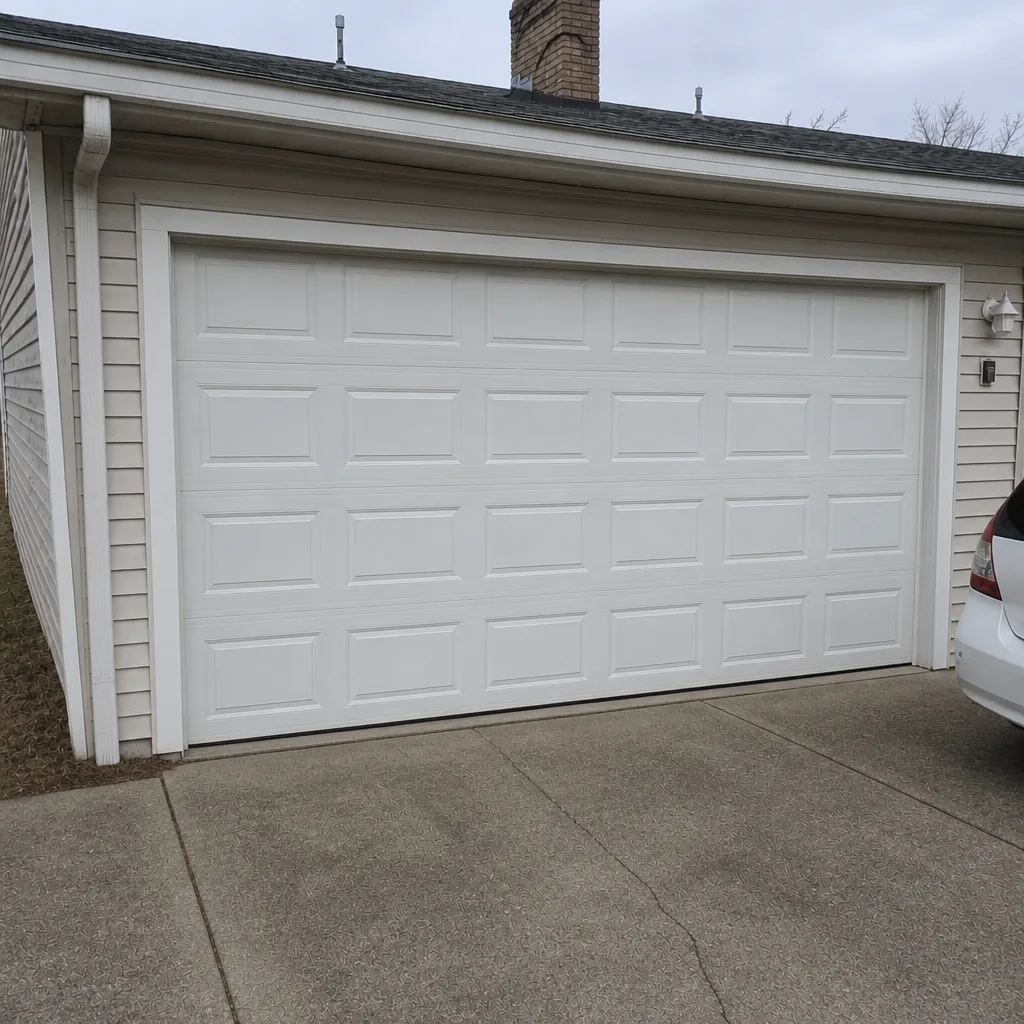 After
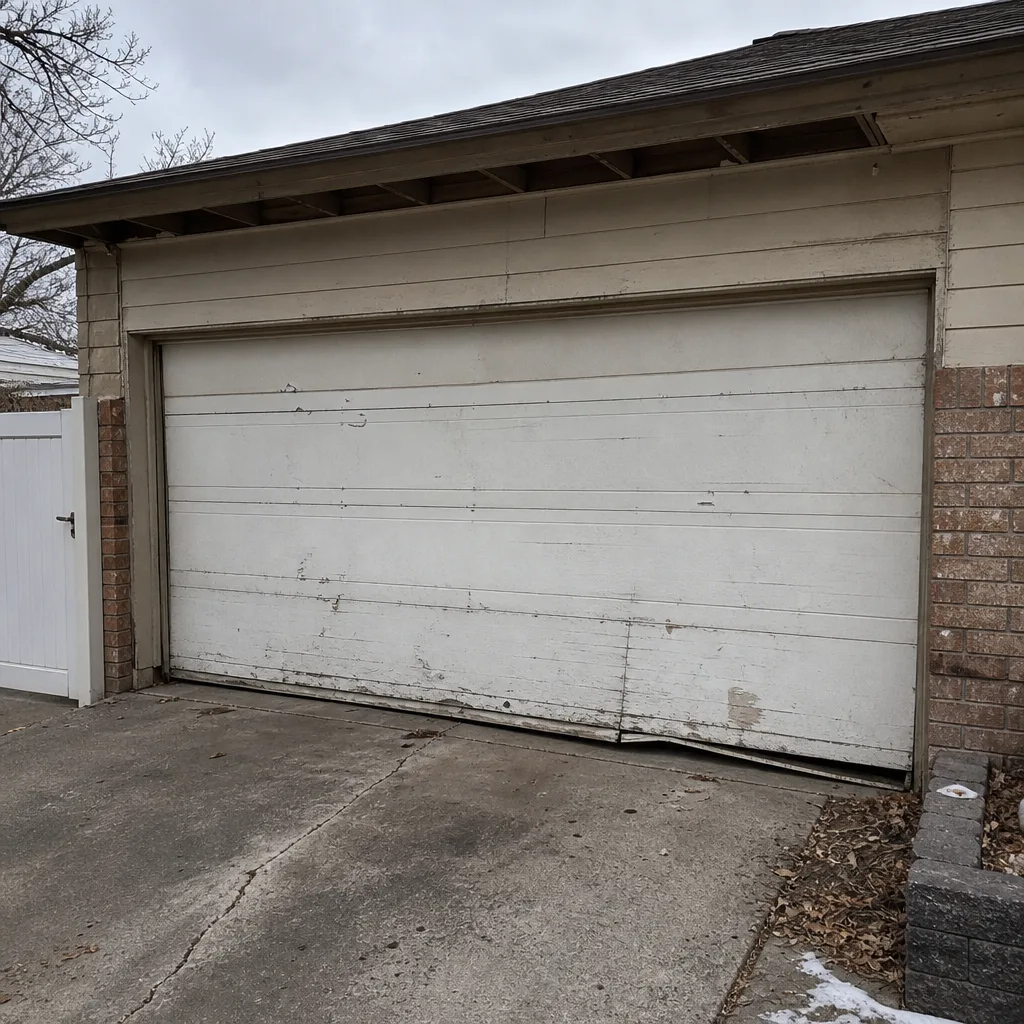 Before
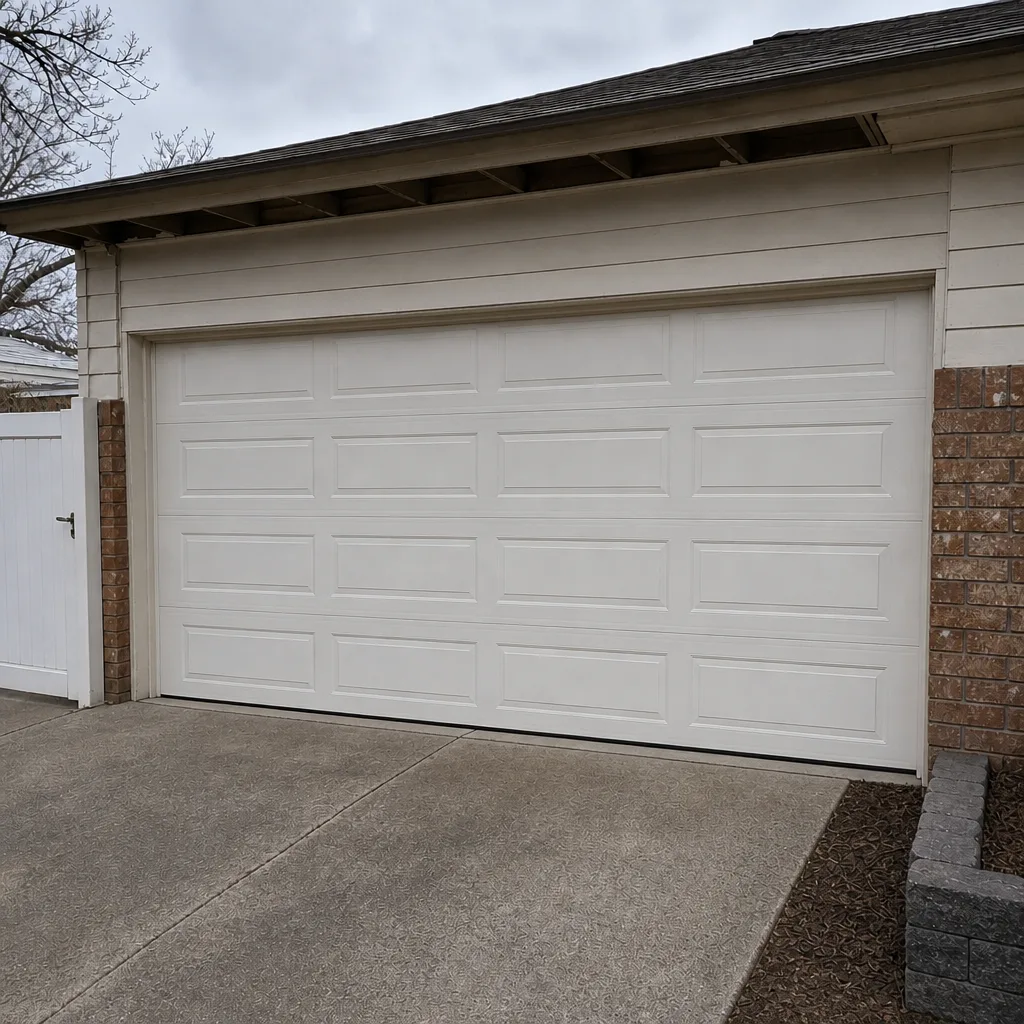 After
When to Call a Professional
Some maintenance is yours to do. Some belongs to a trained technician, and knowing the line is what keeps the job simple and safe. Call a professional if the door is out of balance after the disconnect test, if you hear grinding after cleaning and lubricating, if you see fraying or kinking on a cable, if a spring has lost tension or looks stretched, or if any part of the bottom bracket is heavily rusted. Springs and cables are the two parts that most often turn a small job into a serious one when a homeowner tries to handle them directly. If your door won’t run at all, or the opener has failed, that’s also a call.
Auburn Garage Door Service offers free estimates in West Valley City. Call (844) 834-4689. We answer 24/7. Fast dispatch from 7am to 7pm, Sunday through Friday. Every technician arrives knowing the system on your door, whether it’s a Clopay panel, a Genie opener, or a LiftMaster smart system, because garage doors are the only thing we work on.
Frequently Asked Questions
Every three months, with the bearing plates being the priority. West Valley City’s dry winters drain humidity fast, and a torsion shaft that’s dry in November will start binding by January. A silicone or white lithium product applied quarterly keeps the shaft, hinges, and rollers moving smoothly through the cold months. Call (844) 834-4689 if you’re not sure which parts need attention; estimates are free.
Hard water scale and temperature swings are the main causes here. West Valley City’s municipal water leaves mineral deposits on the bottom seal each time runoff dries, and those deposits stiffen the rubber until it cracks. Wiping the seal with diluted white vinegar seasonally and replacing it every two to three years prevents the cycle. A cracked seal lets moisture reach the bottom bracket, which is where corrosion does real damage. Call (844) 834-4689 if the seal is already separated from the door.
Grinding usually points to dry bearing plates, dry rollers, or a track out of alignment. In West Valley City, dry bearing plates are the most common cause during winter because the low indoor humidity dries out grease fast. Lubricate first, and if the grind persists, the part is worn and needs replacement. Grinding that continues after lubrication is a call to (844) 834-4689 for a proper inspection.
You can wipe a light coat of oil on the visible coils of a torsion spring, but you should never adjust, tension, or attempt to remove one. Those springs are under high tension and a wrong move can cause serious injury. If the spring looks stretched, has lost tension, or is making new noises, that’s a technician job. Call (844) 834-4689 and we’ll take a look before anything fails.
If it’s stiff but moves freely once cleaned, lubricate it. If it’s cracked, rusted through, pitted, or loose, replace it. Grease can’t bring back metal that’s already gone, and applying it to a failing part only hides the problem until it fails under load. If you’re not sure which camp a part falls into, that’s the moment to have it assessed. Call (844) 834-4689 for a free estimate.
Yes, and it follows the seasons. Spring is the full balance and hardware inspection. Summer is lubrication. Fall is the second inspection with a cold-weather lubricant. Winter is the monthly corrosion check on the bottom of the door, because road brine and salt residue are harshest then. Our West Valley City team works to this cadence because the local climate demands it. Call (844) 834-4689 if you’d like us to check how your door is holding up.
The Bottom Line
Garage door maintenance in West Valley City comes down to three local forces: dry winters that dry out bearing plates, hard water that stiffens bottom seals, and road brine that corrodes the lowest hardware. Quarterly lubrication catches the first. Seasonal seal checks catch the second. A winter rinse and bottom-hinge inspection catch the third. The twice-yearly balance and hardware inspection catches everything else, and it keeps the parts that fail silently from doing real damage. Follow the seasonal cadence and you’ll keep the door safe and quiet. Skip the bearing plates and you’ll meet us on a repair call instead of an estimate. Call (844) 834-4689 for a free estimate if you’d rather have a specialist walk it with you.
Written by the team at Auburn Garage Door Service.